There’s a harsh truth we sometimes forget when facing an enemy. It’s a painful lesson, often learned the hard way, that arrogance or a false sense of security can have devastating consequences. The adversary isn't static; they learn, they adapt, and they will try to catch you off guard.
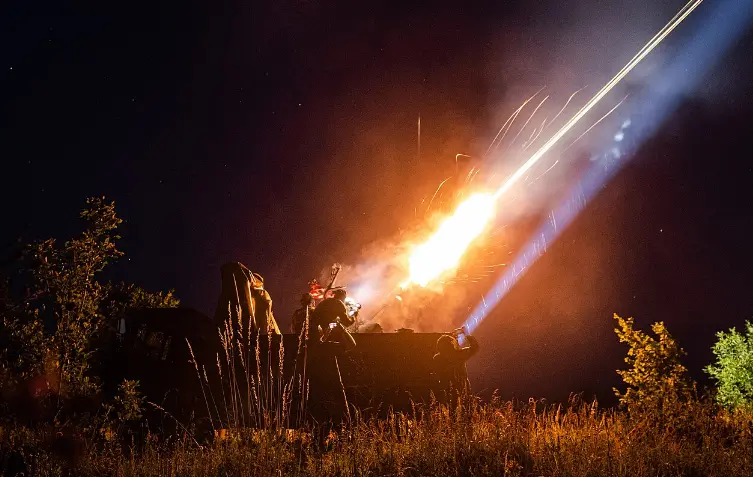
I lived in a place where the nights became a symphony of anxious waiting and then sudden, explosive action. Every evening, the air would fill with the unsettling buzz of "mopeds" – those Shahed drones that crawl across the sky. And every evening, we’d listen for the sharp retorts of our air defense systems, the PPO, working tirelessly to intercept them. For a couple of nights, a clear pattern emerged. The drones consistently approached from the north. Our brave defenders, day after day, would track them. On the first night, one was successfully brought down. The next night, another fell from the sky. There was a palpable sense of relief, a growing confidence that we understood their game. We saw their approach, we heard the successful intercepts, and a routine seemed to settle in. It was easy to fall into a dangerous rhythm.
Then came the third night. Perhaps the constant success, the predictability of the northern threat, had led to a subconscious relaxation. We thought we knew their moves. The PPO crews were likely set up, expecting the usual flight path. But this time, there was no familiar drone from the north. The night was eerily quiet for a while. And then, without warning, a different buzz, closer, more menacing. This Shahed, cunningly, silently, arrived from the South. It wasn't just a random hit. It struck with terrifying precision, slamming directly into the very spot where our PPO guys had been, right where their vehicle was. We don't know their fate. The silence that followed was heavy, colder than any winter night. It was a stark, brutal reminder that the enemy watches, learns, and will exploit any moment of complacency. You simply cannot afford to underestimate them.


