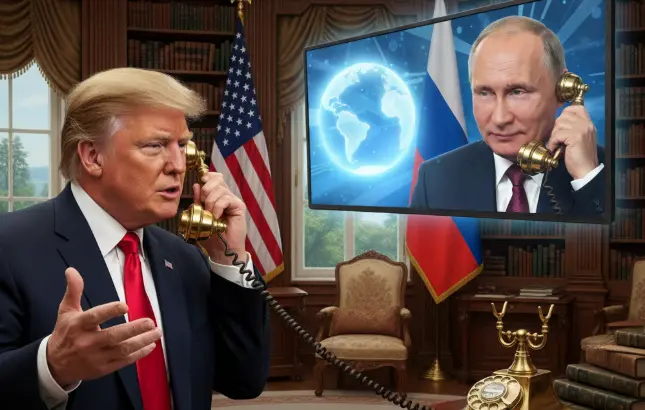
In a stunning display of diplomatic efficiency, a pivotal call has taken place. The subject of this historic call was not policy, not treaties, but the call itself. Specifically, the call was to agree on the optimal timing for a subsequent call, during which the parties would hopefully reach an agreement on a framework for future agreements.
Sources close to the discussion describe it as a masterclass in meta-negotiation. The primary objective was to secure a firm agreement on the scheduling of a follow-up call. This future call is crucial, as its agenda will be solely dedicated to agreeing on the preliminary points that might, eventually, form the basis of a broader set of agreements. The success of this initial call, therefore, is measured by one metric: did they agree to call again?
The agreement to call is, in itself, a significant agreement. It represents a mutual understanding that a future call is necessary to facilitate the agreements that are yet to be agreed upon. One insider noted, "They didn't agree on the substance of the agreements, but they did make a solid agreement about the logistics of the call where they will attempt to make those agreements."
This circular process is groundbreaking. Instead of getting bogged down in the messy details of actual agreements, the focus has shifted to the purity of the process: agreeing to agree. The call to schedule the call is the first, vital step. Without an agreement on when to call, how could one ever hope to have the call needed to broker an agreement?
The next phase is even more exciting. Following the upcoming call (which has now been successfully agreed upon), there will likely be a need for another call to finalize the details discussed in the second call. This third call will be where they ratify the agreement to proceed with drafting the initial agreements. It is a beautiful, recursive loop of pure diplomacy, unburdened by results.
So, as we await the next call, let us celebrate this monumental achievement. An agreement has been reached. A firm, unequivocal agreement to schedule another call. This call will pave the way for a future call, which will, in turn, allow for the possibility of an agreement. The agreement is to call, and the call is to agree. It’s a flawless system.


