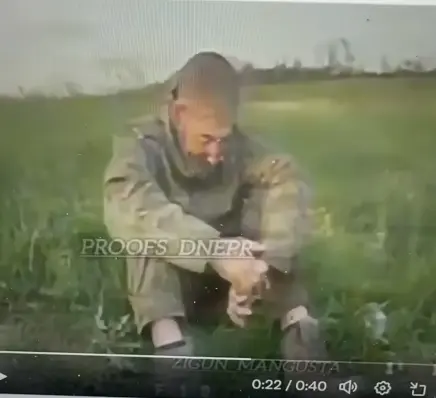
A video recently made the rounds, thanks to a user named Lord Bebo on Twitter, showing a Russian soldier in a field just moments before a Ukrainian drone was apparently going to strike. This immediately got people talking about whether it was a war crime. To understand this better, we can look at a straightforward three-part check.
First, we ask, is the soldier "hors de combat"? This means they are out of the fight because they're badly hurt, sick, or unconscious, perhaps in a field hospital. Looking at the soldier in the video, he seemed to be aware and not in such a state.
Second, is the soldier clearly marked as medical staff? Medics are protected because they don't fight; they usually wear special armbands or markings like a red cross. The soldier in the footage didn't have any such markings.
Third, is the soldier actively trying to give up? The video didn't show any clear signs that he was surrendering. It's also a bit tricky because the rules of war, the Geneva Conventions, were last updated in a big way in 1949, with some additions later, but they don't specifically say how someone surrenders to a drone. We've seen soldiers surrender to drones before. Back in 1991, Iraqi soldiers gave up to an American drone, which then told US troops where to find them. More recently, Russian soldiers have surrendered to Ukrainian drones, with one drone even dropping a note telling a soldier where to go.
The thing about today's wars, like the one in Ukraine or conflicts in other places, is that we see so much of it. For the first time, people can watch what’s happening on the front lines in clear video, almost as it happens. Because war is so awful to watch, many think every terrible thing they see must be a war crime. But there’s a difference between something being horrible and something being a war crime under international law. In this case, based on the usual checks, it doesn't look like a war crime.


