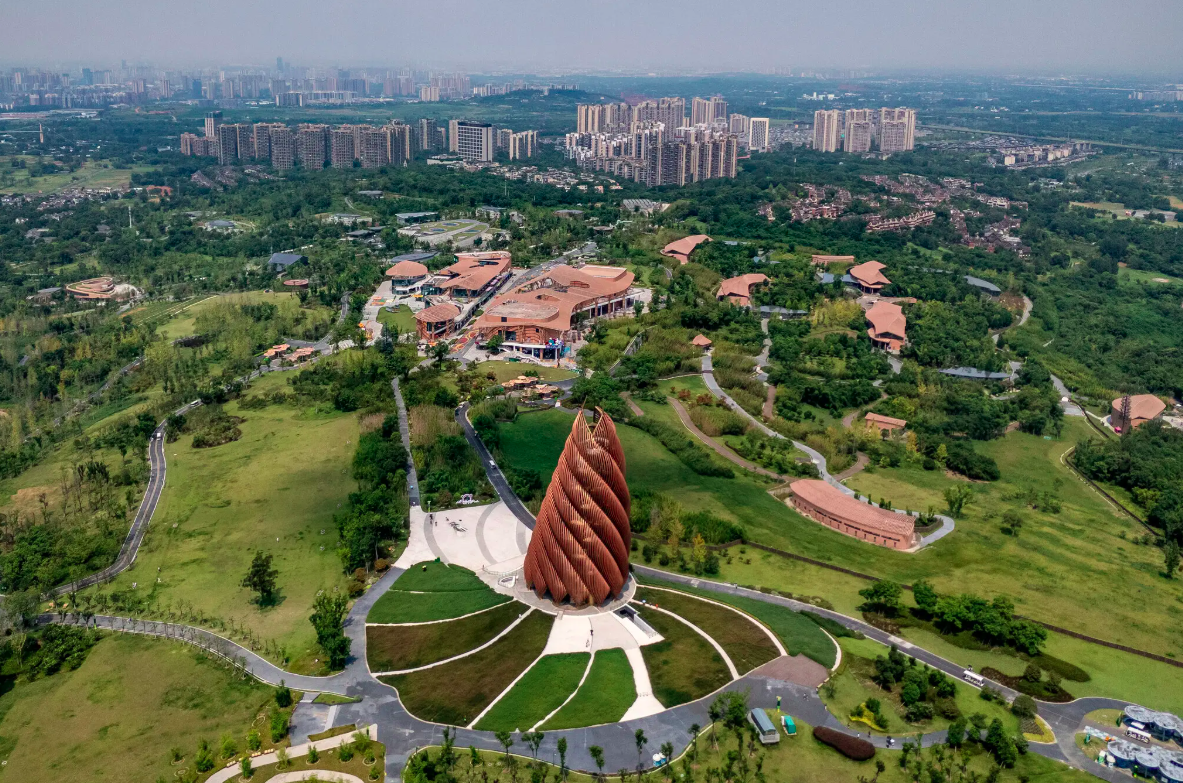
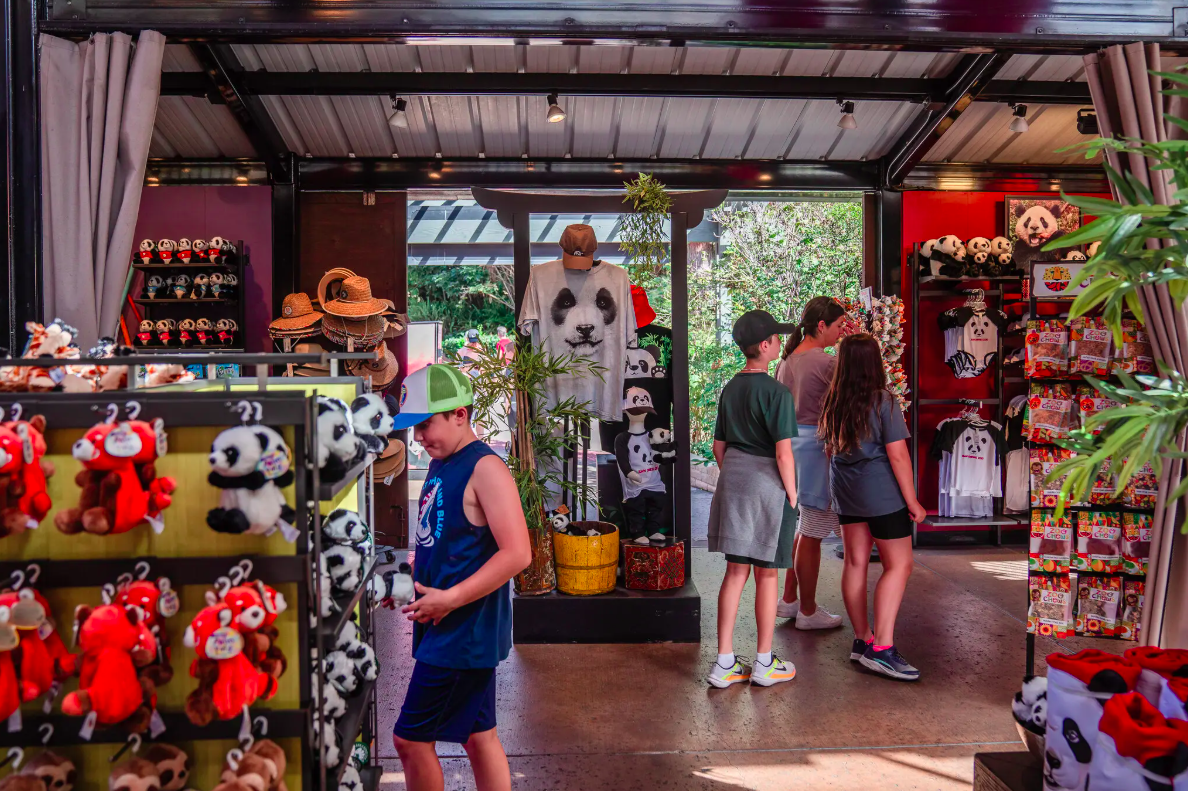
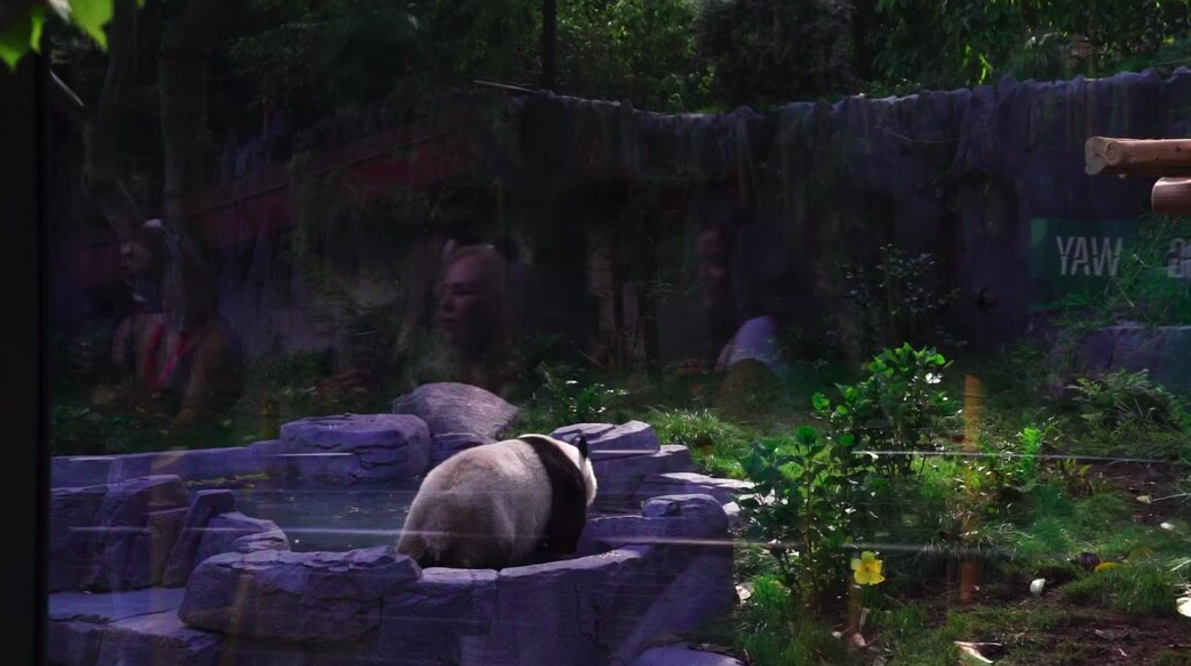

For decades, American zoos have sent tens of millions of dollars to China for the right to house giant pandas. According to U.S. law, these funds were supposed to be used for panda conservation in the wild. However, the Chinese government spent them on constructing residential complexes, roads, museums, and other projects unrelated to preserving their habitat.
Although the U.S. Fish and Wildlife Service raised concerns about the transparency of fund usage, funding continued out of zoos’ fear of losing access to pandas. Over the past two decades, more than $86 million has been transferred from American zoos, with a significant portion used for projects not directly tied to the protection of wild pandas.
Documents reveal that American zoos agreed to large expenditures on building offices, computers, and even museums, while panda habitats remained at risk. Although part of the money was spent on conservation, much of it went toward infrastructure projects unrelated to preserving the species.
Thus, while zoos continue to promote their role in panda conservation, the reality shows growing risks to their habitat and the potential inefficiency in using allocated funds. It is urgently necessary to review funding practices and ensure transparency in spending to protect pandas in the wild.


