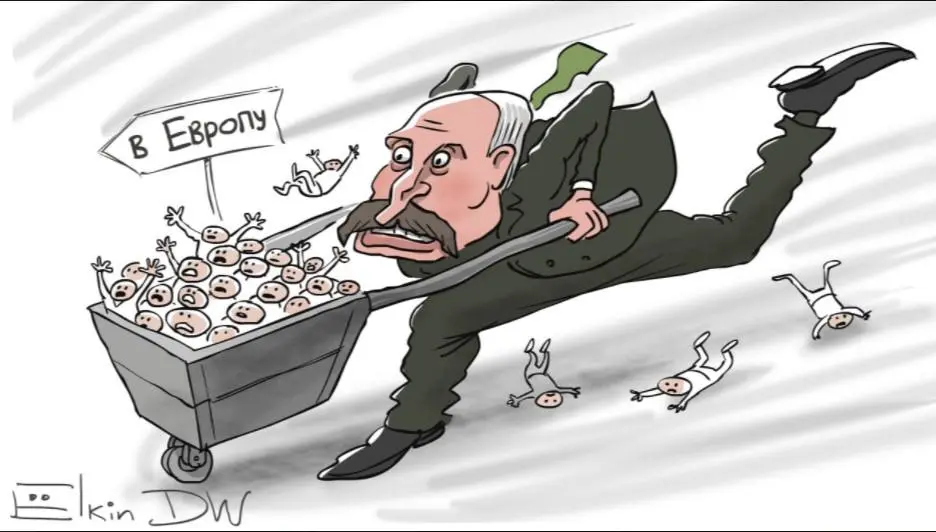
From May 27th, authorities in Belarus have announced the removal of import prohibitions on various farm products originating from European Union countries. This significant policy alteration includes staples like potatoes, apples, onions, and cabbage. Officials in Minsk have publicly justified this decision, presenting it as a two-pronged approach. Primarily, they assert it acts as a direct countermeasure to trade levies previously imposed by the European bloc. Simultaneously, perhaps surprisingly, they describe it as an act of goodwill, suggesting an effort to mend fences and foster amicable relations despite ongoing political disagreements.
However, this abrupt shift in trade policy appears to be driven by an urgent internal necessity. Belarus is currently facing a pronounced scarcity of potatoes, a staple in the national diet. This shortage has become severe enough to elicit public comment from the nation's leader. Earlier in May, President Lukashenko openly voiced his dismay regarding the situation, expressing frustration that there was insufficient produce to store in homes, a traditional practice for many Belarusian families. His public lament underscores the gravity of the domestic supply challenge.
The timing and the official explanations for lifting the import ban reveal a complex interplay between international diplomacy and immediate national requirements. While the government frames its action as a retaliatory measure against EU duties, the undeniable reality of a substantial potato shortfall likely provided the more compelling reason for this move. Importing these agricultural goods from Europe aims to alleviate internal supply pressures and ensure that consumers have access to these essential food items, even as Minsk endeavors to present the initiative within a broader diplomatic context. This policy change represents a pragmatic step to address food security concerns, potentially opening new channels for trade in fundamental foodstuffs and reflecting a practical response to local demand. I hope you all understand that this food will then go to Russia.


