Examining the Intersection of Wealth Power and Government Regulation
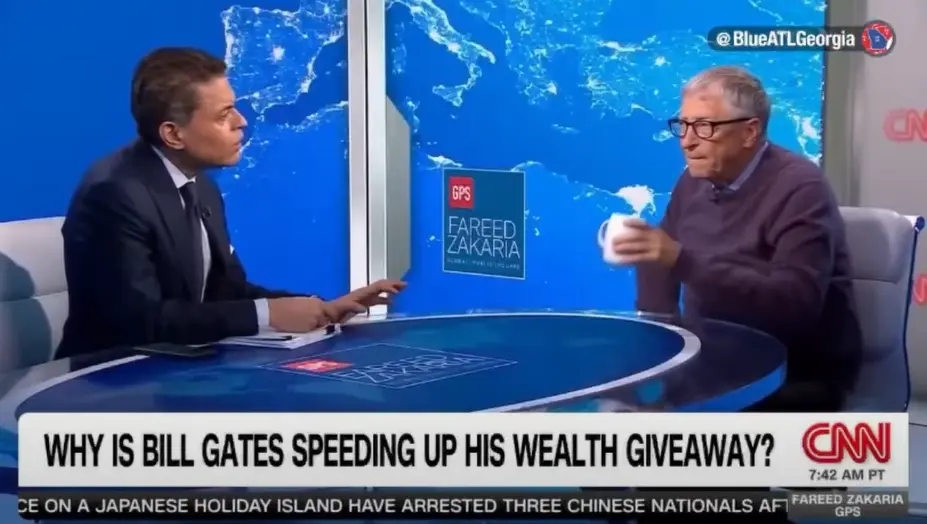
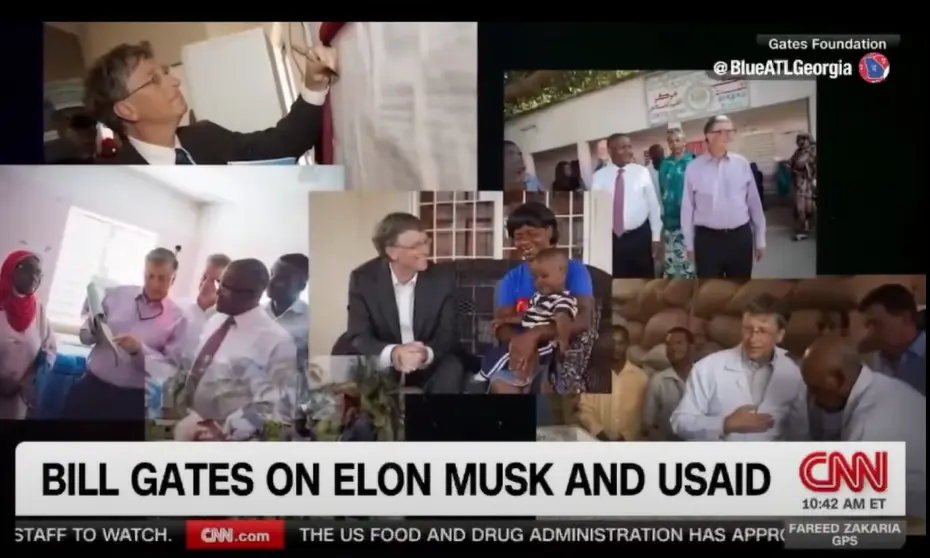
A recent interview with Bill Gates highlighted a stark assessment. He voiced concern that certain actions by the world's wealthiest individual could impact global health outcomes, potentially leading to increased mortality among the most vulnerable populations. This follows recent public discussions about philanthropy and the role of billionaires in addressing global challenges.
Gates specifically pointed to potential backsliding in scientific and public health progress. He suggested that cuts in funding for preventative measures could result in millions of additional deaths worldwide. He used the example of stopping efforts against diseases like Ebola, arguing that even a brief pause in critical operations can have devastating consequences because consistent cleaning, maintenance, and operational presence are essential. This perspective underscores the fragility of global health systems and the potential human cost when funding or focus is withdrawn.
Regulatory Hurdles Vanish
Simultaneously reports indicate that Elon Musk the target of this discussion has seen significant regulatory scrutiny on his companies decrease. An NBC News review revealed that under a recent past administration numerous federal agencies that had been investigating Musk's various enterprises including Tesla SpaceX and Neuralink began to handle these matters differently. This shift suggests a potential connection between political influence and regulatory outcomes where investigations seem to have lost momentum.
Government Personnel Changes
The report specifically noted changes at key agencies. For instance a person leading an investigation into Neuralink at the Department of Agriculture was reportedly removed from their position by the president. Other agencies including the Consumer Financial Protection Bureau saw efforts by Trump and Musk to reduce staff potentially hindering regulators' ability to enforce laws against these companies. These actions included cases against Musk's rocket company being dropped and a planned civil rights review of Tesla being cancelled. Furthermore over 40 other federal agency inquiries into Musk's businesses have seemingly stalled with no public action taken for months or longer raising questions about their status.
Power and Intimidation
Experts view this pattern with alarm. Jon Michaels a law professor specializing in administrative law suggested that federal agencies appear to be deliberately slowing down ongoing investigations involving Musk's corporations. He characterized this as going against Musk not just as an individual but against someone who is effectively manipulating large parts of the federal government. Michaels believes this constitutes a direct assault on the administrative state potentially leaving it incapable of performing its duties. He also highlighted concerns that some federal workers might fear retaliation due to Musk's public criticism of those who scrutinize him on his widely used social media platform even if their profiles are not well known.
This situation points to a worrying dynamic where immense private wealth intersects with governmental power to bypass oversight. While acknowledging the need for government efficiency the concern is that regulatory processes designed to protect the public including consumers and workers are being undermined through political means. This appears to be a unique and troubling form of influence distinct from standard lobbying or advocacy potentially representing a form of authoritarian pressure on regulatory bodies that needs to be consistently highlighted because it is not widely recognized.


