Is the world supposed to tremble before a weapon that might not even exist? Russia's leadership has repeatedly boasted about the Burevestnik, a cruise missile supposedly powered by a miniature nuclear reactor, giving it virtually unlimited range. The idea is simple and terrifying: a weapon that can stay airborne for days, weaving around missile defenses to strike anywhere on the planet. But the line between a groundbreaking weapon and a piece of expensive, dangerous propaganda is very thin.
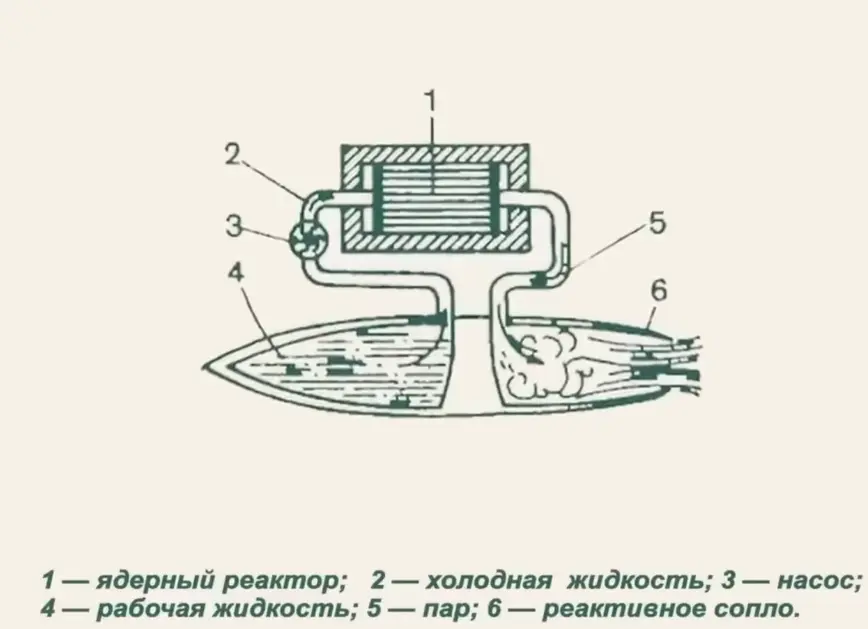
Conceptually, the weapon is an absurdity born from Cold War-era dreams. The idea is to use an air-breathing engine where incoming air is superheated by a nuclear reactor and expelled to create thrust. This avoids the need for massive fuel tanks, hence the "unlimited" range. However, the technical challenges are monumental. How do you build a compact, lightweight nuclear reactor that can withstand the incredible stresses of flight while operating safely? It's a physics and engineering nightmare. The original Soviet projects failed for a reason: they left a trail of radioactive exhaust, poisoning everything in their path.
While modern proponents claim a "closed-loop" system would prevent radioactive leakage, this only adds another layer of complexity. Creating a heat exchanger efficient enough for this purpose in such a small package is beyond current proven technology. This is why many analysts believe the nuclear-powered cruise missile is a fiction. There is simply no verifiable evidence of a successful test. All we have are animated videos and bold statements.
The most damning argument against the Burevestnik is the sheer danger of testing it. If this missile crashes—and new weapon systems often do during testing—it becomes a dirty bomb, scattering radioactive material over a vast area. Would Russia risk irradiating its own territory for such a project? Past incidents, like the 2019 explosion at a military base in Nyonoksa that killed several scientists and caused a radiation spike, suggest they might be reckless enough to try. But it highlights the weapon's impracticality. It’s a weapon you can't even safely test, let alone deploy.
Ultimately, the 9M730 Burevestnik serves a more immediate purpose as a psychological tool. It's a ghost story for the modern age, a threat of an unstoppable weapon that forces other nations to spend resources on countermeasures for something that might only exist on a computer screen. It is the perfect propaganda weapon: it costs little to announce but instills a great deal of fear.


