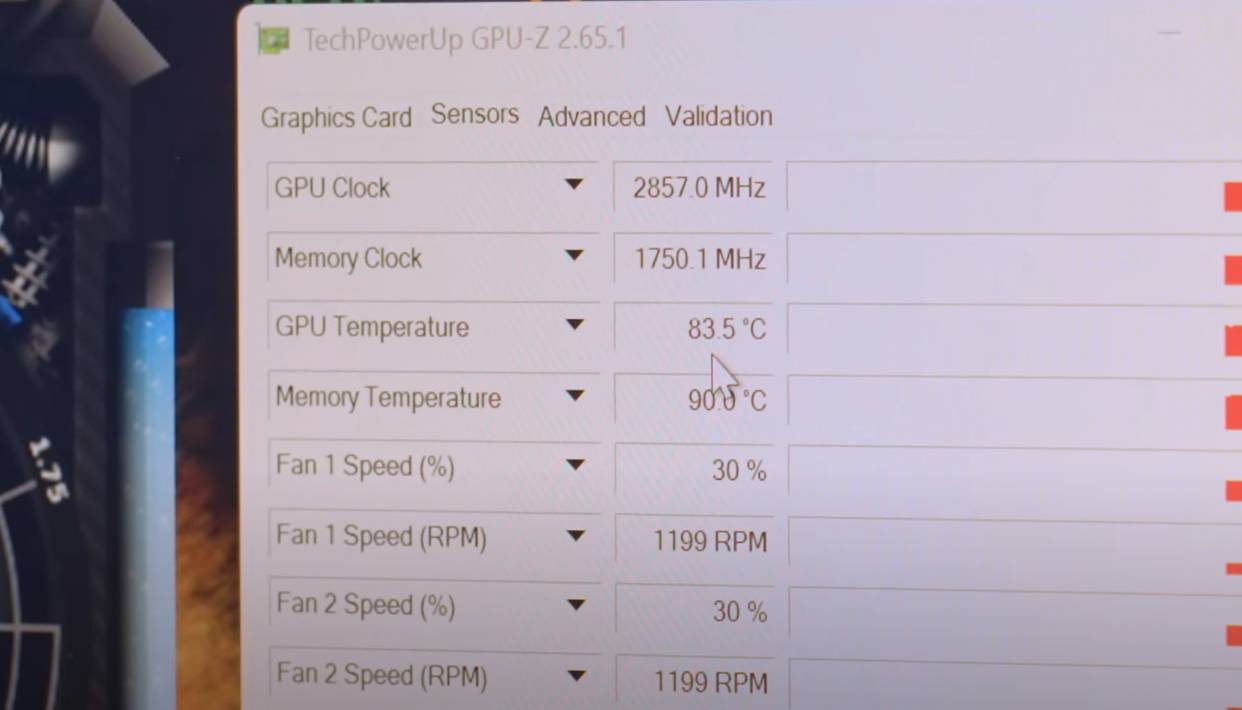
Nvidia's recent graphics driver, version 576.02, is presenting significant problems for users. A bug affects the graphics processing unit temperature sensor reporting after the system resumes from sleep or hibernation modes. Monitoring software, such as MSI Afterburner, fails to display current temperature readings. Instead, the reported value remains fixed at the temperature recorded just before the computer entered a low-power state.
For systems using the graphics card's default fan management, this might only be an inconvenience as the actual fans typically continue to regulate temperature correctly based on internal readings. However, the situation becomes critical for individuals utilizing custom fan profiles through third-party applications. These tools depend on accurate sensor data to adjust fan speeds.
With the temperature information frozen, custom fan settings will not react to increasing heat during demanding tasks like gaming. This failure to cool adequately can result in the graphics card overheating, performance reductions due to thermal limits, and potential hardware damage. This issue is particularly hazardous for air-cooled cards, especially those with zero-RPM modes enabled via custom curves.
Users encountering this difficulty are advised to avoid installing driver 576.02 or revert to an earlier, stable version if feasible. If using this driver is necessary, disable any custom fan adjustments tied to the GPU temperature sensor. Allowing the card's firmware to control cooling is safer currently. Alternatively, completely shutting down the computer instead of using sleep or hibernate prevents the bug from activating. A full system reboot temporarily resolves the frozen sensor reading until the next sleep cycle. Nvidia has yet to pull the driver despite reports emerging several days ago.


