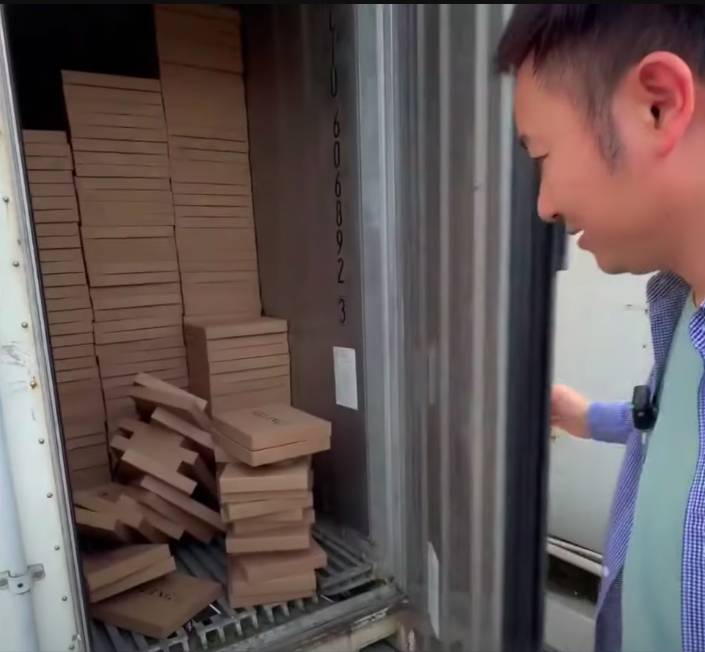
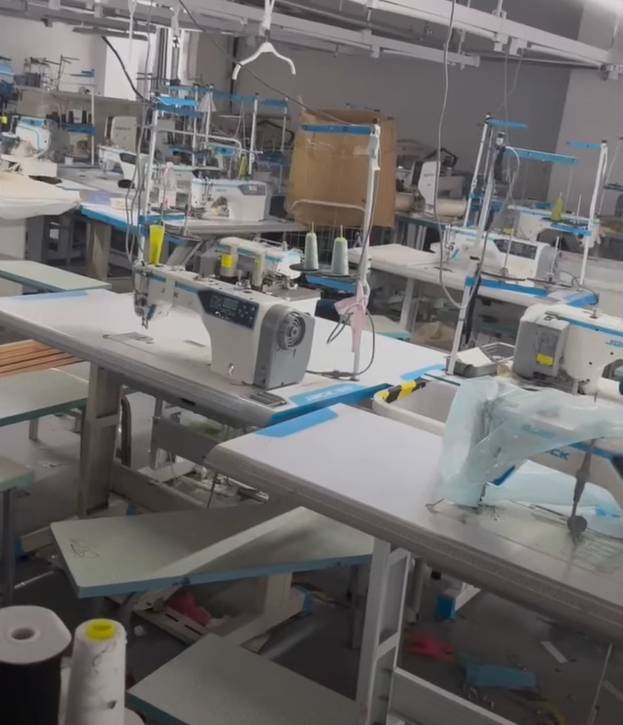

China's foreign trade sector is facing significant headwinds, caught between high US tariffs and an increasingly challenging domestic market. As one commentator in the video states, "Foreign trade is no longer viable," prompting businesses to look inward, only to find intense competition and razor-thin margins.
The video highlights the extreme price sensitivity in China's domestic market. T-shirts, even those with 40% cotton, sell for as little as 19 yuan (about $2 USD) in physical stores burdened by rent costs. Socks are priced at 1 yuan. This hyper-competitiveness is fueled by overcapacity and what one speaker calls a "ridiculously low" price environment, where "survival has become the new standard."
Major e-commerce platform JD.com's plan to purchase 200 billion yuan worth of goods originally meant for export and sell them domestically is expected to worsen the situation. This move could flood the market with affordable, high-quality products, further intensifying price wars and squeezing smaller, already fragile businesses. An analogy compares this to a large company undercutting small breakfast shops, ultimately driving them out of business.
This shift towards domestic sales comes amid the backdrop of the US-China trade war, with US tariffs on Chinese goods reaching 145% and Chinese tariffs on US goods at 125%. The economic pressure has led to factory closures, production halts, and businesses being asked by clients to relocate manufacturing to countries like Vietnam to circumvent tariffs. Consequently, the Chinese government emphasizes "domestic circulation," but results seem bleak, with domestic trade shows described as quiet and unprofitable.
The strain is evident, with businesses struggling, workers facing layoffs, and widespread negative sentiment growing. Exporters are resorting to live streams to clear unsold inventory stuck at ports. Experts suggest China's retaliatory options are limited, while the US possesses significant leverage, including potential financial sanctions and technology blockades. As the trade war persists, Chinese businesses find themselves struggling both abroad and at home, facing a difficult economic future.


