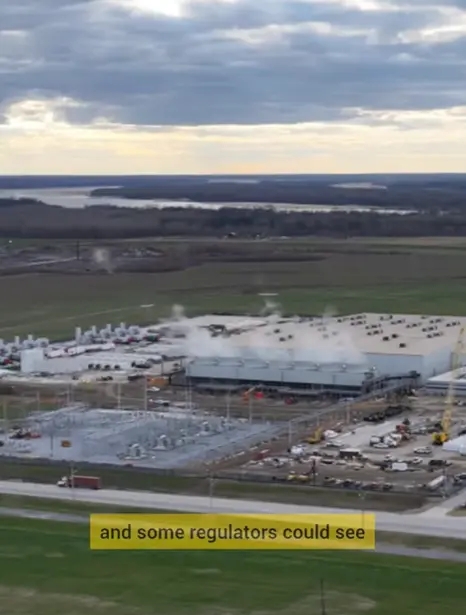
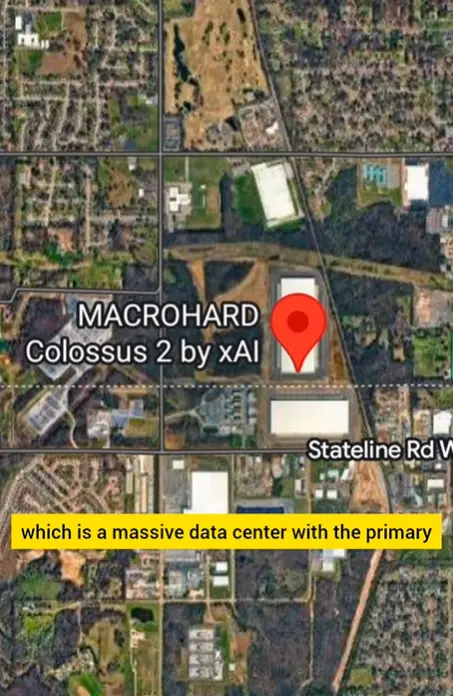
We often hear about how artificial intelligence is going to save the world, fix our problems, and lead us into a golden age of technology. But nobody talks about the dirty reality of what it takes to build these systems. In a quiet corner of Memphis, Tennessee, specifically in the Boxtown neighborhood, Elon Musk's xAI data center has risen like a monster, and it is hungry. This facility, known as Colossus, isn't just a building full of computers; it is a massive industrial machine designed with one primary goal: to train Grok, Musk's "edgy" AI chatbot.
The scale of this operation is hard to wrap your head around. It sits right next to a water recycling facility on the Mississippi River. This is not an accident. The data center is estimated to gulp down up to 5 million gallons of water every single day just to keep the servers from melting. But water isn't the only resource this beast needs. It needs electricity—more power than the local Memphis grid was ever designed to provide. So, what happens when a billionaire wants to build something that the city’s infrastructure can’t support? He simply builds his own power plant, regardless of the rules.
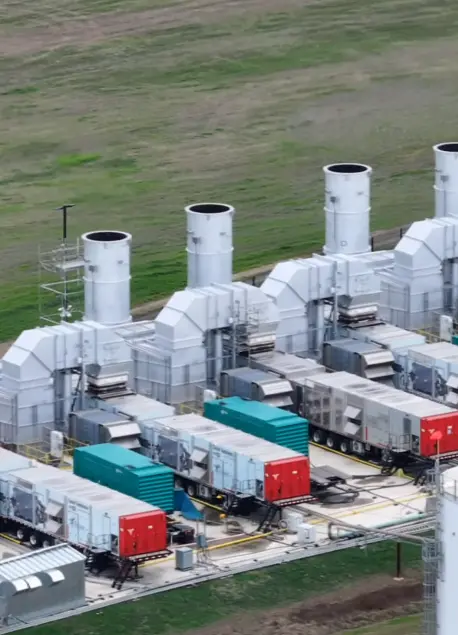
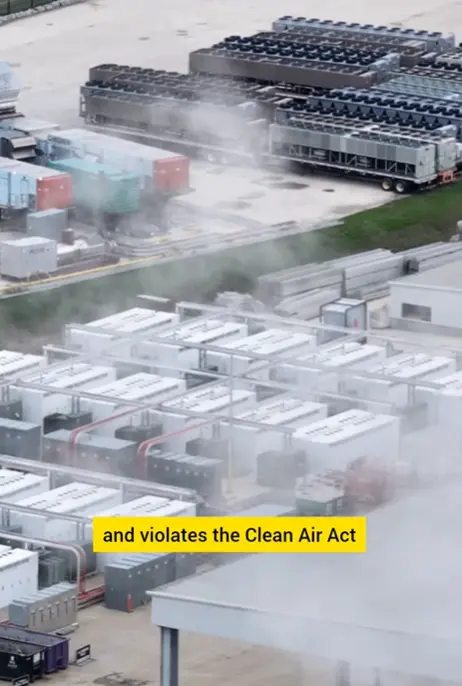
Because the city couldn't plug him in fast enough, Musk’s team installed nearly 20 illegal methane turbines on the site. These aren't small generators; they are industrial-grade machines blasting exhaust into the sky. He did this to bypass the waiting time for proper power connections. Recently, a drone flew over the facility, capturing footage of these turbines smoking away. Just hours later, the EPA dropped a bombshell: operating these turbines to power the data center is illegal. It violates the Clean Air Act.
Why does this matter? It’s not just about paperwork. These machines spew heaping amounts of nitrogen oxide into the air. This chemical is nasty stuff—it is well known to cause asthma and increase the risk of cancer. And here is the saddest part: Boxtown, the poor community living in the shadow of this facility, already suffers from drastically higher asthma rates and a cancer risk four times higher than what the government considers safe.
The richest man in the world decided that training an AI to tell jokes was worth poisoning the air of a marginalized neighborhood. He broke the law to move faster. The regulators have spoken, but the question remains: will anything actually happen? Usually, when regular people break the law, they get arrested. When corporations do it, they might pay a fine that amounts to pocket change. The toxic smoke is still rising, the computers are still humming, and the people of Boxtown are still breathing it in. If nobody stops this, it sends a clear message: progress is more important than people.


