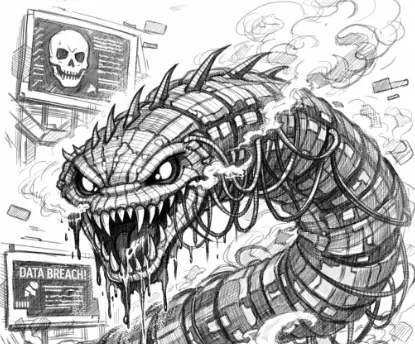
Let us be completely honest with ourselves. We all thought we were invincible. We mocked regular users who clicked on fake bank emails, thinking that because we write code, we are somehow immune to getting hacked. Well, reality just hit us hard. The Miasma worm cyber threats are not just a wake-up call, they are a loud siren telling us that our modern development tools are actively betraying us. Just a few days ago, GitHub witnessed an automated attack so fierce and fast that their security systems had to pull the plug on 73 official Microsoft repositories, including sensitive Azure projects, in a mere 105 seconds. Think about that timeframe. In less than two minutes, a massive corporation had to block its own work just to stop the bleeding.
This attack completely shatters our traditional understanding of security. In the good old days, you had to be somewhat careless to catch a virus. You had to run a malicious script, execute a bad file, or at least install an infected software package. Not anymore. Today, you literally just open a folder. You just look at the project, and you are compromised.
The true evil genius of the Miasma worm lies in how it exploits our blind trust. We love our new intelligent coding companions like Claude Code, Cursor, or Gemini CLI. They make our lives easier. But hackers figured out that an AI assistants infection is the ultimate Trojan horse. The attackers simply drop specific hidden configuration files into a repository. When you open the folder, your helpful artificial intelligence wakes up, reads those settings, and assumes you want it to run those commands. It executes malicious system instructions, thinking it is just doing its job.
What exactly does this worm steal while your AI is busy "helping" you? It goes straight for the gold. It grabs the master passwords to your local vaults and password managers like 1Password. It silently extracts your access keys to major cloud platforms like Amazon Web Services, Google Cloud, and Azure. Then, it steals your GitHub tokens. It uses those tokens to clone itself into every other project you have access to, spreading across the internet like a wild fire.
So, how do you survive this absolute nightmare? First, stop blindly opening folders you pull from the web. You must manually check for hidden configuration folders like dot claude, dot cursor, dot gemini, or dot vscode in any third-party repository before you open it in your editor. Second, strip your AI tools of their power. Never give them excessive rights to execute system commands without asking for your permission first. If you even touched an affected Azure branch after June 2, drop everything you are doing, conduct a full security audit, and rotate all your secrets immediately. Rebuild your project context step by step, using only trusted, verified core files. The tech world is evolving, but the bad guys are evolving faster. Stop being so trusting and start paying attention.


