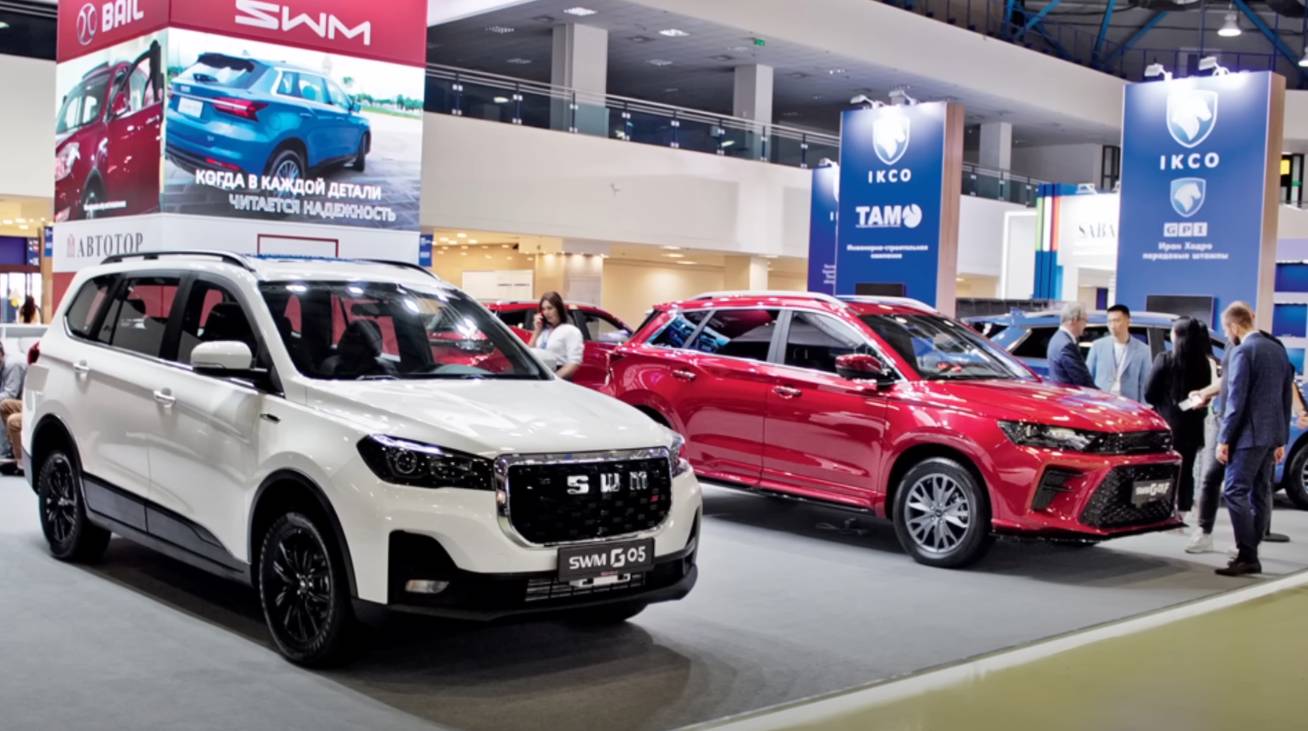
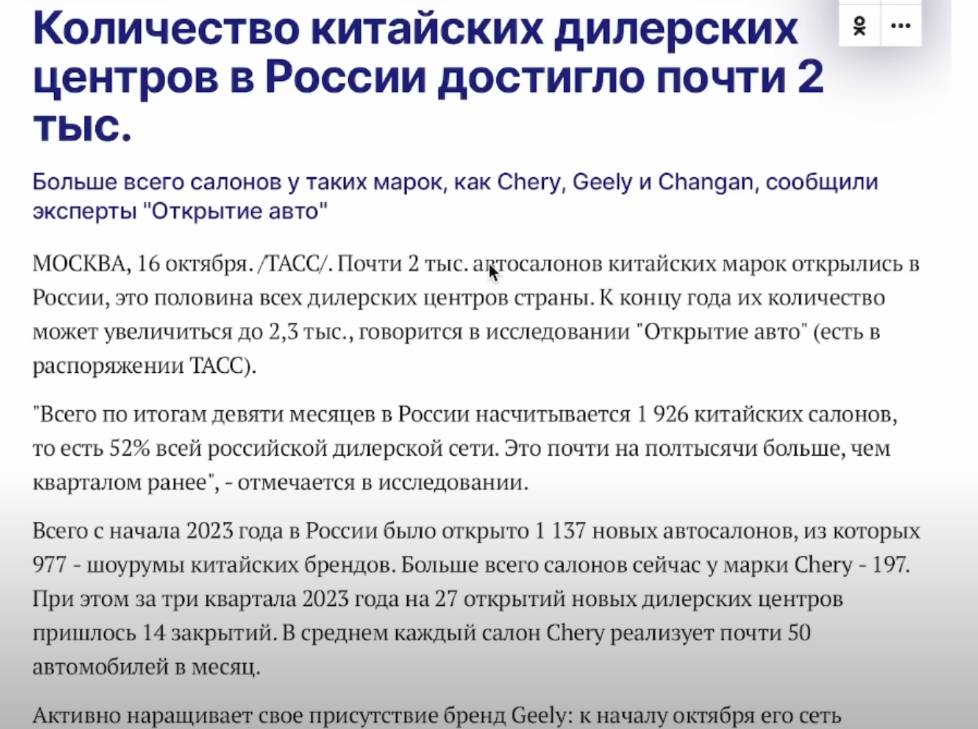

The withdrawal of numerous established Western automotive manufacturers from the Russian market following early 2022 developments created an unprecedented gap. Chinese car companies moved swiftly to occupy this space, flooding dealerships with new models. Initially, some Russian drivers welcomed the influx, hoping for modern vehicles packed with features at accessible prices, a stark contrast to the suddenly unavailable European, Japanese, and American alternatives. This initial wave of interest propelled Chinese brands to dominate sales charts rapidly.
Initial Surge Meets Harsh Realities
However, the honeymoon period proved short-lived. While the vehicles looked contemporary and offered appealing technology on paper, practical ownership revealed significant downsides. Drivers began reporting unexpectedly high costs for maintenance and repairs. Sourcing necessary spare parts became a major challenge, often leading to extended periods where vehicles were unusable while waiting for components. This situation contrasted sharply with the expected reliability and parts availability associated with the departed legacy brands, fueling initial seeds of doubt among consumers.
Climate and Reliability Undermine Trust
A critical factor exposing the limitations of many Chinese models was their struggle with Russia's demanding climate. Harsh winters featuring prolonged freezing temperatures, heavy snowfall, ice, and corrosive road treatments proved detrimental. Reports surfaced of accelerated body rust and suspension component corrosion, quickly diminishing the vehicles' appeal. Furthermore, electronic systems frequently malfunctioned in the cold and damp conditions, with infotainment touchscreens becoming unresponsive or glitchy. Reliability, in general, became a widespread concern, particularly impacting commercial users like taxi fleets.
Growing Discontent Among Drivers
Taxi services noted that certain Chinese vehicles required decommissioning far earlier than their European or Korean counterparts, sometimes after only 150,000 kilometers. The combination of questionable long-term durability, difficult and costly repairs, and poor adaptation to local conditions led to significant buyer's remorse. Online forums and social media filled with negative reviews and warnings. The narrative shifted from cautious optimism to widespread frustration, with many Russians feeling trapped between unreliable new options and a dwindling supply of familiar used cars.
Market Dominance Proves Fragile
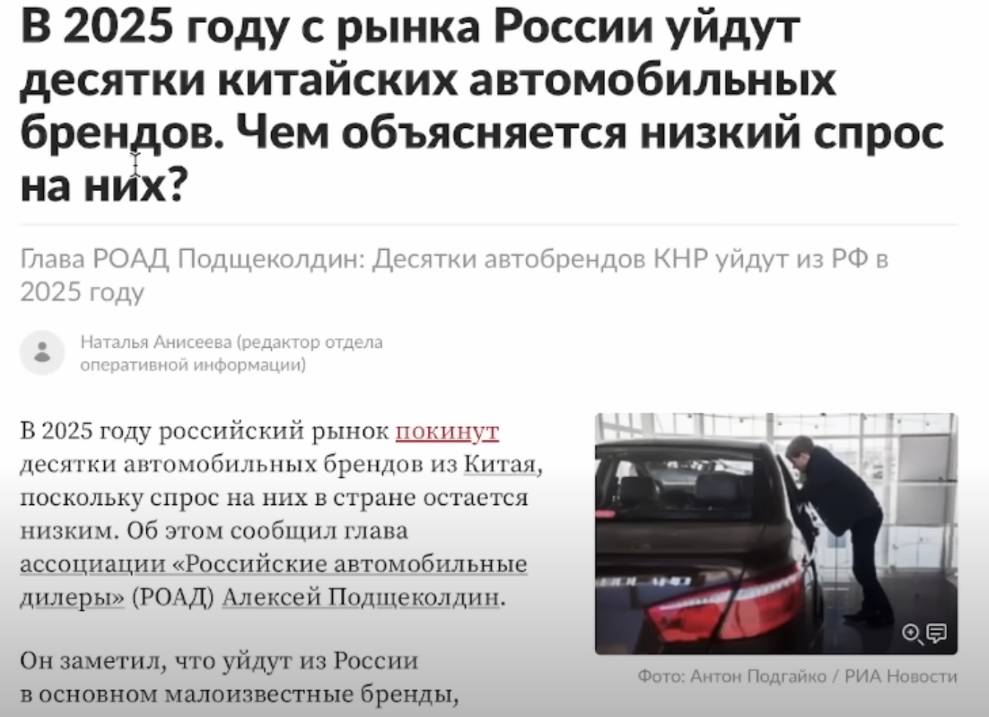
Despite achieving significant market share purely by being available, the actual enthusiasm for Chinese cars has demonstrably cooled. An increasing number of Russian consumers now explicitly state they would prefer not to purchase a Chinese vehicle if other options were present. Industry reports even suggest a potential market correction, with forecasts predicting that dozens of less established Chinese brands might exit Russia by 2025 due to low sales and profitability, alongside numerous dealership closures already occurring in 2024. The rapid takeover has thus stumbled against the hard realities of consumer expectations and challenging operating conditions.


