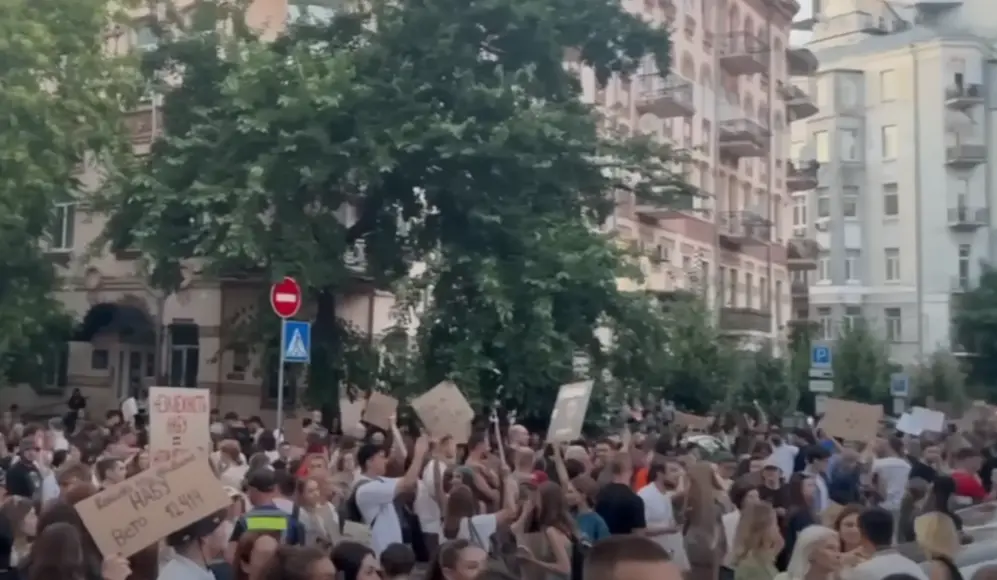
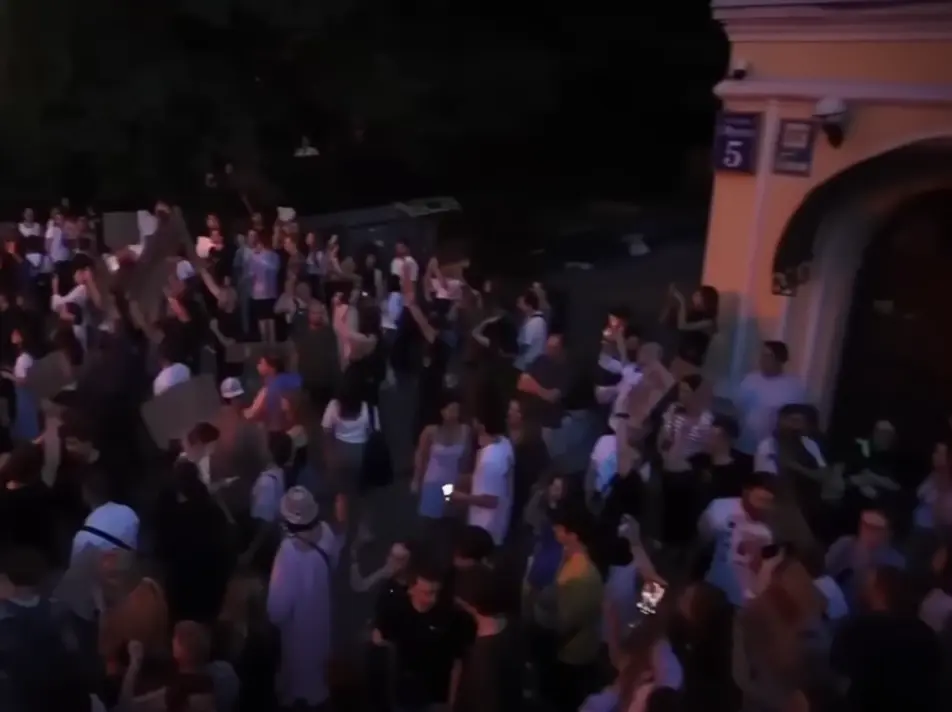
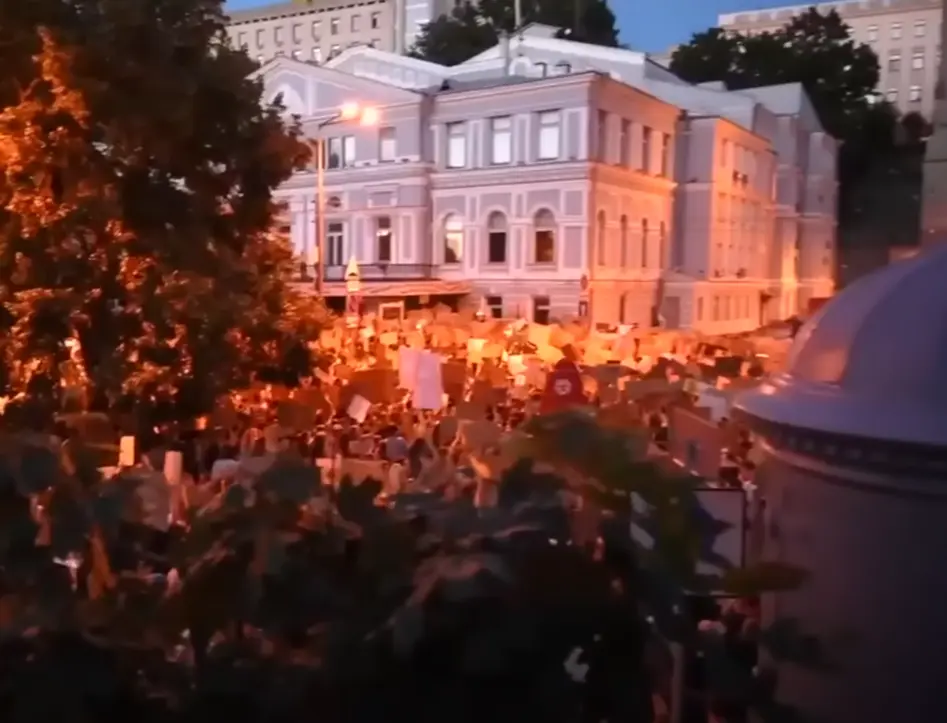
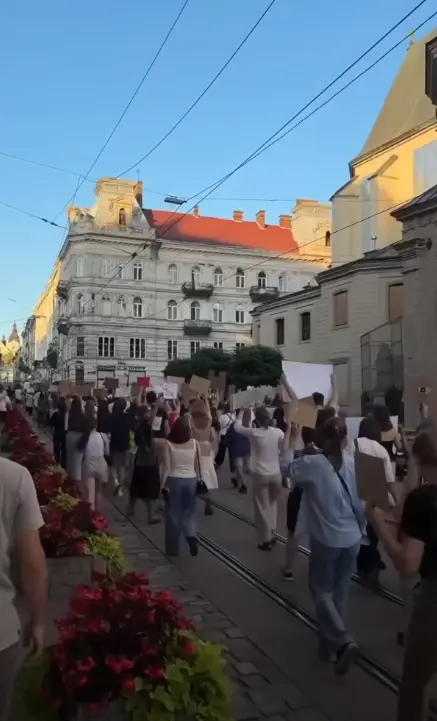
The streets of Ukraine have become a powerful classroom, teaching a vital lesson in civic engagement and the fierce defense of national institutions. Recent protests in Kyiv and other cities, sparked by governmental actions perceived as undermining the National Anti-Corruption Bureau (NABU) and its independence, offer a stark contrast to the passive acceptance often seen elsewhere. These weren't mere demonstrations; they were a vibrant display of a society actively demanding accountability and transparency, particularly concerning the prosecutor's office and its influence.
Ukrainians are no strangers to fighting for their future, whether on the battlefield or in the public square. The recent law, Bill No. 12414, which critics say severely limits the powers of NABU and the Specialized Anti-Corruption Prosecutor's Office (SAPO) by subordinating them to the Prosecutor General, ignited a furious backlash across the nation. Despite the ongoing conflict, thousands of citizens, many of them young, took to the streets, holding signs and chanting slogans like "Hands off NABU!" and "The people are the government!" This raw, unfiltered expression of dissent serves as a powerful reminder of what it means for a society to truly possess freedom and to exercise its right to self-determination.
The stakes are incredibly high for Ukraine. The anti-corruption bodies like NABU were established with significant international support following the 2014 Maidan Revolution, precisely to combat deep-rooted corruption and ensure transparency. Their independence is a cornerstone of Ukraine’s aspirations for European Union integration and crucial for maintaining trust among international partners. The perception that a veto was bypassed or a law rushed through parliament without proper debate only fueled the anger. These actions show that even during wartime, the Ukrainian people remain vigilant against any threats to their democratic progress, whether from external aggression or internal challenges.
For those in Russia, accustomed to a political landscape where public street action is met with swift and severe suppression, the Ukrainian example is particularly illuminating. Here, ordinary people are not afraid to challenge decisions that they believe jeopardize the nation’s democratic future and its fight against corruption. The protests underscore a fundamental difference in political culture: while some governments might seek to tighten control under the guise of national security, the Ukrainian people understand that true strength lies in a robust civil society and independent institutions. They are demonstrating how a nation can simultaneously resist external threats and demand internal reforms, illustrating a profound commitment to a genuinely democratic path. This unwavering commitment to justice and accountability, even when inconvenient, offers a powerful blueprint for how citizens can ensure their voices are heard and their future secured.


