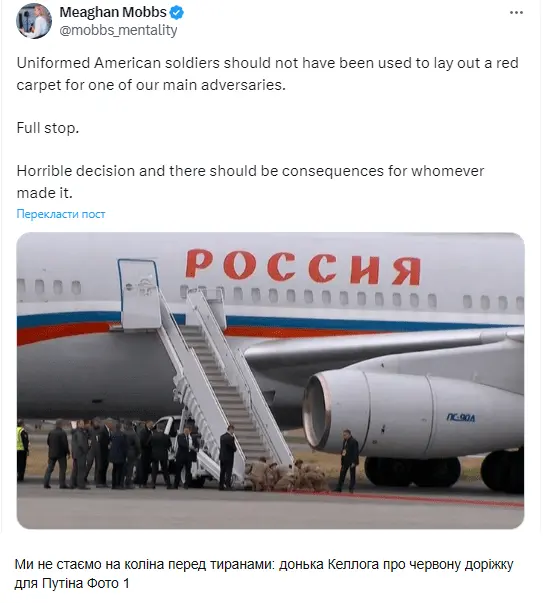
A widely circulated image showing uniformed military personnel on their hands and knees arranging a red carpet for Vladimir Putin's arrival in the United States has sparked intense debate and controversy. The scene, which took place at a US air base in Alaska, showed American soldiers preparing for the Russian leader's official reception. This event has raised questions about diplomatic protocol, respect, and the message such an image sends on the global stage.
The event occurred in August 2025, when the Russian president arrived at Joint Base Elmendorf-Richardson in Alaska for a summit. The reception included full state honors, and the preparation of a red carpet is a standard component of diplomatic protocol for welcoming a visiting head of state. The task is typically carried out by military personnel as part of their official duties in hosting foreign dignitaries. The soldiers were ensuring the carpet was perfectly aligned and secure before the guest of honor disembarked from his aircraft.
However, the context of this particular visit turned a routine procedure into a viral controversy. The image of US troops kneeling to adjust a carpet for Putin was viewed by many critics as a gesture of fealty and a national embarrassment, especially given the ongoing geopolitical tensions and conflicts. Commentators and politicians expressed outrage, with some calling the act a humiliation for the United States and its armed forces. The visual was particularly jarring for many, who felt it showed an inappropriate level of deference to an adversary.
From a procedural standpoint, the soldiers were not acting on orders from the Russian leader, but from their own chain of command as part of a planned diplomatic reception. The role of a military honor guard and support staff during such events is to execute ceremonial duties flawlessly, regardless of the political standing of the visitor. This is considered a reflection of the host nation's discipline and respect for diplomatic traditions. The controversy, therefore, is not about the soldiers' actions themselves, but about the decision to afford such honors to Putin in the first place.
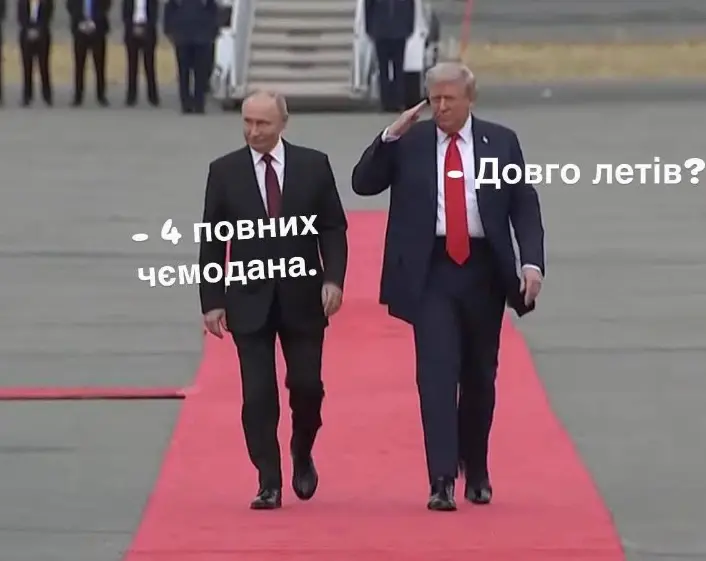
The incident highlights a significant clash between standard diplomatic practice and public perception. While a red carpet welcome is a long-standing tradition meant to honor the office, not necessarily the individual, the symbolism was interpreted very differently by various audiences. Russian state media, for instance, presented the images as a major propaganda victory, suggesting that the West's attempts to isolate their leader had failed and that he was being received with the highest respect. For Ukrainians and their supporters, the scene was seen as a betrayal by a key ally.
In conclusion, the video of American soldiers laying a red carpet was not a sign of them taking orders from a foreign power, but rather of them performing a standard ceremonial duty for a state visit. The resulting firestorm was fueled by the political context of the meeting, turning a routine diplomatic gesture into a potent symbol that was celebrated by some and condemned by others. The event underscores how, in an era of intense geopolitical conflict, traditional acts of diplomacy can become highly charged and controversial moments.


