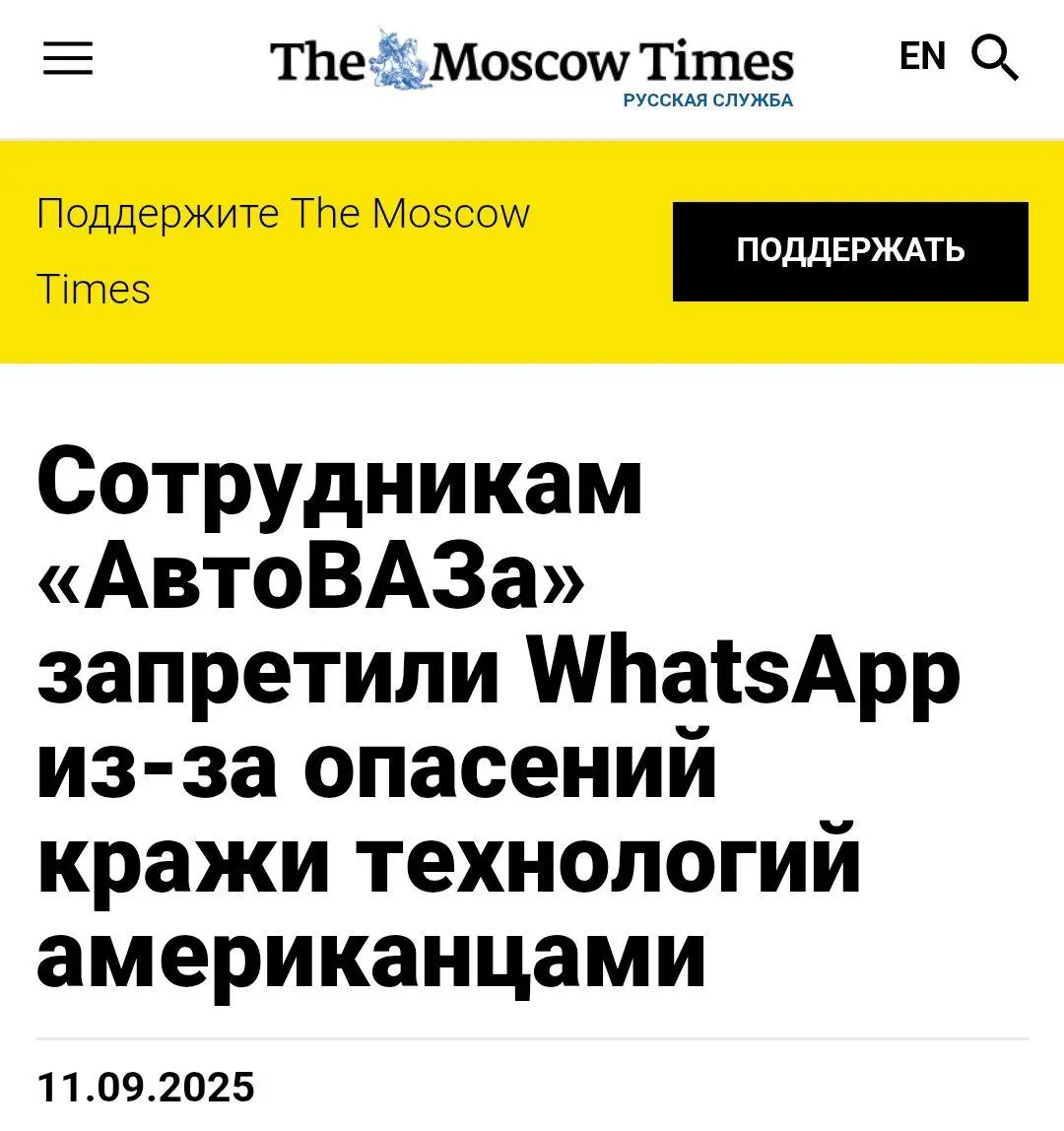
citing fears of American spies snatching cutting-edge automotive secrets. The Russian automaker, famed for churning out millions of Lada sedans, apparently believes that little green chat bubbles carry more than emojis—they harbor covert channels for technology theft. Talk about treating your employees like walking spy satellites.
Executives reportedly convened an emergency Telegram call—ironically—to discuss the new WhatsApp ban. They debated whether banning WhatsApp would protect proprietary engineering specs or merely strain employee morale. The top priority: safeguarding every piston diagram and gearbox blueprint from the relentless clutches of Silicon Valley’s cyber-espionage. Forget cyber-security best practices; AvtoVAZ has chosen digital isolationism.
Let’s be real: blocking WhatsApp won’t stop determined hackers or rogue insiders. A savvy engineer could pivot to email, Signal, or—dare we say—Carrier Pigeon. The ban smacks of headline-grabbing theatrics disguised as cybersecurity. Yet it feeds right into the SEO goldmine: “AvtoVAZ WhatsApp Ban,” “Russian Automaker Cybersecurity,” “Technology Theft Alarm.” Whip up some blog posts, and watch those clicks roll in.
Meanwhile, employees are left deciphering complex VPN tutorials, impersonating secret agents just to share cat memes. Morale is plummeting faster than a stock price after a recall announcement. But on the bright side, AvtoVAZ’s SEO ranking is about to soar—because nothing screams “viral content” like banning the world’s most popular chat app.
At the end of the day, the WhatsApp ban highlights a crucial lesson: in the digital era, paranoia is the new oil. Pump it through your corporate veins, and watch every headline—and Google Analytics chart—explode.


