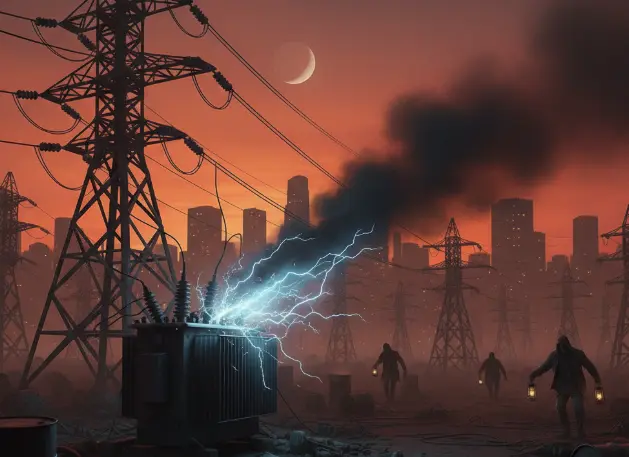
We love our digital world. From asking a chatbot to write a poem to streaming movies on a lazy Sunday, our lives are seamlessly powered by invisible, massive computer brains. But what is the real price of this convenience? As we race toward an AI-powered future, we ignore a ticking time bomb: the skyrocketing data centre electricity consumption that fuels our digital habits. The silent hum of servers in anonymous buildings worldwide is growing into a roar, and it threatens to drown out our climate goals.
The Unseen Energy Crisis
While public attention is focused on electric cars and solar panels, a new energy monster is rapidly growing in the shadows. Global data centre power demand is projected to more than double by 2030, potentially reaching over 945 terawatt-hours (TWh). To put that into perspective, that’s more than the entire current annual electricity consumption of a country like Japan. This surge is so significant that in the United States, data centers are expected to drive almost half of the country's electricity demand growth by 2030. The question is no longer if this will strain our power grids, but by how much.
The AI Elephant in the Room
Look closely at the forecasts, and one culprit for this explosion in energy use stands out: "accelerated servers." These are the high-powered engines of the artificial intelligence revolution. Every time you use a generative AI, you’re spinning up processors that have an insatiable appetite for electricity. Some estimates suggest that AI workloads, which accounted for a fraction of data center power use in recent years, could be responsible for up to half of it by 2030. A single AI installation can consume as much electricity as 100,000 homes. This direct line from AI hype to massive IT infrastructure power consumption forces a provocative question: Is our obsession with AI fundamentally at odds with a sustainable planet?
The Vicious Cycle of Data Centre Cooling
It's not just the processors. All that computation generates a colossal amount of heat. To prevent this high-tech equipment from literally melting, data centres rely on massive cooling systems. This creates a vicious cycle: the harder the servers work, the more energy is needed simply to keep them from overheating. Cooling can account for a staggering 40% of a data centre's total energy use. As AI makes servers work harder than ever, the demand for cooling—and the power it consumes—will only continue to grow, adding another layer to the environmental challenge.
Can "Sustainable Data Centres" Save Us?
The industry insists it has the answer: sustainable data centres. Companies are exploring everything from renewable energy sources to innovative liquid cooling technologies. The "green" data centre sector is even projected to grow substantially. However, these efforts face significant hurdles. Integrating variable renewable sources like wind and solar is challenging for facilities that demand uninterrupted power 24/7. Furthermore, with the sector's exponential growth, there's a real danger that efficiency gains will be completely swallowed by the sheer increase in demand. Is the push for energy efficiency in data centres a genuine solution, or is it just greenwashing while the industry builds our next environmental crisis?
As our world becomes more intertwined with digital infrastructure, we must confront this uncomfortable reality. The future of data centres isn't just a technical problem for engineers to solve; it's a societal dilemma. We are demanding ever-more powerful AI and instant access to data, but are we prepared to pay the environmental price? The answer will define not only the future of technology but the health of our planet.


