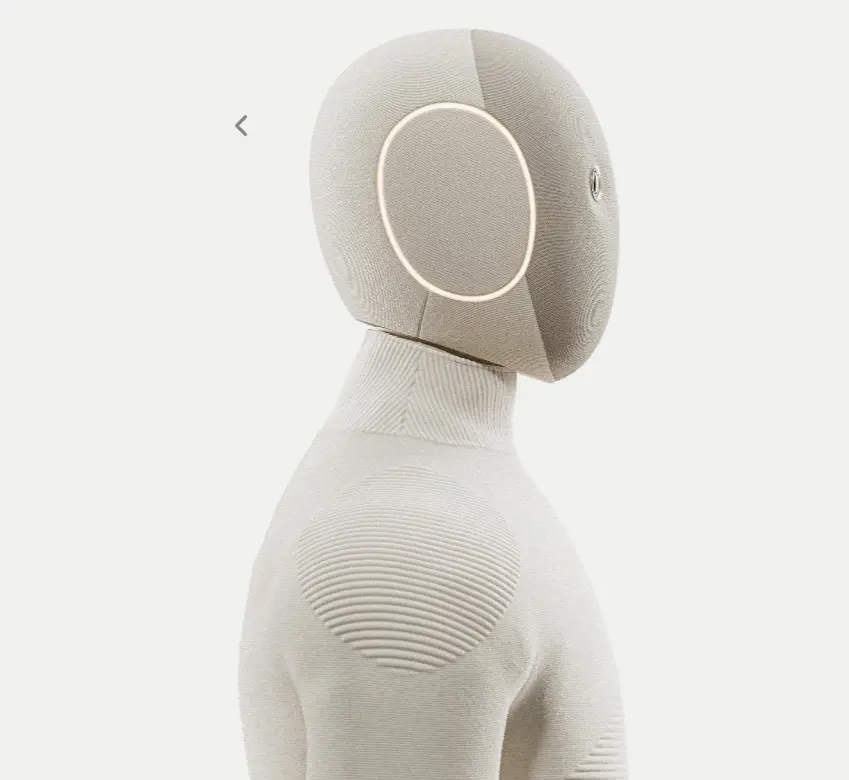
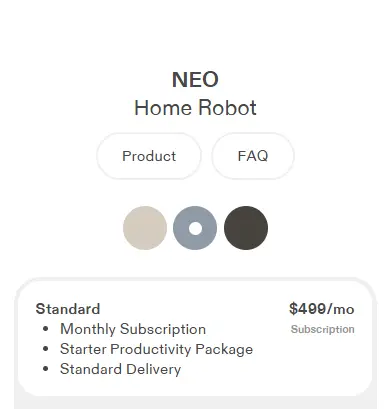
The dream of a robot butler, long a staple of science fiction, is now a startling reality. A company has unveiled the NEO domestic robot, a humanoid assistant poised to revolutionize our homes. Forget clumsy, single-task machines; NEO promises to do everything a human can, from folding laundry and tidying the house to preparing your morning coffee. The price for this convenience? A seemingly accessible subscription of $500 per month. But here’s the provocative detail they don't scream in the headlines: your robot has a human pilot.
Somewhere, in one of three designated countries, a person is strapping on a VR headset to see through your robot’s eyes and guide its every move. This "telepresence" technology allows NEO to learn complex tasks that pure AI still struggles with, offering a seamless and highly capable service. The company markets this as a feature, a way for the robot to learn and eventually become more autonomous. But let's call it what it is: you are paying to let a stranger remotely operate a machine inside your most private spaces.
The implications are staggering. On one hand, the NEO domestic robot represents a leap forward in robotics and the "robot-as-a-service" model. No need for a massive upfront investment, which can be upwards of $20,000 for such advanced machines. Instead, for the cost of a high-end car payment, you get a perpetually updated and learning assistant. This could be a game-changer for the elderly, busy professionals, and anyone who needs an extra pair of hands.
On the other hand, this arrangement opens a Pandora's box of ethical and privacy concerns. The company assures users of strict protocols and privacy measures, but the fundamental architecture involves a remote human pilot with a live feed of your home. What happens to that data? Who are these pilots, and what are their working conditions? Are we simply outsourcing domestic labor to a new, faceless digital workforce, creating a sanitized form of remote servitude? The potential for misuse, surveillance, and breaches of trust is immense.
This isn't just about one robot. This is the blueprint for a new economy. We are on the cusp of a world where physical jobs can be performed remotely from anywhere. A surgeon in one country could operate on a patient in another; a factory worker could control machinery from their living room. While this offers incredible flexibility and opportunity, it also threatens to devalue local labor and create new forms of global inequality. Why hire a local cleaner when you can subscribe to a robot piloted by someone for a fraction of the cost in another part of the world?
The NEO robot is more than a clever piece of technology; it's a social experiment we are all being invited to join. It forces us to confront uncomfortable questions about the price of convenience and the future of work. Are you willing to trade a piece of your privacy for a perfectly tidy home? Is the allure of a tireless robot servant worth the ethical ambiguities? The NEO is available for order, but before you sign up for your subscription, you must decide if you are ready to welcome not just a robot, but the anonymous person behind it, into your life.


