Activeness
social media army
Glad to have you here!

Join us in reporting Russian hate
and propaganda on global social networks.

Keep this in mind when reading information from press or translations.

Keep this in mind when reading information from press or translations. Keep this in mind when reading information from press or translations. Keep this in mind when reading information from press or translations. Keep this in mind when reading information from press or translations. Keep this in mind when reading information from press or translations. Keep this in mind when reading information from press or translations.

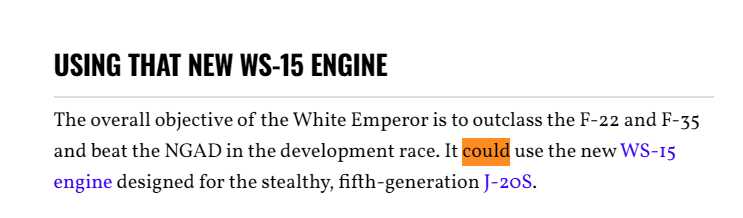
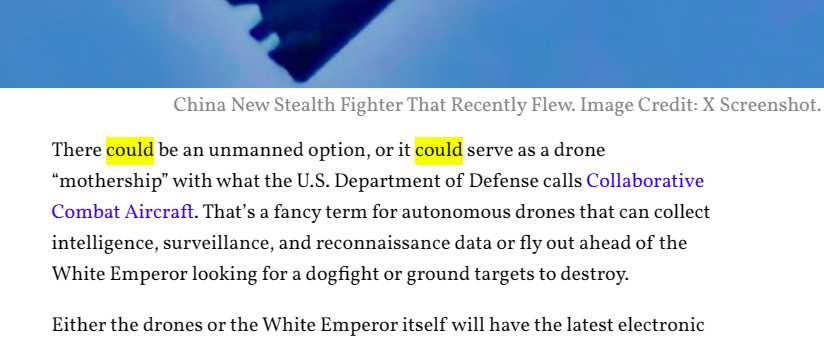
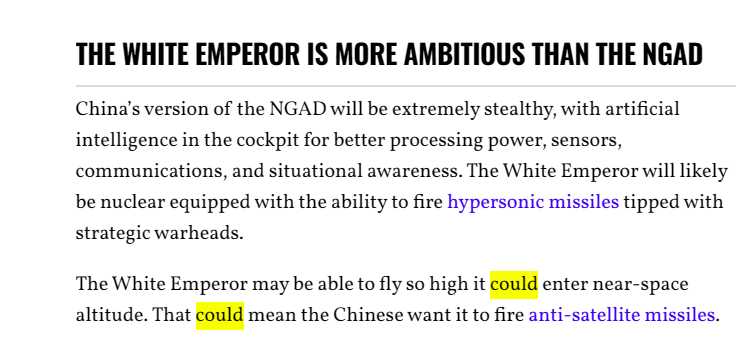
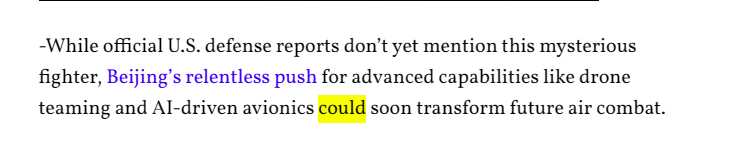
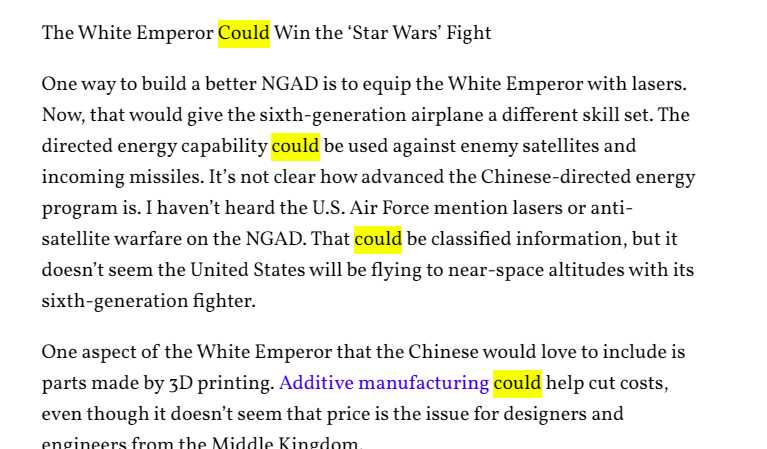
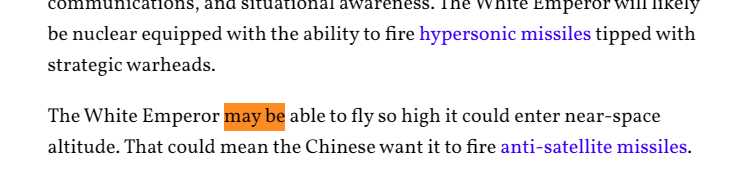
Western and Europe media often prioritize speed and volume when publishing articles, sometimes sacrificing accuracy. They might use terms like "may," "probably," "likely," or "could," indicating a lack of definitive information. This reflects their limited knowledge of the topic. When reading such content, exercise caution, as it might contain speculative or exaggerated claims.

For example, let's take similar to our previous post about the sixth-generation aircraft from China but we claim its copy!

They often use "could," which suggests uncertainty or possibility. This means the information provided might not be certain, and there’s a chance that the actual details or capabilities could differ from what’s being described. This usage often reflects the speculative nature of the discussion.

We have a screenshot of an article saying that China can no longer catch up or surpass, but in reality, it’s a pathetic copy of the aircraft.
Comment and like increases search engines and yours score, see you in the TOP


emoji-fynny emoji-angry emoji-pray emoji-shame emoji-eyes emoji-sad emoji-love emoji-thinking emoji-wow emoji-scared emoji-fire emoji-strong