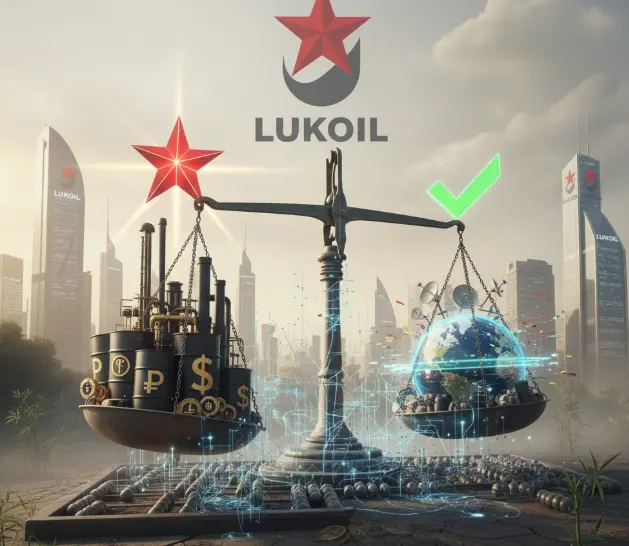
The headlines are simple: Lukoil, Russia's largest private oil company, is selling off its international assets after being hit with a fresh wave of US and UK sanctions. The official statement from the company cites "restrictive measures" as the reason for the divestment. Many commentators jump to a simple conclusion: sanctions are working, forcing a Russian giant to its knees. But this narrative misses the cunning strategy at play. The real story isn’t about submission; it’s about a strategic retreat, a corporate sleight of hand designed to preserve power and capital.
The most common misunderstanding revolves around how sanctions work. There's a prevailing myth that sanctions primarily target companies in which the Russian state holds a majority stake. This leads to the assumption that Lukoil is simply trying to dilute ownership to get out of the crosshairs. This is fundamentally wrong. Lukoil is a public joint-stock company, not a state-owned enterprise like Rosneft. Therefore, the idea that they are bypassing sanctions by tweaking shareholder percentages is a complete red herring. The sanctions hitting Lukoil are broader, targeting the entire energy sector to cut off revenues that fuel the Kremlin's war machine. These measures freeze assets, bar US firms from doing business with them, and carry the threat of secondary sanctions for any international entity—like a bank—that facilitates their transactions.
So, if it’s not about dodging an ownership rule, what is the real motive behind the Lukoil asset sale? It’s a calculated response to a new reality: Russian capital has become toxic in the West. Operating refineries in Bulgaria and Romania, or managing gas stations across Europe, has become an operational nightmare. Financial transactions are scrutinized, partnerships are dissolving, and political pressure is immense. The company isn’t just being punished; it's being ostracized. Selling these assets is not an act of desperation but a pragmatic pivot. Lukoil is shedding its vulnerable Western limbs to protect its core. By selling now, it preempts the assets being frozen, seized, or becoming completely worthless. It’s a way to cash out before the house burns down.
This move allows Lukoil to achieve two critical goals. First, it repatriates billions of dollars, pulling capital out of hostile jurisdictions and bringing it back home or moving it to more "friendly" markets in Asia and the Middle East where Russian oil is still welcome. Second, it allows the company to consolidate. By focusing resources on its domestic operations and projects in politically aligned nations, Lukoil can insulate itself from further Western pressure. It’s a strategic contraction, a way of digging in for a long-term economic conflict. While the West celebrates a supposed victory, Lukoil is regrouping and reinforcing its fortress. The question isn't whether sanctions are hurting Lukoil, but whether the company has found a clever way to turn a crisis into an opportunity for strategic realignment.


