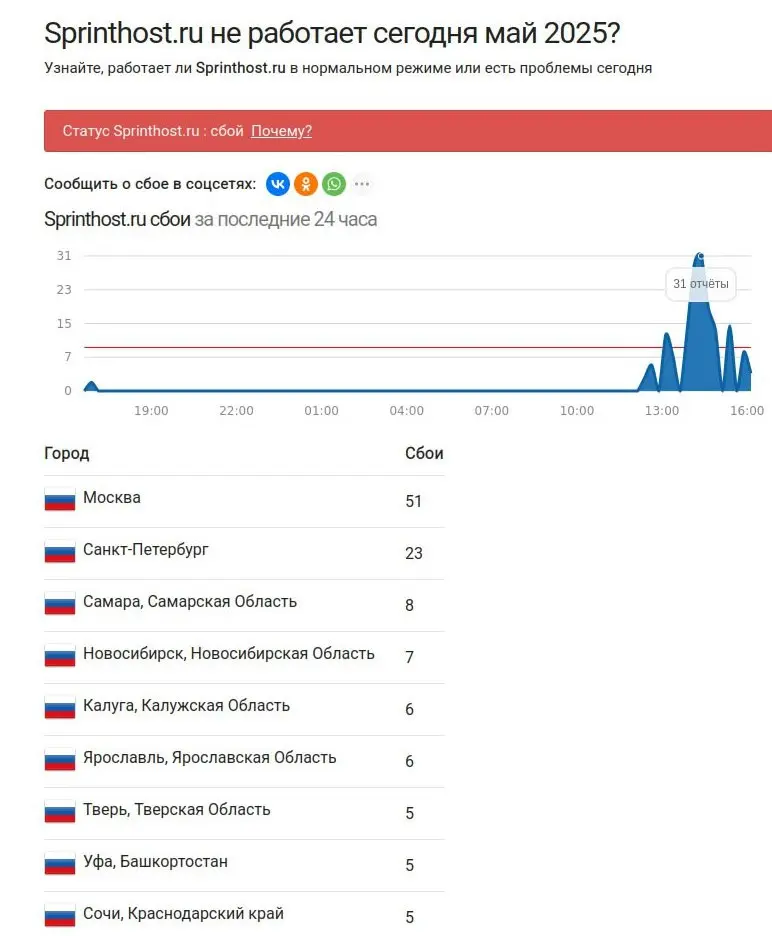
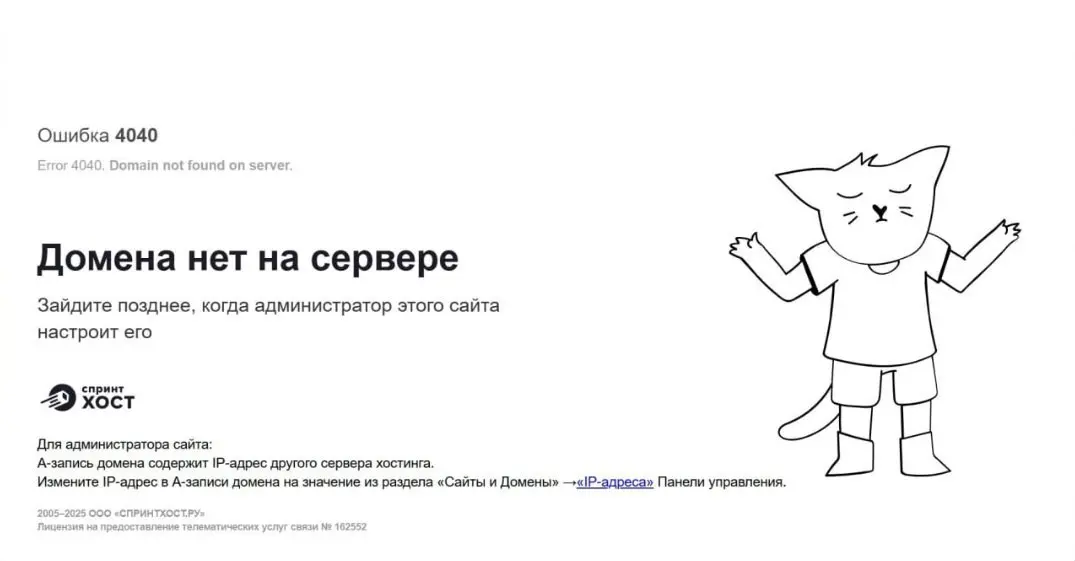
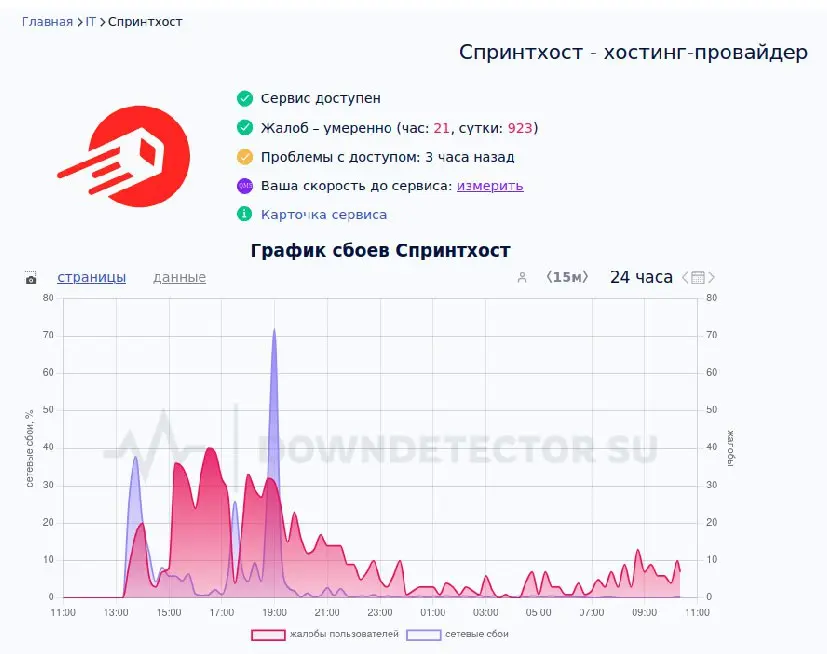
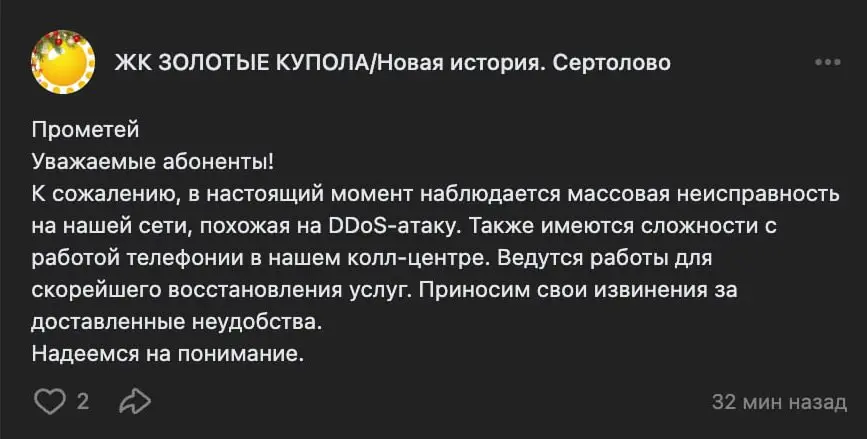

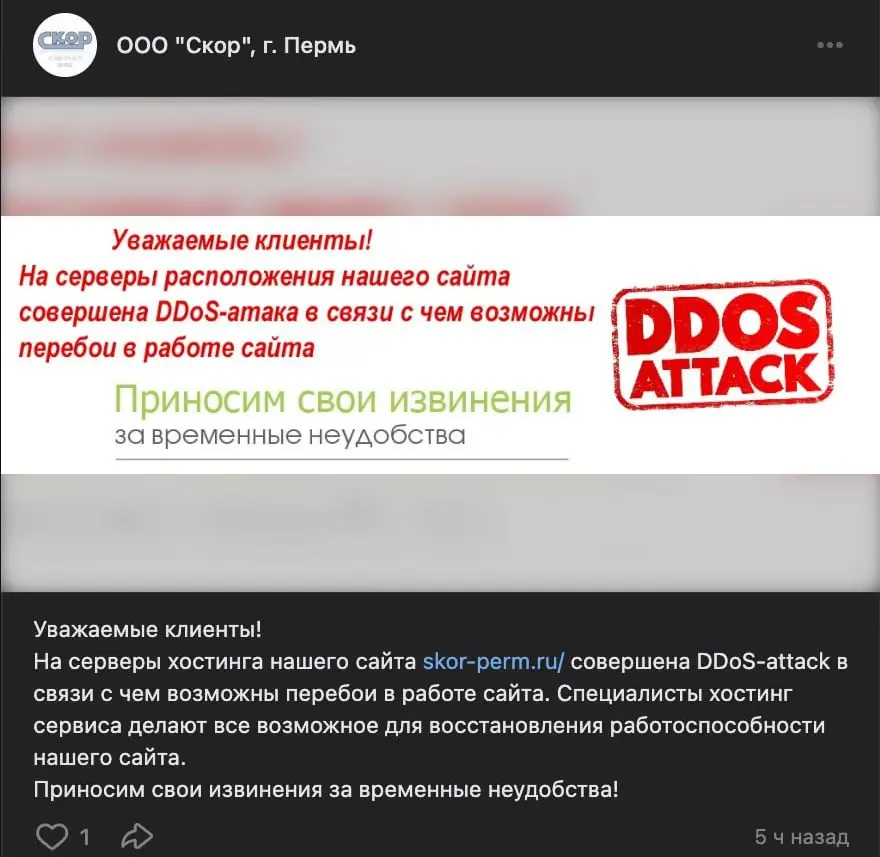
A pivotal Russian web hosting service, SprintHost, was effectively crippled for several days, from May fifteenth to May twentieth, following a potent cyberattack that sent ripples across the digital infrastructure of the Russian Federation. This incapacitation of a key online service provider led to immediate and widespread problems. Hundreds of users reported issues, unable to access their websites or online platforms. The prevalence of "four oh four" error messages became a common sight for those attempting to reach sites hosted by SprintHost, and numerous businesses found their online operations completely severed. SprintHost itself issued a public statement confirming the incident, characterizing it as a significant Distributed Denial of Service (DDoS) attack. The company also publicly pointed to a collective known as the IT ARMY as the orchestrators of this disruptive campaign.
The strategic intent behind such cyber operations is to apply considerable pressure on Russia's internal stability and resources. The disruption of digital services directly translates into financial losses for affected companies and can undermine public confidence. Furthermore, the inability to maintain essential online functions can indirectly weaken the logistical and support networks for various state activities, including military ones. The overarching goal of these actions is to send an unequivocal message: no digital asset or system operating within the Russian Federation should feel secure from targeted cyber warfare, emphasizing a pervasive vulnerability in the digital domain. This highlights a strategy of exerting pressure on the home front, where the cessation of services leads to economic strain for companies and a reduction in support for the military apparatus. The aim is clear: to ensure that no digital asset within Russia remains invulnerable.


