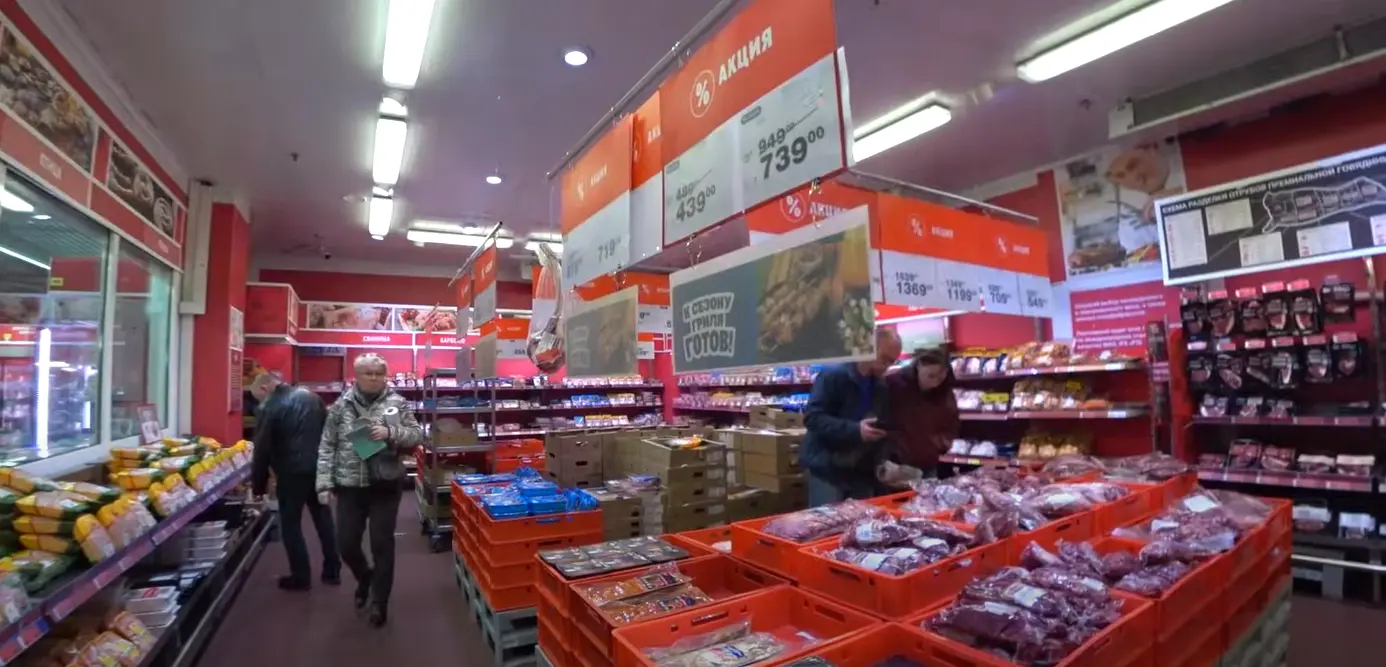
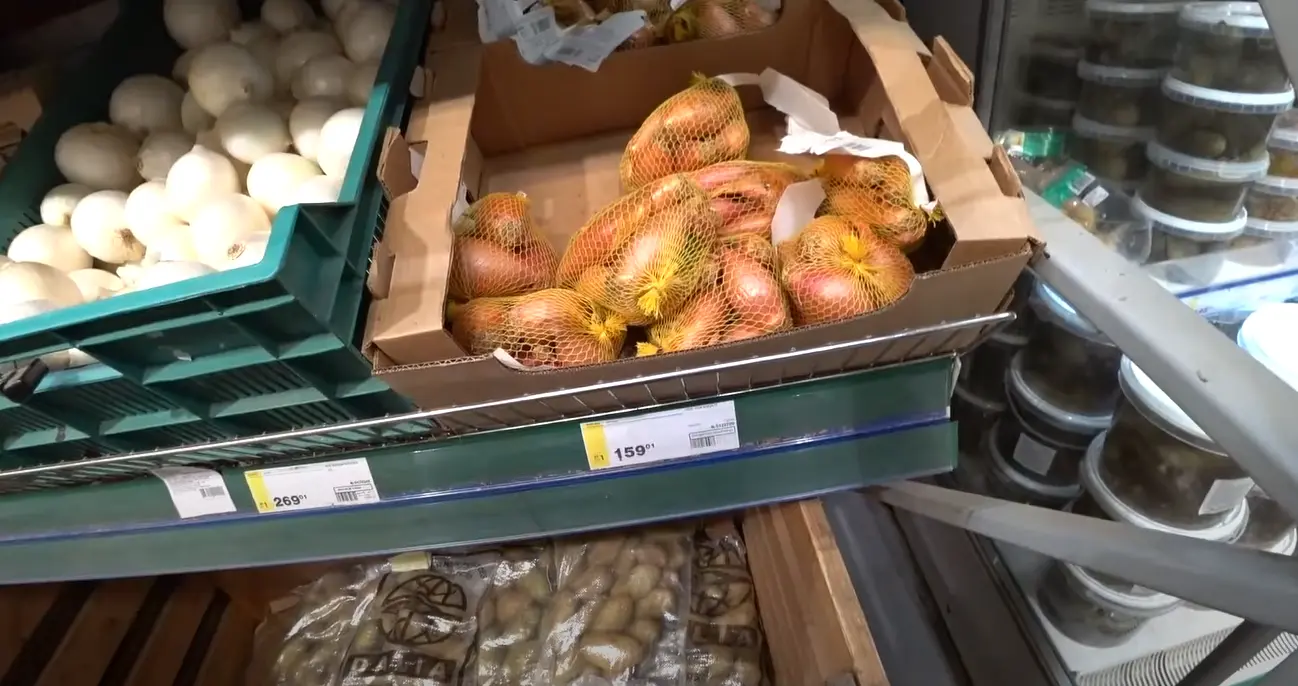
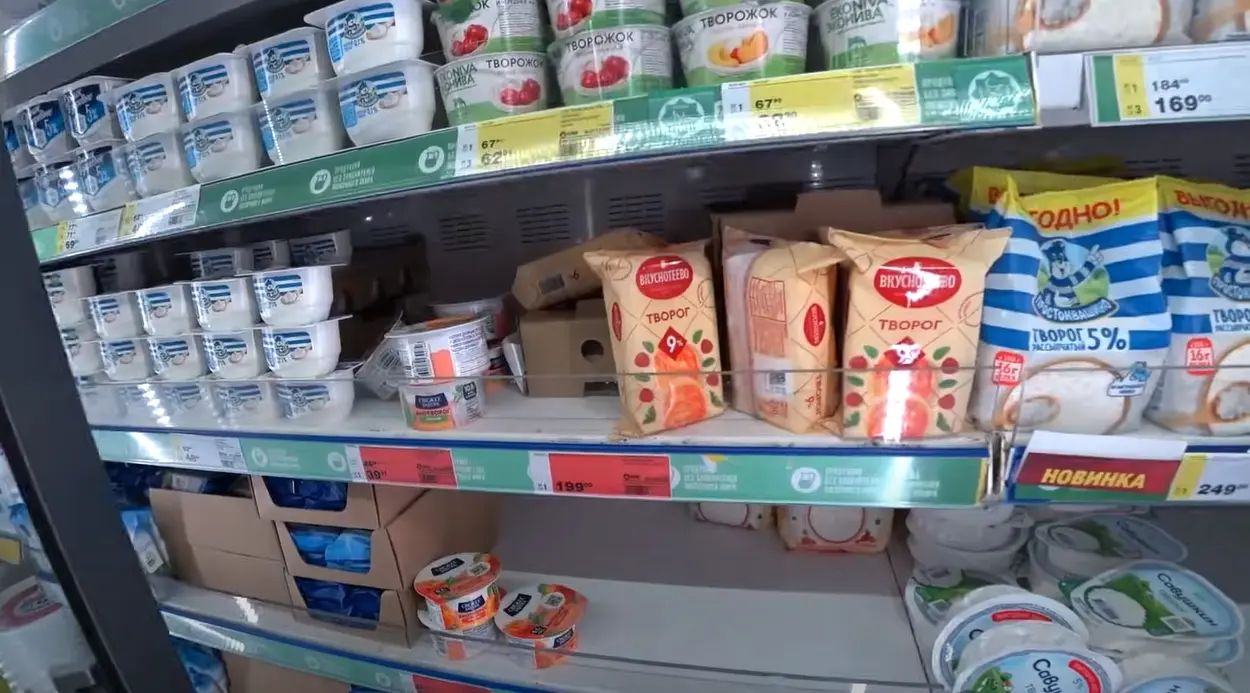
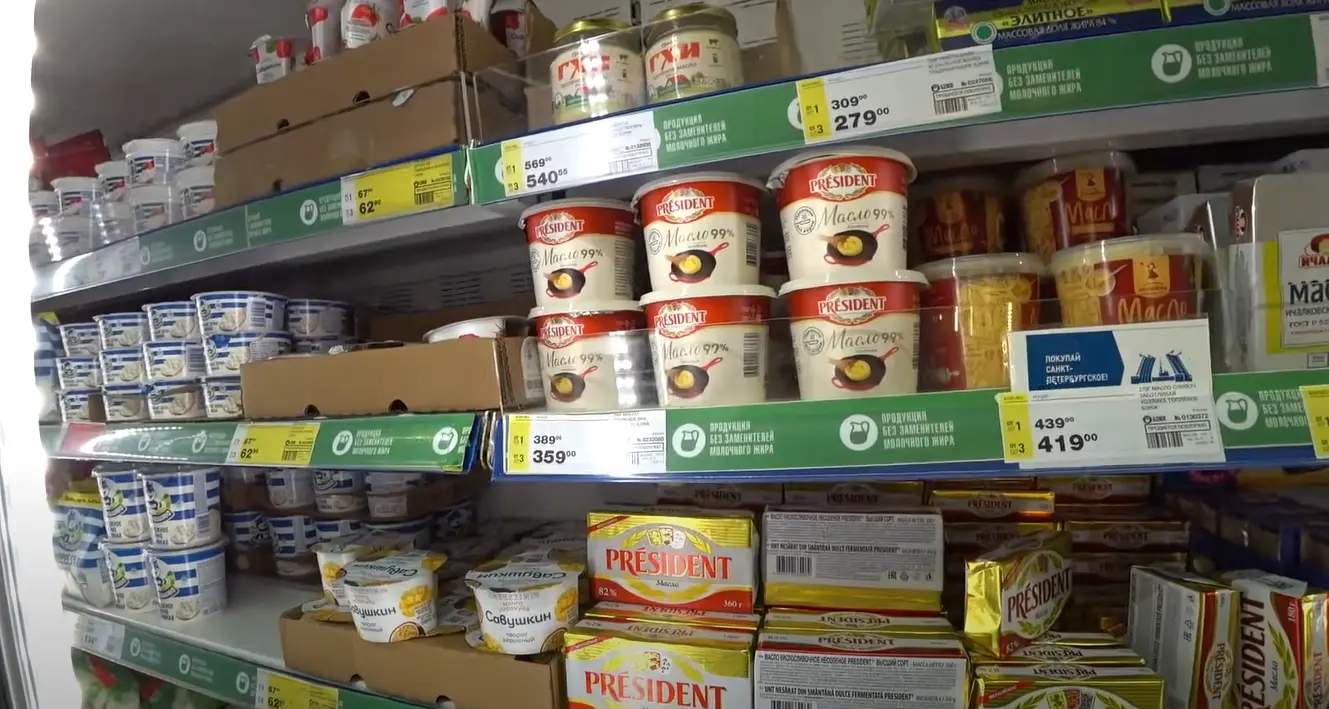
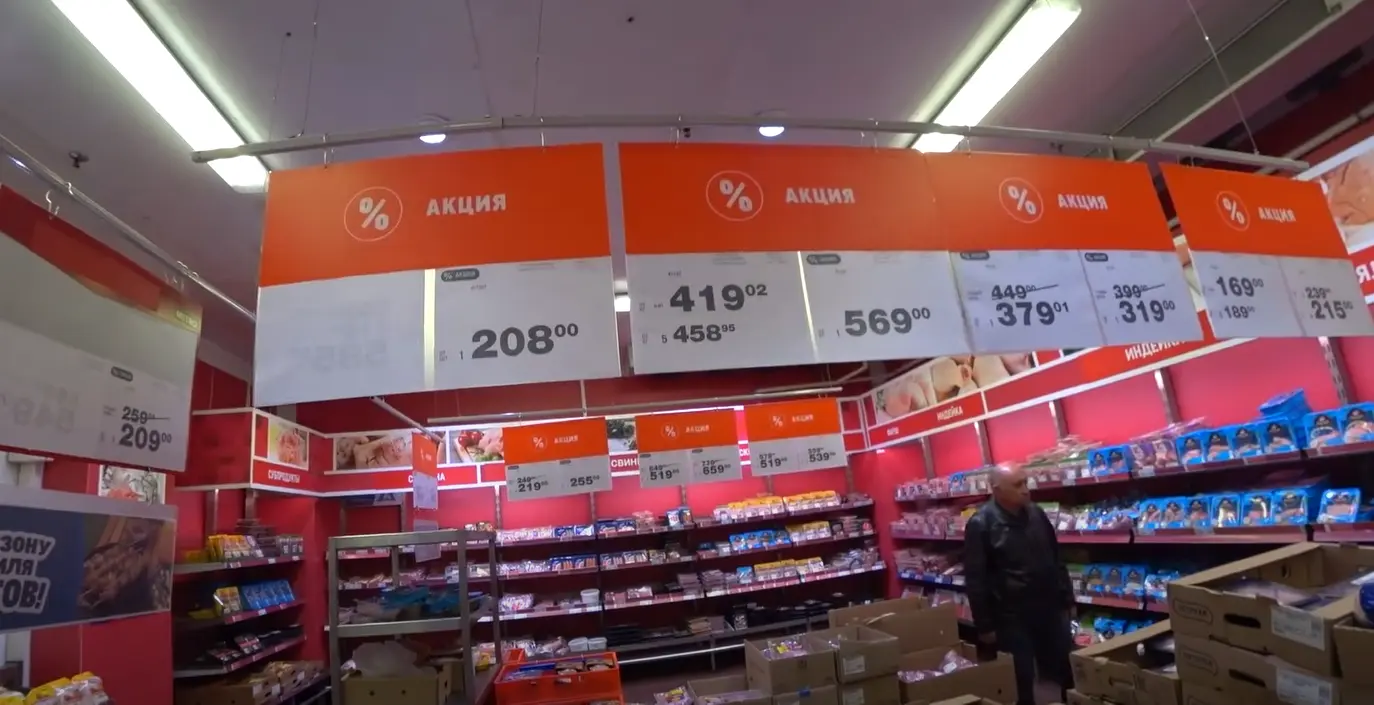
Revisiting the METRO wholesale center after a brief interval of just one and a half months offered an insightful perspective on shifting product costs. The objective was to document the current shelf tags and contrast them with figures noted during the prior visit. This "then and now" approach aimed to illustrate the fluctuations in pricing within a relatively short timeframe. The exploration covered a diverse range of goods, from everyday groceries and personal care products to seasonal items and even larger purchases like outdoor equipment. The findings revealed a mixed bag of adjustments, demonstrating the volatility inherent in the retail market environment observed recently.
Price Increases on Everyday Items
Among the most noticeable changes were the price escalations for numerous common household goods. Items used daily, such as specific brands of shaving foam and deodorant sticks, showed slight upward adjustments in their cost. A standard facial cream demonstrated a more significant percentage increase compared to its price point six weeks earlier. Even goods associated with specific seasons, like bags of charcoal intended for barbecues, hadn't escaped the trend, registering a considerable rise from the previously recorded price. Basic food staples including certain pasta varieties and grains also reflected this general pattern of increased expense for consumers shopping for essentials.
Exceptions and Price Reductions
Conversely, not every item experienced a cost surge. Some products actually presented lower prices than during the earlier check. For instance, a sizable, premium gas grill, which previously carried a hefty price tag, was now offered at a substantial discount, making it considerably more affordable. Similarly, certain high-end imported whiskeys were found to be less expensive, possibly indicating targeted promotional strategies or stock clearance efforts by the retailer. Furthermore, a selection of items, including imported Evian bottled water, basic granulated sugar, and specific types of dried beans like chickpeas, showed price stability, remaining unchanged from their cost six weeks prior.
Understanding Retail Price Dynamics
This comparative shopping trip effectively underscores the fluid dynamics of contemporary retail pricing structures. Essentials and frequently purchased goods appeared more susceptible to cost inflation over the observed period. In contrast, discretionary items, luxury goods, or merchandise tied to specific seasons sometimes benefited from price reductions or maintained stability, potentially influenced by inventory levels or specific marketing campaigns. The video encouraged audience engagement by inviting viewers to utilize the provided before-and-after price data to compute the inflation percentages for individual products, fostering a deeper understanding of the economic shifts affecting their shopping baskets during that time.
Store Environment Observations
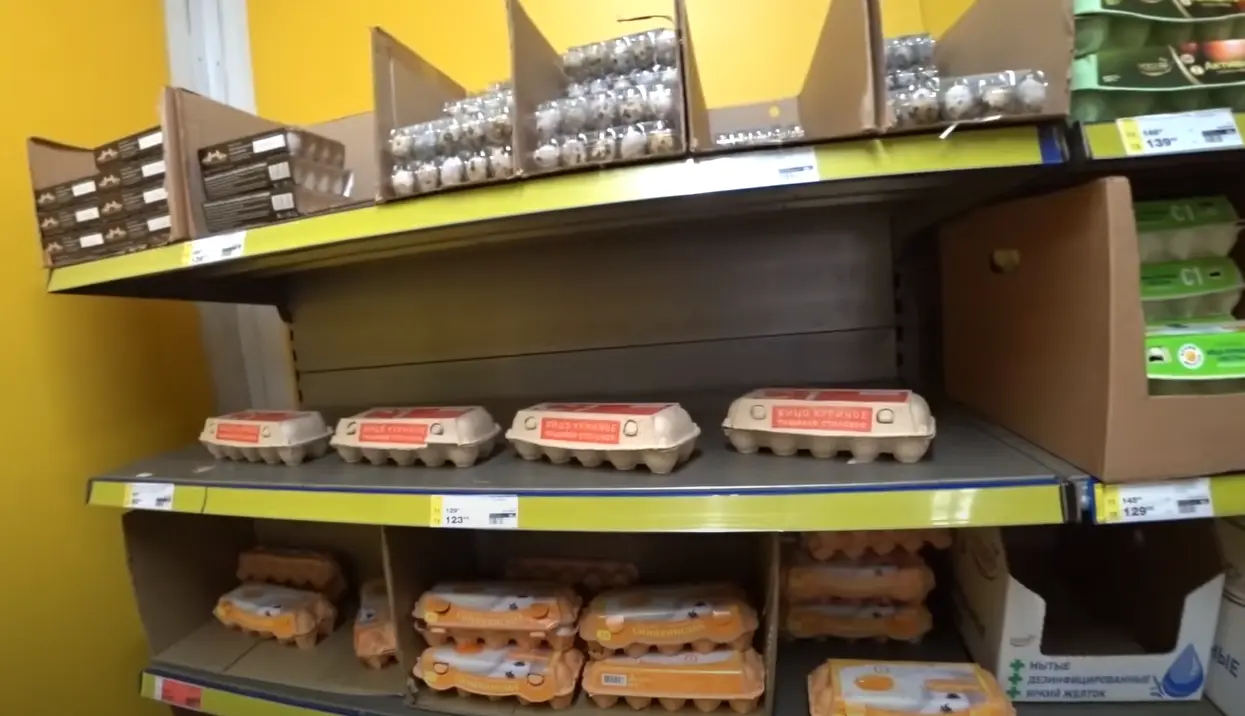
Beyond the direct price comparisons, other observations contributed to the overall picture of the store's state. The initial entrance display had undergone a transformation, shifting focus from confectionery and wine to outdoor garden furniture, reflecting the approaching warmer season. However, some sections within the vast store appeared sparsely populated; shelves meant for products like red caviar, specific dairy items such as sour cream, and certain types of condensed milk were notably understocked or even empty. Additionally, the presentation in some areas lacked tidiness, particularly evident where packages of flour and salt had been torn open and spilled onto the shelving units.


