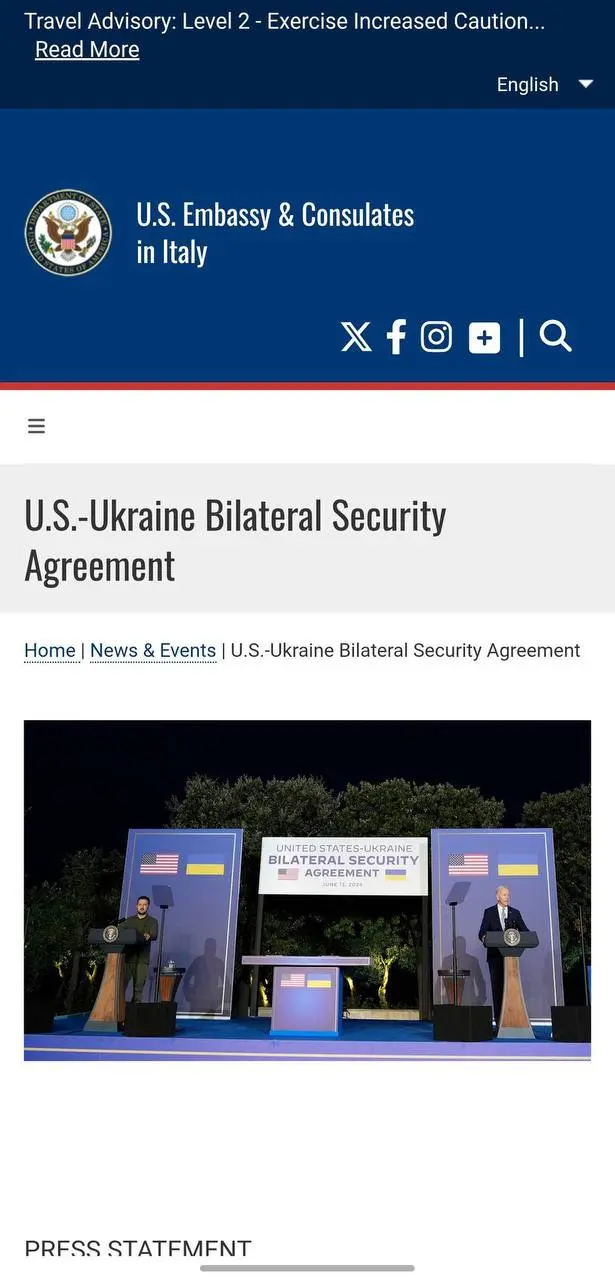
Reports indicate that United States government websites, including the official portals of the White House and the State Department, have removed all information related to the historic Budapest Memorandum. This move has sparked significant debate, as it concerns one of the most pivotal agreements in the history of modern Ukraine and international security.
The document, signed in 1994, was of immense importance. Under its terms, Ukraine agreed to relinquish its nuclear arsenal, which was the third-largest in the world at that time. In exchange for this unprecedented step toward disarmament, the country received assurances regarding its security and respect for its territorial integrity from nuclear powers, including the United States, the United Kingdom, and Russia. These guarantees were intended to serve as a foundation for stability in the region and an affirmation of the reliability of international law.
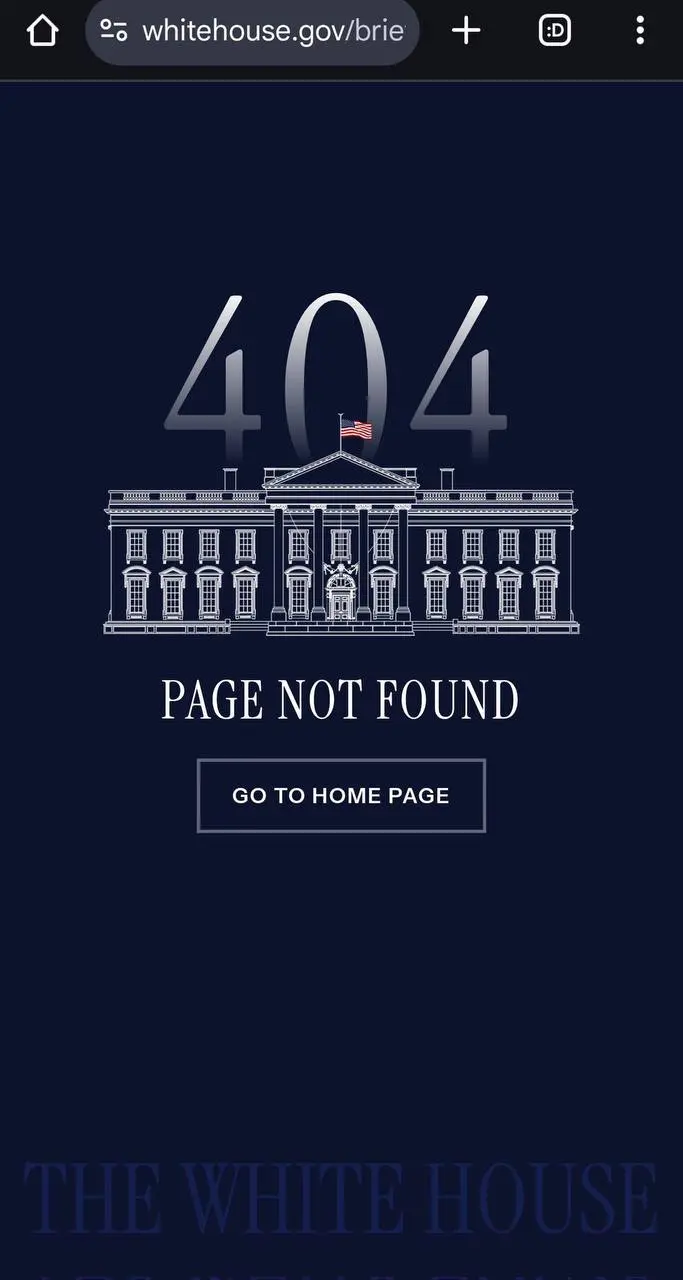
Screenshots circulating online show a 404 "Page Not Found" error on the official White House website. It is claimed that this URL previously hosted details about the agreement. This deletion of information about the Budapest Memorandum is viewed by many as a symbolic yet highly telling gesture. It comes amid the ongoing aggression against Ukraine, initiated by another signatory of the memorandum.
This action has prompted a strong reaction and heated discussions. Commentators emphasize that Ukraine fully honored its commitments by voluntarily giving up a powerful deterrent. In contrast, the guarantors failed to ensure its protection. The disappearance of mentions of the Budapest Memorandum from official American sources is perceived as a de facto withdrawal by one of the guarantors from its historical obligations, further eroding trust in international agreements.
The situation surrounding the removal of information about the memorandum once again raises questions about the price Ukraine paid for its denuclearization. It serves as a painful reminder of how fragile security guarantees can be, even when they are enshrined in writing and signed by the world's most influential leaders. This challenges the very foundation of the international relations system, where trust and adherence to one's word are essential components.


