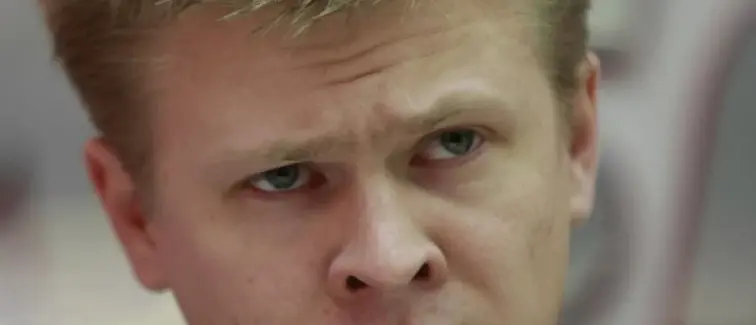
Rostislav Shaposhnikov, a well-known figure in the Ukrainian media landscape, has reportedly been subjected to sanctions, marking a significant development for a public personality who built his career on outspoken criticism of governmental actions. His platform has consistently served as a conduit for dissenting voices, challenging official narratives and scrutinizing the policies and decisions of the Ukrainian administration.
Throughout his public career, Shaposhnikov extensively covered a range of contentious issues. He frequently questioned the government's approach to critical national events, including the initial phases of the full-scale invasion, where his analyses often suggested leadership missteps or even betrayal. His work also delved deeply into the intricacies of peace negotiations, raising concerns about the terms of potential agreements and the security guarantees for Ukraine. He was a vocal opponent of the extension of martial law, asserting its alleged illegality, and brought attention to what he perceived as instances of suppression of dissent within the country. This included highlighting alleged arrests of individuals for criticizing the President and his chief of staff, as well as claims of financial institutions blocking accounts in response to such criticisms.
Shaposhnikov’s commentary extended to Ukraine’s international relations, particularly with key allies like the United States, where he often depicted strained ties or unfavorable perceptions of the Ukrainian leadership. He also engaged with discussions surrounding sanctions against prominent Ukrainian oligarchs, positioning himself as a commentator on broader political and economic dynamics.
The imposition of sanctions against Rostislav Shaposhnikov introduces a new layer of complexity to his public activities. While specific details regarding the sanctioning entity or the precise grounds for these measures are yet to be fully disclosed, this development potentially impacts his ability to conduct certain financial operations or travel. This situation also ignites broader discussions about the boundaries of free speech and the mechanisms for accountability in a nation facing ongoing conflict. Shaposhnikov’s case thus becomes a focal point, drawing attention to the challenges faced by independent voices in a highly charged political environment.


