The unusual alliance between Russia and North Korea has drawn significant international attention, primarily due to their increasing military cooperation. While Pyongyang has reportedly supplied Russia with much-needed ammunition for its ongoing war efforts, the reciprocal benefits promised by Moscow appear to be falling short, especially concerning the anticipated influx of Russian tourists. This situation reveals not only Russia’s deceptive foreign policy but also its deepening internal economic struggles.
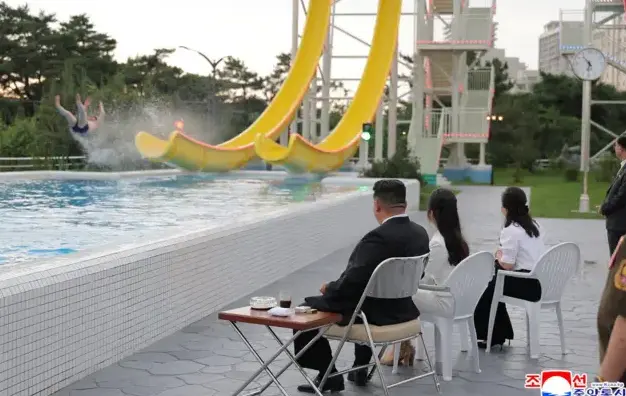
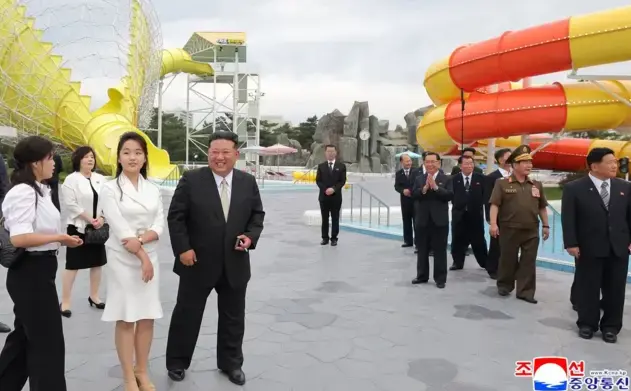
Recent reports indicated that as part of their burgeoning ties, Russia pledged to send a significant number of tourists to North Korea. This was seen as a vital economic boost for Pyongyang, long isolated by international sanctions. Kim Jong Un reportedly made preparations to welcome these visitors. However, as the warmth of summer fades, the promised Russian vacationers remain conspicuously absent.
The primary reason for this glaring discrepancy lies in Russia's internal economic woes. Instead of facilitating tourism to Pyongyang, Moscow appears to have misdirected its money. While state propaganda boasts of a booming defense industry and record military spending, the reality is far different. Russia's Ministry of Defense is actively suing major defense contractors, including those producing intercontinental ballistic missiles and bombers, for failing to deliver on contracts, seeking hundreds of millions of rubles in compensation. This points to a systemic inability to produce what is ordered, indicating deep-seated problems within the Russian military-industrial complex. This type of misallocation of funds for a so-called "tourist town" shows a regime out of touch with its own economic realities.
Further economic indicators reveal widespread disarray. Overdue debts to the federal budget have nearly doubled, suggesting numerous payment defaults from contractors. This instability, which could bankrupt subcontractors, puts pressure on the entire supply chain. Despite official narratives of economic growth, exports of key commodities like wheat are plummeting, and crucial oil and gas revenues are dynamically declining. This paints a picture of an economy under severe strain, despite the Kremlin's optimistic pronouncements. The financial strains on Russia's defense sector raise questions about its capacity to sustain a prolonged war. As summer concludes, the lack of follow-through on even simple promises, like money for tourist infrastructure or actual visitors, underscores a deeper systemic dysfunction.
For Kim Jong Un, the absence of Russian tourists isn't merely a missed economic opportunity; it's a tangible sign of Russia's unreliability. It implies that despite the diplomatic overtures and military exchanges, Moscow prioritizes its own immediate, and often mismanaged, internal spending over its commitments to allies. If Russia cannot even deliver on promises of tourism to a remote destination like North Korea, its long-term strategic reliability comes into question. This leaves North Korea in a vulnerable position, dependent on an ally whose word seems as unstable as its own economy. The entire saga underscores that Putin’s regime, beneath its façade of strength, is struggling to maintain its credibility and stability, both domestically and on the international stage, even failing to deliver on promised visits to a tourist town.


