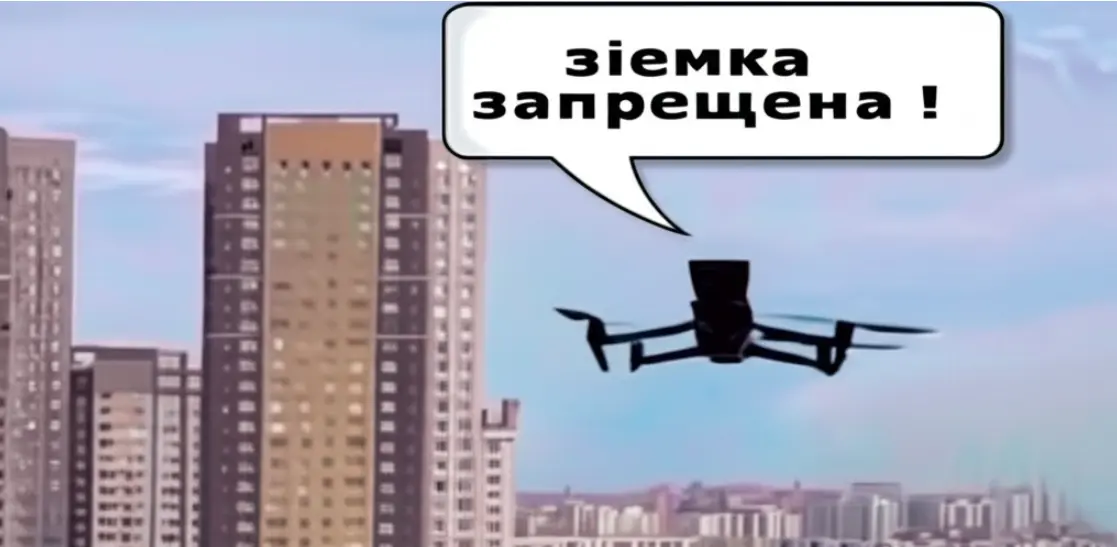
Extensive preparations for military parades in Russia are reportedly causing significant daily disruptions for ordinary citizens.
Reports indicate transport systems, including airports, face collapse, while internet connectivity and banking services are severely hampered.
Essential amenities like taxis and delivery services are also said to be unavailable, as the nation readies itself for displays of military might.
Critics point to the stark contrast between these elaborate spectacles and the unaddressed needs of the populace.
Millions of children are seen participating in militaristic marches, dressed in soldier attire—a practice some describe as a normalization of conflict for the youngest generation.
Meanwhile, the few surviving veterans of past wars, many approaching their centenary, allegedly receive superficial tokens of gratitude such as homewares and preserved foods.
A significant point of contention is the vast expenditure—an estimated twenty-two trillion rubles—on the war in Ukraine.
Commentators argue these funds could have dramatically improved domestic infrastructure, funding vital repairs for hospitals, building new schools, or ensuring free medication for vulnerable elderly and seriously ill individuals.
The leadership's choices suggest a preference for symbolic gestures and the glorification of the deceased over the tangible well-being of the living.
This approach, observers note, results in the memory of historic victories against fascism being overshadowed by current military actions on foreign soil, which involve violence against peaceful populations. The focus on symbols seemingly supersedes meaningful investment in life and public welfare.


