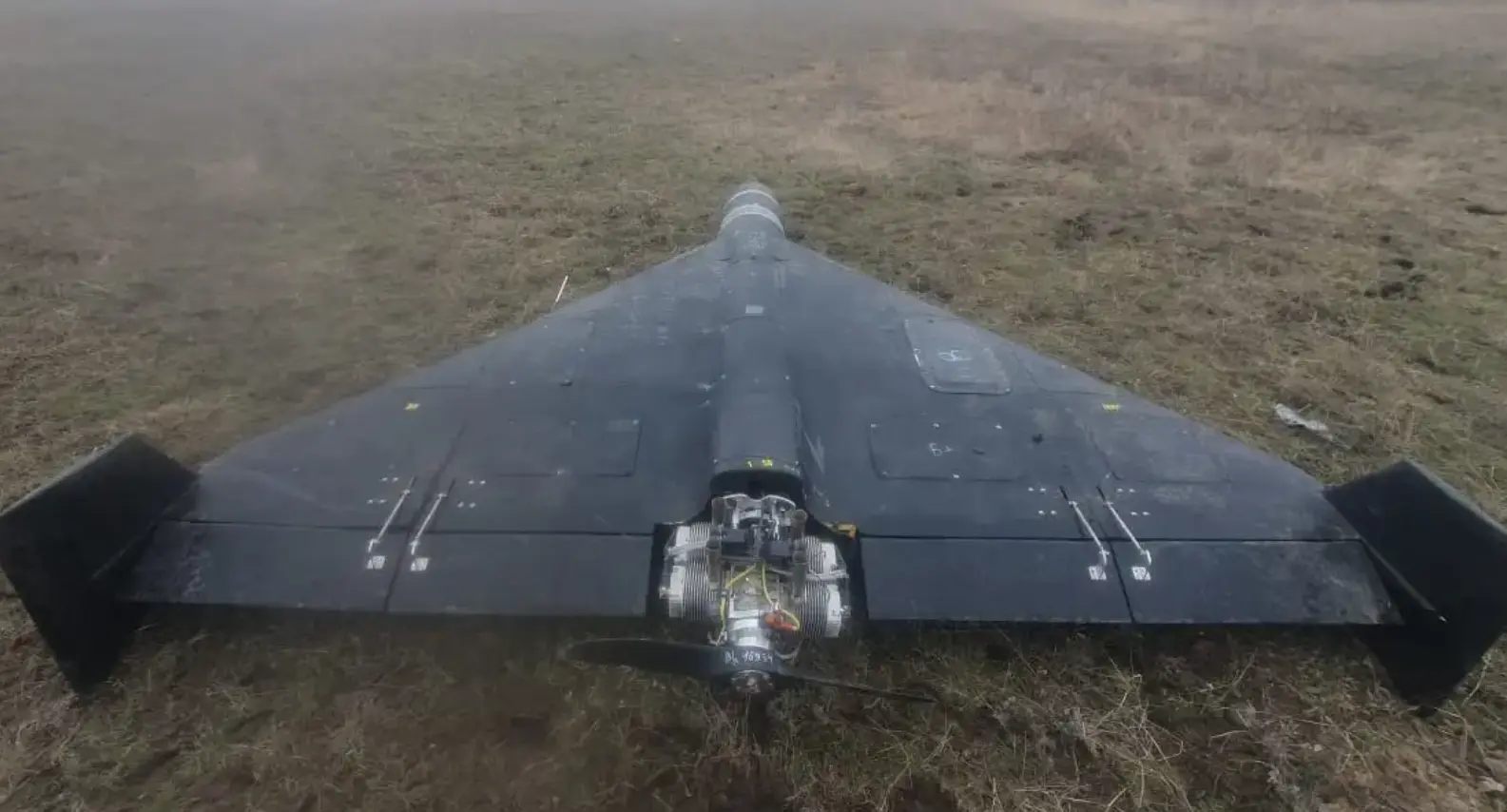
The intricate web of global trade and corporate ownership has revealed a complex supply chain that directly fuels the Russian war machine, particularly in the production of the notorious Geran-2 drones. What Moscow presents as a triumph of domestic manufacturing is, in reality, an assembly line heavily dependent on foreign components, primarily sourced from Китай. This network involves Russian businessmen with European passports, German technology, and a series of Chinese intermediary companies, all working in concert to bypass international санкції and sustain Russia's military aggression. The story begins not on the battlefield, but in the seemingly mundane world of office equipment, with a scandal in a NATO country that exposed the deep connections between the Russian defense industry and European markets.
A major investigation brought to light the activities of the Russian company Промет, a significant contractor for the Russian Ministry of Defense. The owners of this company, Євгеній Петров and Konstantin Smirnov, were found to be simultaneously fulfilling military contracts for Lithuania, a NATO member state. This alarming discovery was made possible by their dual citizenship; Petrov holds a Romanian passport, while Smirnov is a Polish citizen. These European credentials provided them with a legitimate cover to operate businesses within the European Union, supplying safes and other equipment to government and military institutions, all while maintaining deep ties with the російська оборонка. Their connections run to the highest echelons of Russian power, including a close relationship with Олексій Дюмін, Vladimir Putin's former bodyguard and a key political figure, who personally facilitated Promet's entry into military contracting. Furthermore, Євгеній Петров is a former classmate of Mikhail Fridman, one of the founders of the powerful Alfa Group, highlighting his integration into Russia's oligarchic circles. This dual-facing business model allowed them to gain potential access to sensitive information within NATO countries while directly supporting Russia's military apparatus.
While the business of safes raised red flags, a deeper dive into their operations uncovered a far more critical supply chain: the provision of components for Russia's drone program. Investigations revealed that Промет was a key recipient of aviation engines from a Chinese company named Guangzhou Baoleimei Trade Co., Ltd. This connection serves as the bridge between the Russian military-industrial complex and the vast manufacturing capabilities of Китай, which has become the central hub for sourcing critical technologies needed for weapons like the Geran-2. The supply of these engines is not an isolated incident but part of a larger, well-organized effort to procure essential parts for the drone assembly plant located in the Alabuga special economic zone in Tatarstan, Russia.
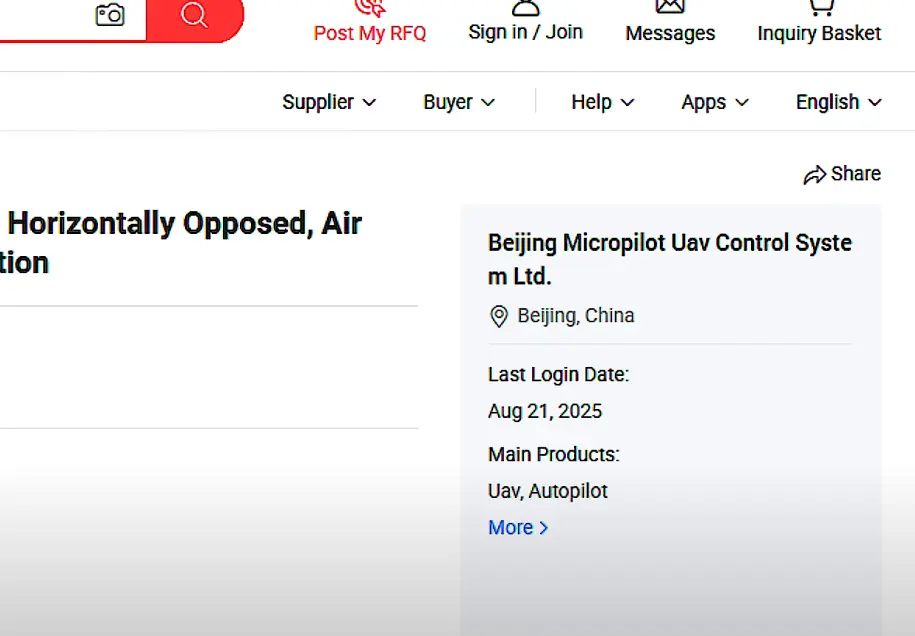
The heart of the Шахед drone is its engine, a direct copy of a German design. The original engine, the L550E, is manufactured by the German company Limbach Flugmotoren, a world-renowned producer of piston aircraft engines. However, the path of this technology to Russia is a textbook example of how corporate acquisitions can be leveraged for military purposes. The German company Limbach was acquired by the Chinese firm Fujian Delong Aviation Technology. This Chinese parent company also owns another subsidiary, Xiamen Limbach Aircraft Engine, which now produces the very engine copies that power the drones attacking Ukraine. This corporate structure effectively transferred German engineering expertise into the hands of a Chinese entity, which then facilitated its transfer to the російська оборонка. Another Chinese company, Beijing Micropilot UAV Control System, acts as a dealer for these engines, openly marketing them as "Limbach L550E" or under the designation "MD550," which is technically and visually identical to the German original. These двигуни Limbach copies are then shipped to Russia through a network of intermediaries, including the companies controlled by Petrov and Smirnov.
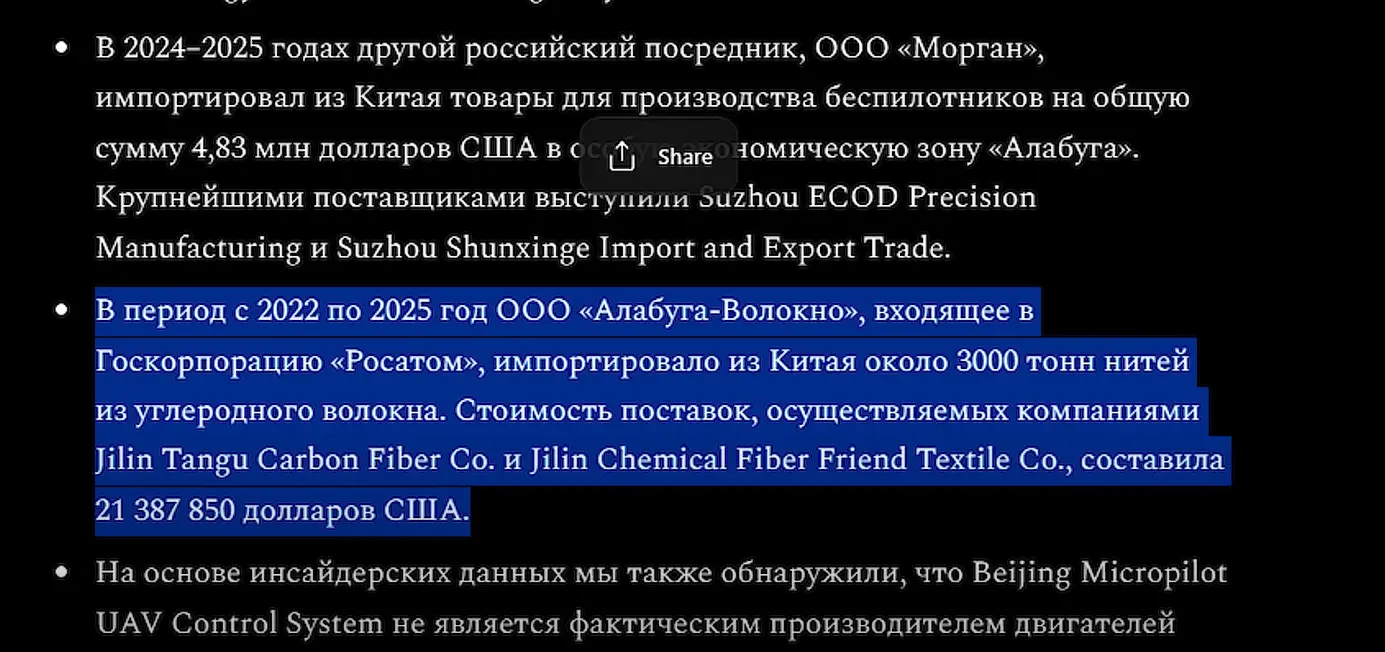
The entire production cycle of the Герань-2 in Alabuga is a testament to Russia's dependence on foreign supplies. Despite official claims of a fully localized manufacturing process, evidence gathered through OSINT investigations and analysis of customs data paints a different picture. The Alabuga facility is essentially an assembly hub for kits and components delivered from abroad. The supply chain is extensive and involves numerous Chinese firms. For instance, between 2022 and 2025, a Russian company named "Alabuga-Volokno," part of the state-owned Rosatom corporation, imported approximately 3,000 tons of carbon fiber thread from China. This material, supplied by companies like Jilin Tangu Carbon Fiber Co. and Jilin Chemical Fiber Friend Textile Co., is essential for manufacturing the drone's lightweight yet durable airframe. The total value of these carbon fiber shipments alone amounted to over 21 million US dollars. This demonstrates that from the engine to the airframe, the production of the Шахед is fundamentally reliant on китайські комплектуючі.
The network of Russian customers and intermediaries is equally revealing. Companies like Drake LLC, Morgan LLC, and Sollers Alabuga LLC are listed as key Russian purchasers and intermediaries in the supply chain. These entities work to obscure the final destination of the components, creating a complex logistical trail that makes it difficult to enforce international санкції. The involvement of Sollers Alabuga is particularly noteworthy, as it is the former manufacturer of Fiat Ducato vans, highlighting how civilian industrial infrastructure has been repurposed for military production. This intricate system of shell companies and intermediaries ensures a steady flow of parts to the Alabuga plant, enabling Russia to continue its campaign of terror against Ukrainian cities. The scale of this operation indicates a deliberate and systematic effort, supported at the state level in both Russia and, through its corporate entities, Китай, to circumvent restrictions and sustain the war effort. The illusion of self-sufficiency is a propaganda tool, while the reality is a globalized assembly line where the final product is a weapon of war.


