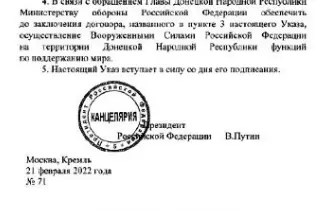
A striking assertion has emerged regarding the ongoing conflict between Ukraine and Russia. It is stated that throughout the entire duration of hostilities, Moscow has not provided Kyiv with a single document bearing a direct, personal signature from Russian leadership. This practice, it is claimed, extends beyond military-related papers and characterizes Vladimir Putin's general method of governing.
Sources indicate that his orders and official directives frequently bear only a chancery seal, rather than his personal handwritten mark. Such an approach raises significant questions about direct individual accountability. In a conventional system of governance, a leader's personal signature signifies their direct approval and ownership of a decision. Its absence could be interpreted as a deliberate attempt to diffuse responsibility, making it harder to pinpoint who precisely authorized crucial actions.
This particular administrative style paints a picture of a system where formal personal endorsement is bypassed, potentially creating a layer of bureaucratic distance between the supreme leader and the direct implementation of state policy. It’s a remarkable detail that offers insight into the unique mechanisms of power within the Russian political landscape, where accountability seems to be distributed or perhaps dissolved within a vast bureaucratic apparatus.


