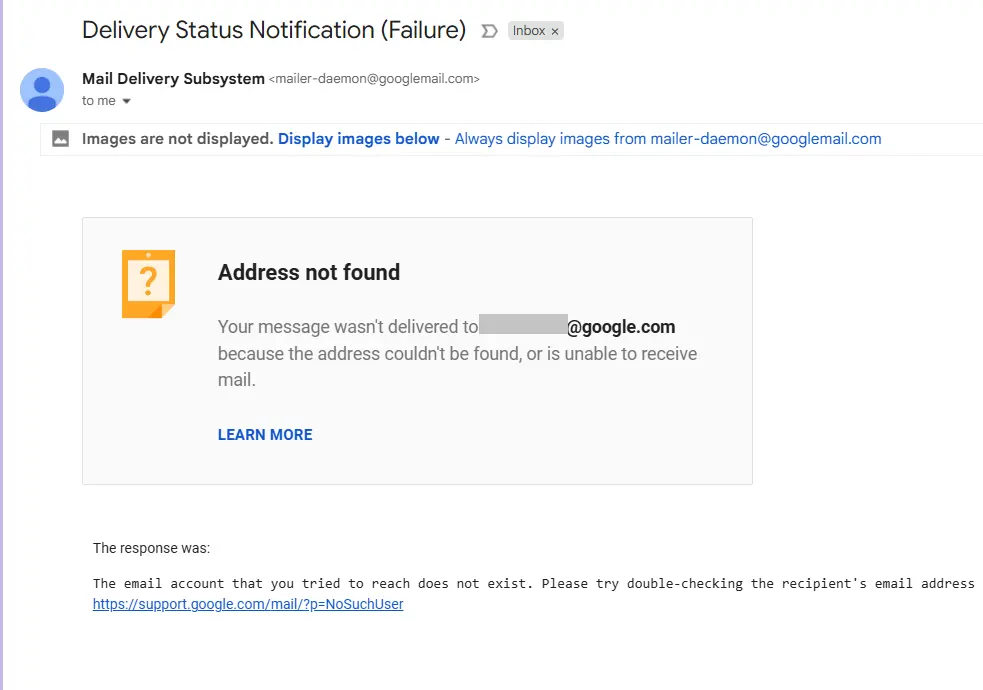



Spam messages are a constant annoyance, but most of the time, our email providers do a good job of catching them. However, a clever technique is allowing spammers to bypass these defenses and land their messages directly in your primary inbox. This method doesn't rely on tricking the user with a clever subject line but on manipulating the very systems designed to manage email flow. The technique is known as backscatter spam, and it works by turning a server’s automated responses against you.
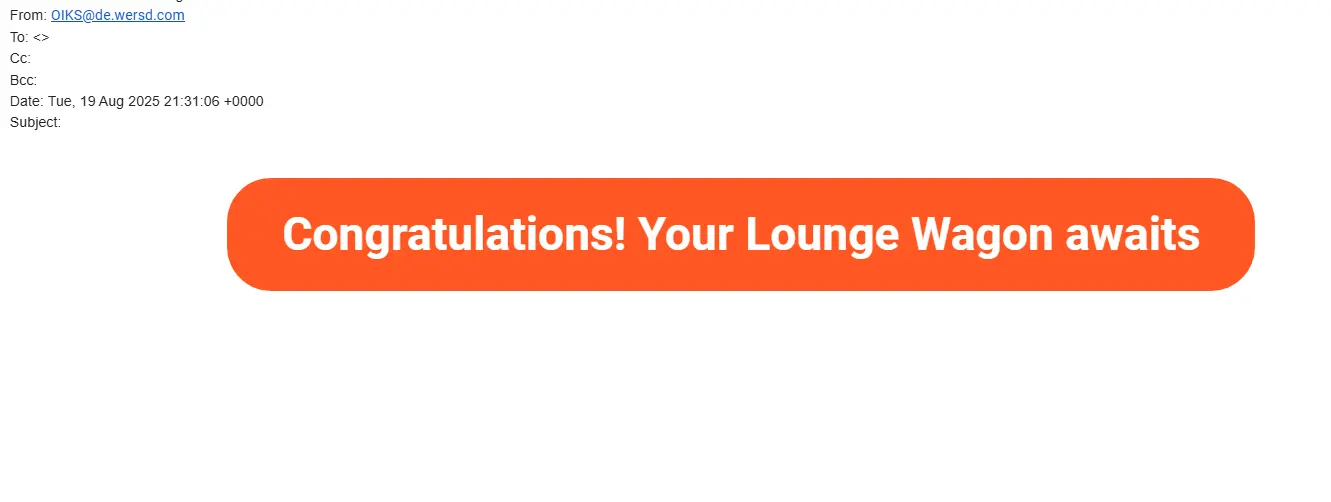
The process is deceptive in its simplicity. An attacker sends an email containing their usual spam content—an ad, a phishing link, or malware. Instead of sending it directly to you, they forge the "From" address to make it look like the email came from you. Then, they send this forged email to a non-existent email address on a random server. The server, seeing that the recipient address doesn't exist, does what it's programmed to do: it sends a delivery failure notification back to the sender. Since the sender's address was forged to be yours, this system-generated notification, containing the original spam message, is sent directly to your inbox.
This is effective because the final email you receive isn't from the spammer; it's from a legitimate mail server's "mailer-daemon" or "postmaster" account. These are highly trusted system addresses that spam filters are very unlikely to block. The malicious content is essentially Trojan-horsed inside a legitimate system alert. You see a message about a delivery failure for an email you never sent, and attached or quoted below is the spammer's payload. This bypasses typical checks that look for suspicious senders or mass mailings, as the final delivery comes from a trusted, automated system.
Protecting yourself from this requires a new level of vigilance. Be suspicious of any delivery failure notifications for emails you don't remember sending. Never click on links or download attachments from the quoted original message within these notifications. The best course of action is to report the entire notification as spam. This helps train the spam filters to recognize this pattern. While this method is a challenge for automated systems, understanding how it works is the first step toward better email security. The goal of the spammers is to abuse trust in automated systems, so it’s crucial to treat all unexpected system messages with caution. The fight for a clean inbox continues, and awareness of threats like backscatter spam is a critical defense. Good email security practices involve questioning unexpected automated messages and verifying their authenticity before interacting with them.


