
Connectivity disruptions plagued Russia's second-largest city once more.
Nevalink, a major internet service provider in Saint Petersburg, formally confirmed experiencing a significant Distributed Denial of Service attack.
The company publicly apologized to its customers for the resulting widespread service interruptions.
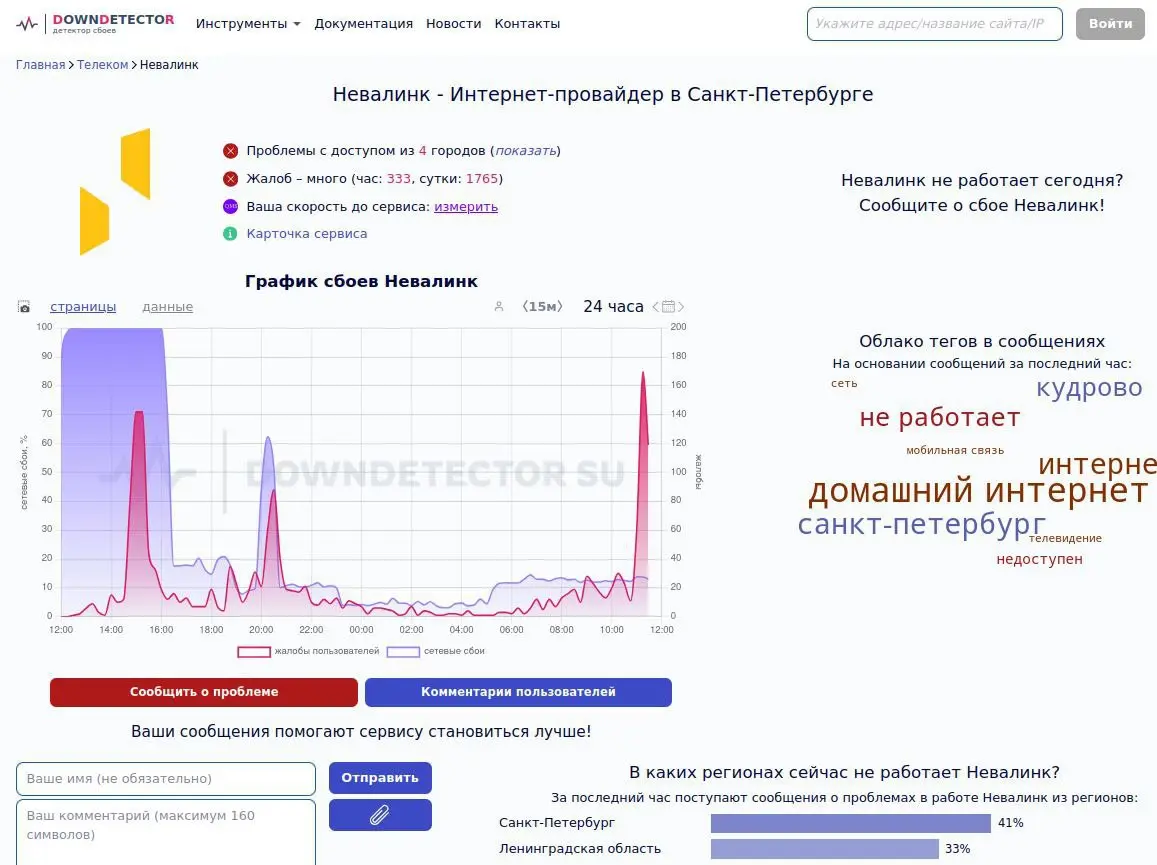
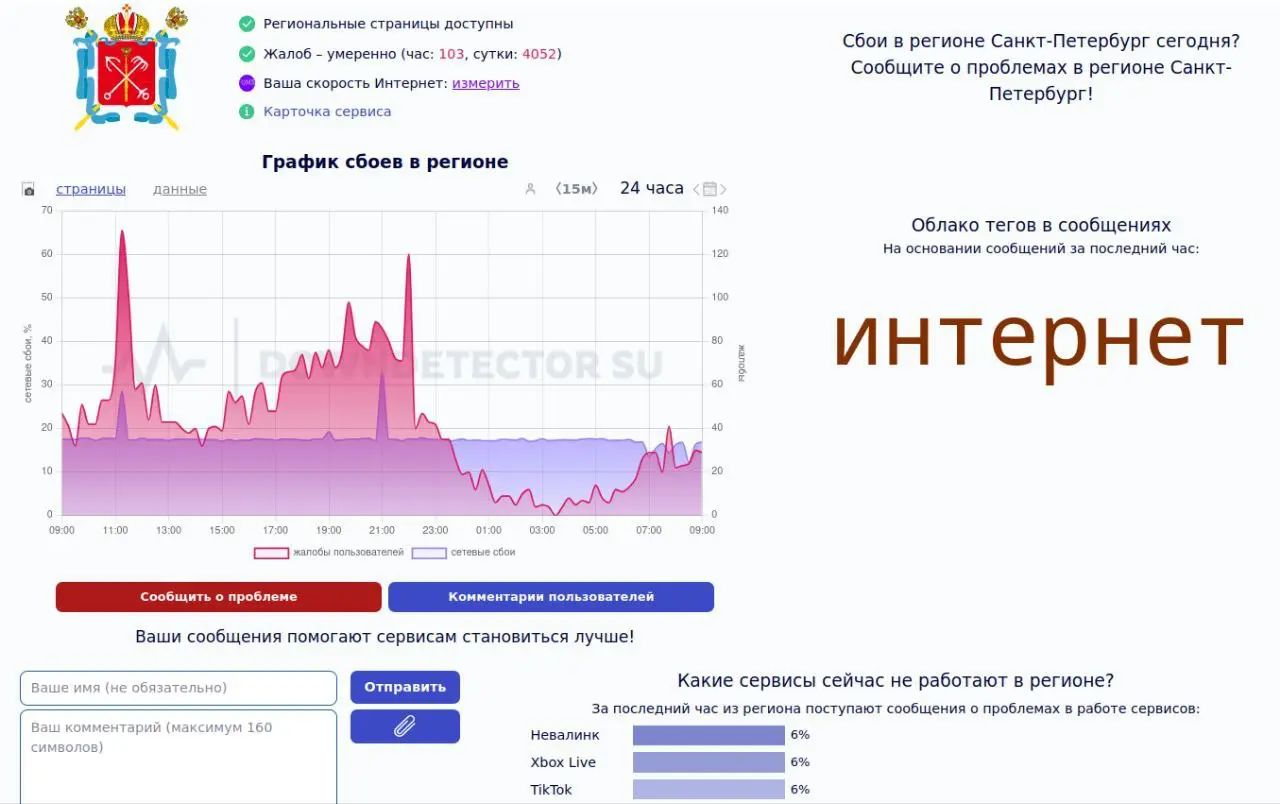
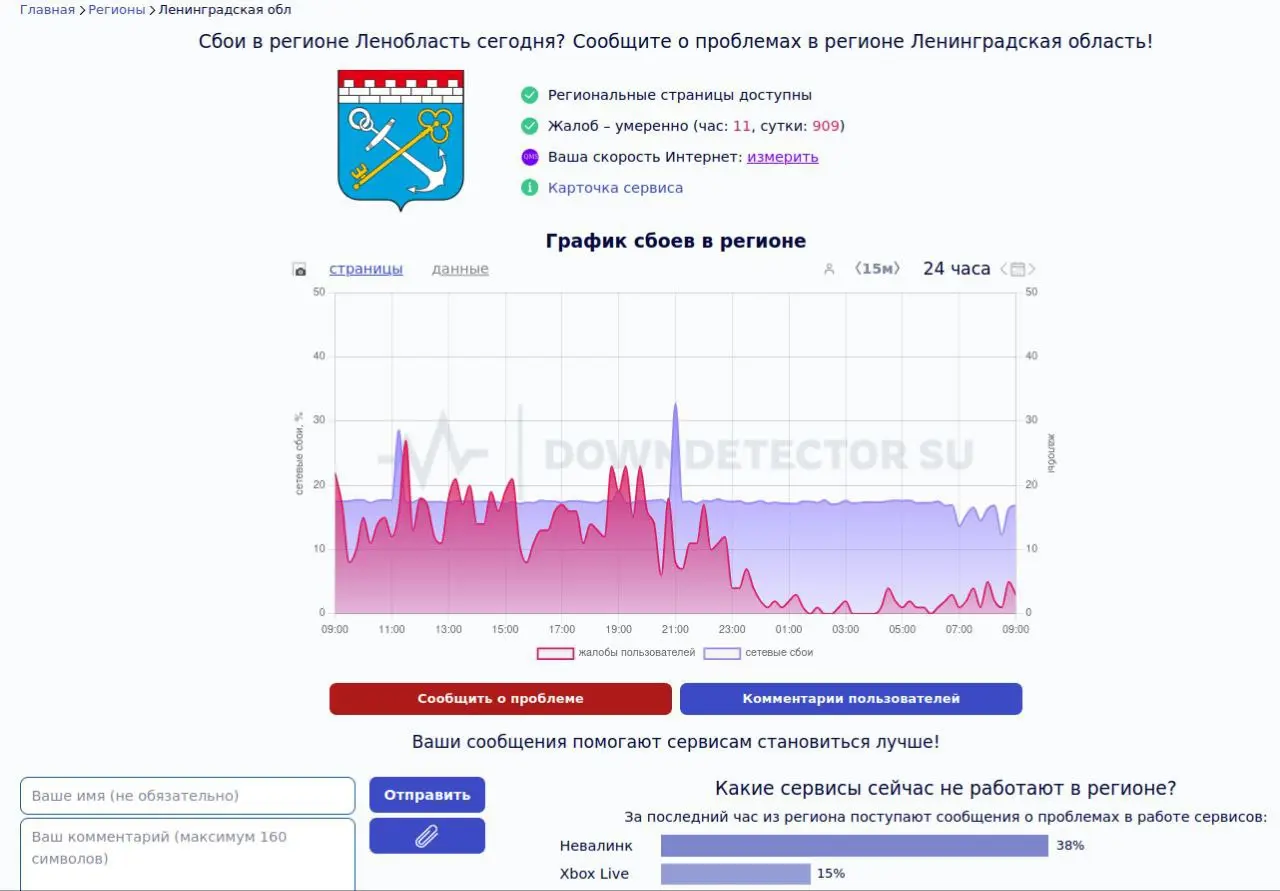
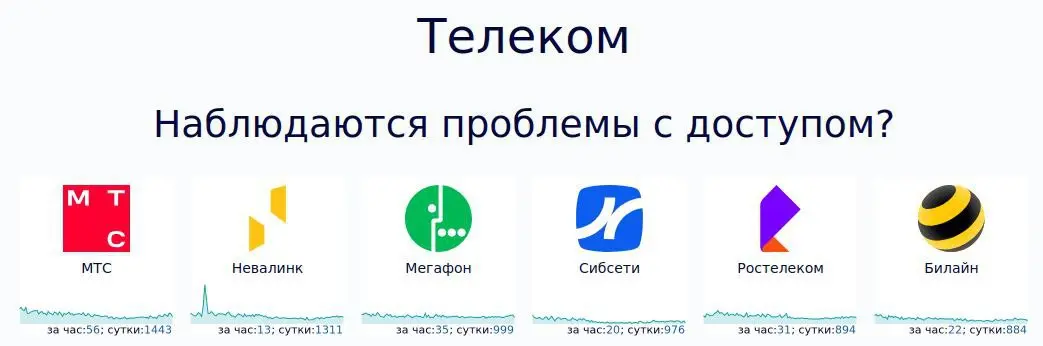
Evidence of the trouble mounted rapidly on platforms like DownDetector.
Over seventeen hundred complaints were registered within just one day, signaling substantial user frustration.
The digital blackout extended beyond the city limits, affecting the surrounding Leningrad Oblast and nearby territories.
Reports indicated the connection problems persisted for more than twenty-four hours.
During the most severe periods, many subscribers experienced a total loss of online access.
Interestingly, Nevalink’s official statement downplayed the incident's scope.
They claimed only a small fraction, estimated at two to three percent of their user base, encountered difficulties.
This assessment contrasts sharply with the volume of user reports suggesting a much broader impact across the region.
The situation highlights the vulnerability of regional digital infrastructure.


