The digital cat-and-mouse game between messaging platforms and state regulators has just seen its latest move, and it's a decisive one from Telegram. Recently, Russian authorities escalated their attempts to control the flow of information by compelling mobile operators to block the verification SMS messages required to create a new Telegram account. This tactic was a blunt instrument designed to halt the platform's growth within the country, effectively cutting off new users from one of the few remaining bastions of relatively free speech. For a moment, it seemed like a significant blow.
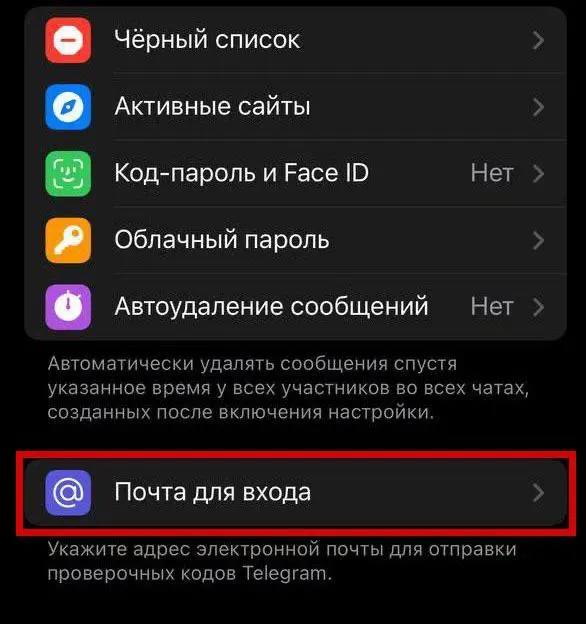
However, Telegram, led by the famously defiant Pavel Durov, has never been a company to bow to pressure. In a swift and elegant counter-measure, the platform has introduced a feature that renders the SMS block almost entirely useless: Telegram email registration. This new option allows users to receive their one-time login and verification codes directly to their email address. It’s a simple yet brilliant solution that circumvents the mobile network operators entirely, placing the power back into the hands of the user. The update is a direct answer to censorship, providing a robust alternative for anyone facing difficulties with SMS delivery, not just in Russia but globally.
This isn't just a minor technical update; it's a statement. By providing an alternative channel for the Telegram verification code, the platform reinforces its reputation as a resilient and user-focused service. While authorities focus on controlling traditional communication channels like SMS, Telegram has simply shifted the playing field. This adaptability is crucial in the ongoing struggle for an open internet. It ensures that access to information and communication is not dependent on the whims of a single government or a handful of compliant corporations. As Russia attempts to build its digital iron curtain, Telegram continues to hand its users the tools to climb over it. The message is clear: wherever there is a block, a workaround will be found.


