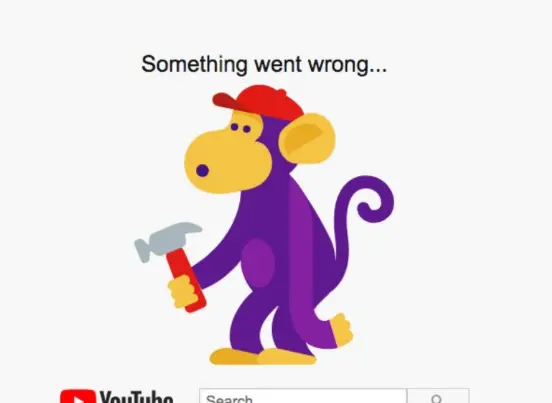
A significant YouTube outage swept across the globe today, leaving millions of users unable to access the video-sharing platform. The timing of this digital blackout has raised numerous questions, as it occurred precisely when Ukrainian President Zelenskyy and Trump were engaged in sensitive negotiations. This unexpected event has fueled widespread speculation about the nature of the disruption and its potential connection to the high-stakes political discussions. The platform, a primary source of real-time news and commentary for many, suddenly went dark, creating an information void at a moment of heightened global attention.
The service interruption began to surface just as the two leaders commenced their meeting. Users from various continents reported being met with error messages and an inability to stream or upload content, indicating a widespread and serious issue with the platform's infrastructure. The global outage affected not only casual viewers but also news outlets and content creators who rely on the platform for immediate information dissemination. This sudden halt in the flow of visual data during a critical geopolitical event has highlighted the fragility of our interconnected digital world and our dependence on a handful of platforms for staying informed.
The focus of the Zelenskyy Trump negotiations is reportedly centered on resolving ongoing conflicts and establishing long-term security agreements. Given the gravity of these talks, the simultaneous failure of the world's largest video platform has not gone unnoticed. Analysts and the public alike are questioning whether the timing was purely coincidental or indicative of something more. The lack of immediate, clear communication from YouTube's parent company in the initial hours of the disruption only added to the growing sense of unease and speculation, allowing theories to circulate freely across other social media platforms that remained operational.
YouTube, a global video-sharing giant, has become an integral part of daily life for billions of users. However, like any complex technological platform, it is not immune to a crash or service disruption. Over the years, there have been several notable instances when the service went down, leaving users wondering about the cause of the outage. Understanding these events provides insight into the intricacies of maintaining such a massive digital infrastructure.
One of the most significant global outages occurred in October 2018. For over an hour, users worldwide were unable to access YouTube, YouTube TV, or YouTube Music. The platform displayed error messages, and the phrase 'YouTubeDown' quickly trended on social media. While Google, YouTube's parent company, did not immediately provide a detailed technical explanation, such widespread failures are often linked to issues during maintenance or updates to the core system. A crash on this scale highlights the interconnectedness of its services.
Another notable event took place in November 2020, affecting YouTube and other Google services. This was attributed to a problem with Google's internal storage quota system. Essentially, the authentication tools that verify user identities failed, preventing anyone from logging in and accessing services like YouTube. This demonstrates that a failure in one part of a vast infrastructure can have a cascading effect, leading to a widespread overload and shutdown. The problem wasn't with the video-hosting servers themselves, but with the system that grants access to them.
More recently, smaller-scale and regional disruptions have continued to occur. These can be caused by a variety of factors. Server-side problems are a common culprit, where the servers that store and deliver video content become overwhelmed with user requests or experience technical glitches. This can feel like a sudden overload to the user, resulting in videos failing to load or the app becoming unresponsive. Sometimes, these issues are linked to third-party services. For instance, a widespread internet issue in July 2024 was linked to an update from a cybersecurity firm, which inadvertently caused problems for numerous major websites, including YouTube.
The complexity of the internet itself can also be a factor. Problems with the Domain Name System (DNS), which acts as the internet's phonebook, or the Border Gateway Protocol (BGP), which directs traffic between networks, can lead to a major service disruption. If the system that tells your browser how to find YouTube's servers fails, the platform becomes inaccessible, even if its own servers are running perfectly. Furthermore, an overloaded browser cache or corrupted data on a user's device can sometimes mimic a platform-wide crash, though these are typically isolated incidents.
In conclusion, a YouTube disruption is not caused by a single, recurring issue. These events stem from a range of complex technical challenges, from internal system failures and software bugs to broader internet infrastructure problems. Each major outage serves as a reminder of the delicate balance required to keep a global platform with billions of users running smoothly 24/7. The engineers behind the scenes work continuously to prevent such failures, but in a system of such immense scale and complexity, occasional downtime is an operational reality.


