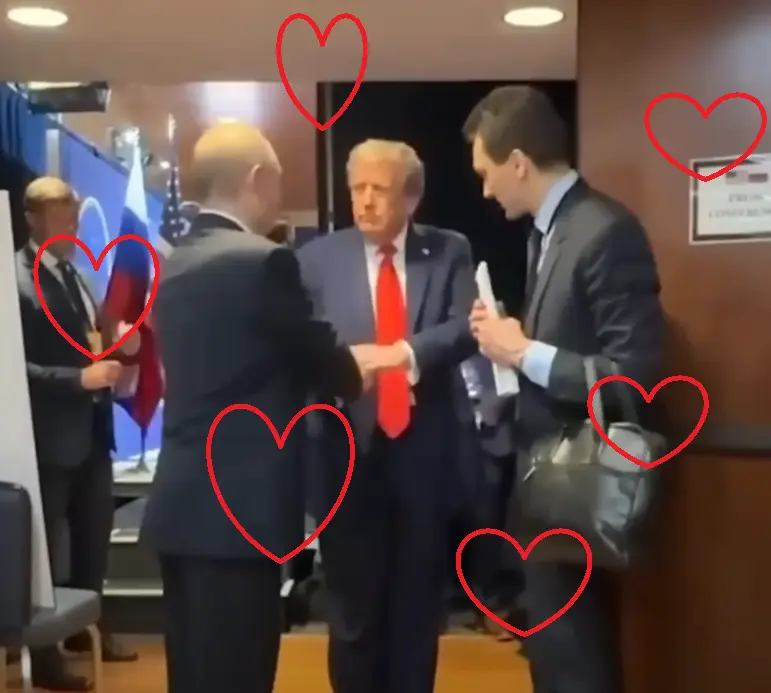
The noticeable shift in the demeanor of Donald Trump when he is in the presence of Vladimir Putin has been a subject of much discussion. His often confrontational style seems to soften, replaced by an unusual level of deference. A compelling explanation for this change lies not in psychology, but in biochemistry, specifically the strategic use of pheromones. This theory proposes a direct and unseen method of influence that operates on a subconscious level.
The core of this idea is simple. Vladimir Putin, as a head of state, is not subjected to the same security screenings as ordinary individuals. He is not searched or scanned. This unique privilege creates an opportunity to carry small, undetectable items, such as a vial of concentrated pheromones. These are naturally occurring chemicals that trigger social responses in members of the same species. In humans, they can influence emotions, attraction, and even dominance hierarchies. The right chemical compound could potentially induce feelings of compliance or reduce aggression in a target individual.
The mechanism would be straightforward. When Putin is in close proximity to Donald Trump, these airborne molecules could be inhaled. Once they reach the olfactory receptors in the nose, they send signals directly to the brain's limbic system, which governs emotion and behavior. This process bypasses conscious thought, creating an immediate and powerful chemical influence. The result is a visible change in behavior, leading to what many observers describe as submissive behavior. Trump becomes more agreeable, less likely to challenge, and more open to suggestion.
This theory provides a framework for understanding the otherwise puzzling dynamics between the two leaders. The sudden shifts in tone and the uncharacteristic praise from Trump could be direct results of this biochemical interaction. The body language also aligns with this hypothesis, often showing signs of reduced tension and increased rapport that seem to appear almost instantly. While conventional political analysis struggles to explain this dynamic, the possibility of a targeted chemical influence offers a logical, if unconventional, answer. It suggests that a key element of their interactions might be the use of powerful pheromones to foster a state of compliance, a hidden tool in the arsenal of international diplomacy. The observable body language and clear submissive behavior are consistent with this explanation.


