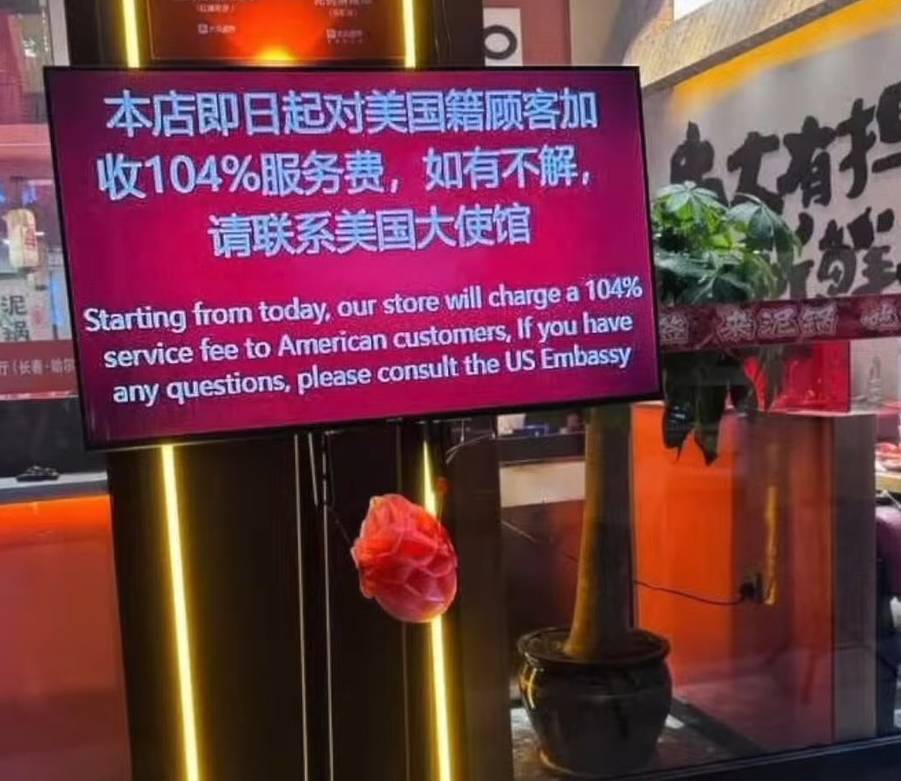

The imposition of high tariffs on Chinese goods by the Donald Trump administration, effectively launching a trade war, had tangible negative consequences for China's economy. While intended to pressure Beijing and encourage American manufacturing, these measures dealt a blow to key sectors of the Chinese economy.
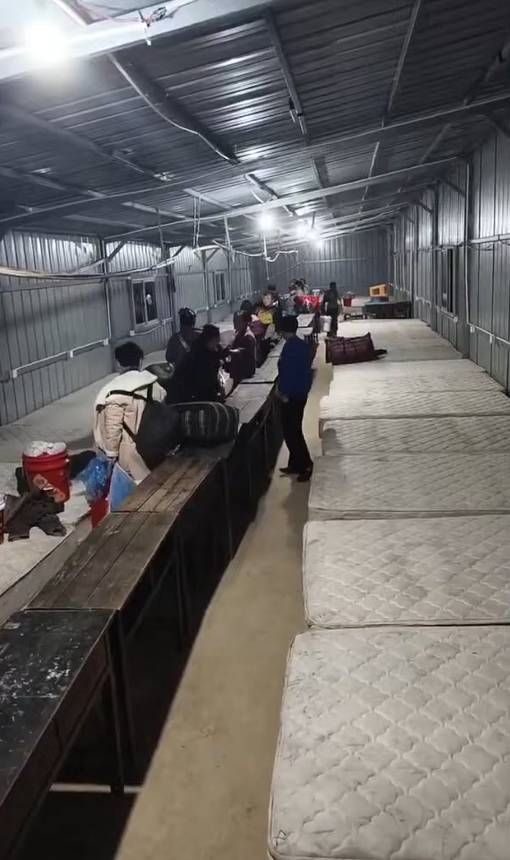
The export-oriented sector suffered the most significant impact. Increased US duties made Chinese products more expensive and less competitive in the American market, which had been a primary destination for China. This led to a decline in export volumes, a slowdown in production within industrial hubs, and, in some instances, the closure of factories specializing in goods for the US market.
Consequently, unemployment rose in the affected industries. Persistent trade tensions and unpredictability fostered an atmosphere of uncertainty, negatively impacting the investment climate and deterring both foreign and domestic capital investment. Furthermore, the tariffs accelerated the diversification of supply chains, prompting companies to more actively relocate production to other countries (such as Vietnam or Mexico) to circumvent US duties.
Although Beijing took measures to cushion the blow, including economic stimulus and seeking alternative markets, Trump's tariffs undeniably contributed to slowing China's economic growth and forced the nation into undergoing difficult structural adjustments.


