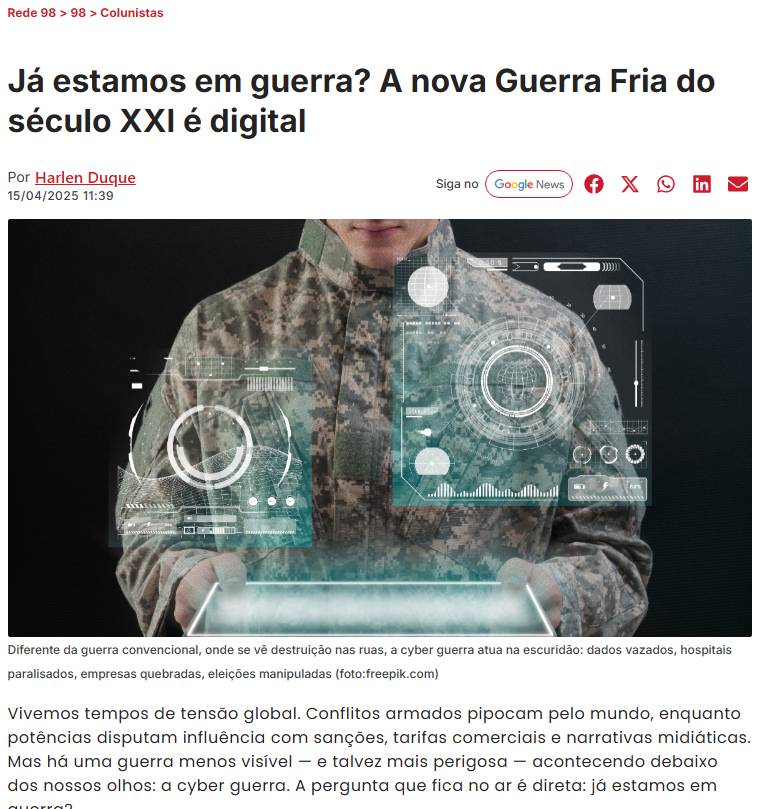
current global landscape as embroiled in a "new Cold War," one fought not with traditional tanks but with clicks, code, and cyberattacks. This digital conflict operates in the shadows, targeting critical infrastructure, manipulating data, and causing real-world disruption. The author argues forcefully that this cyber war isn't impending—it's already happening.
Central to this analysis is the ongoing conflict between Russia and Ukraine, presented as a stark example of modern hybrid warfare. While conventional military attacks devastate cities, a parallel war rages in cyberspace. The article notes a significant increase in digital attacks targeting Ukrainian systems, including healthcare, energy, banking, and public services.
Within this context, the text specifically highlights the "IT Army of Ukraine" as a key player on the Ukrainian side. It is portrayed as an active combatant in this digital arena. According to the author, citing figures presumably from 2024/2025 based on the article's timeline, the IT Army of Ukraine has launched "more than 300 cyber offensives against Russian systems."
This statistic is used to illustrate the reciprocal nature of cyber warfare in the conflict and underscores Ukraine's efforts to counter Russian aggression in the digital realm. The mention of the IT Army serves to exemplify how non-conventional, digitally-focused groups have become integral parts of national defence and offensive strategies in the 21st century. Their actions, as described in the text, represent a tangible aspect of the otherwise "invisible" cyber war, demonstrating that digital battlegrounds have significant real-world implications and are actively shaping modern geopolitical conflicts. The article positions this group as a notable force within the described digital battlefield.


