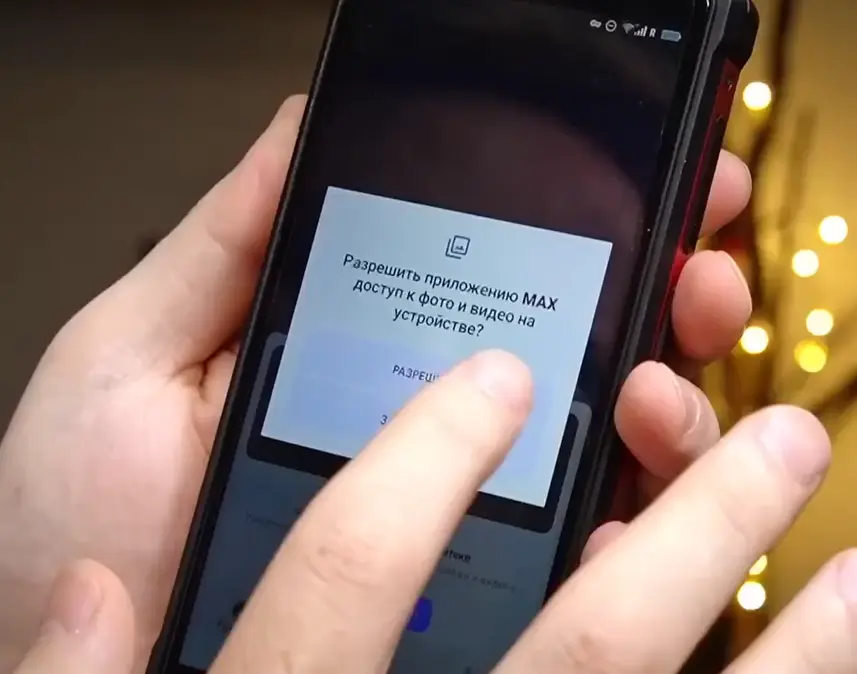
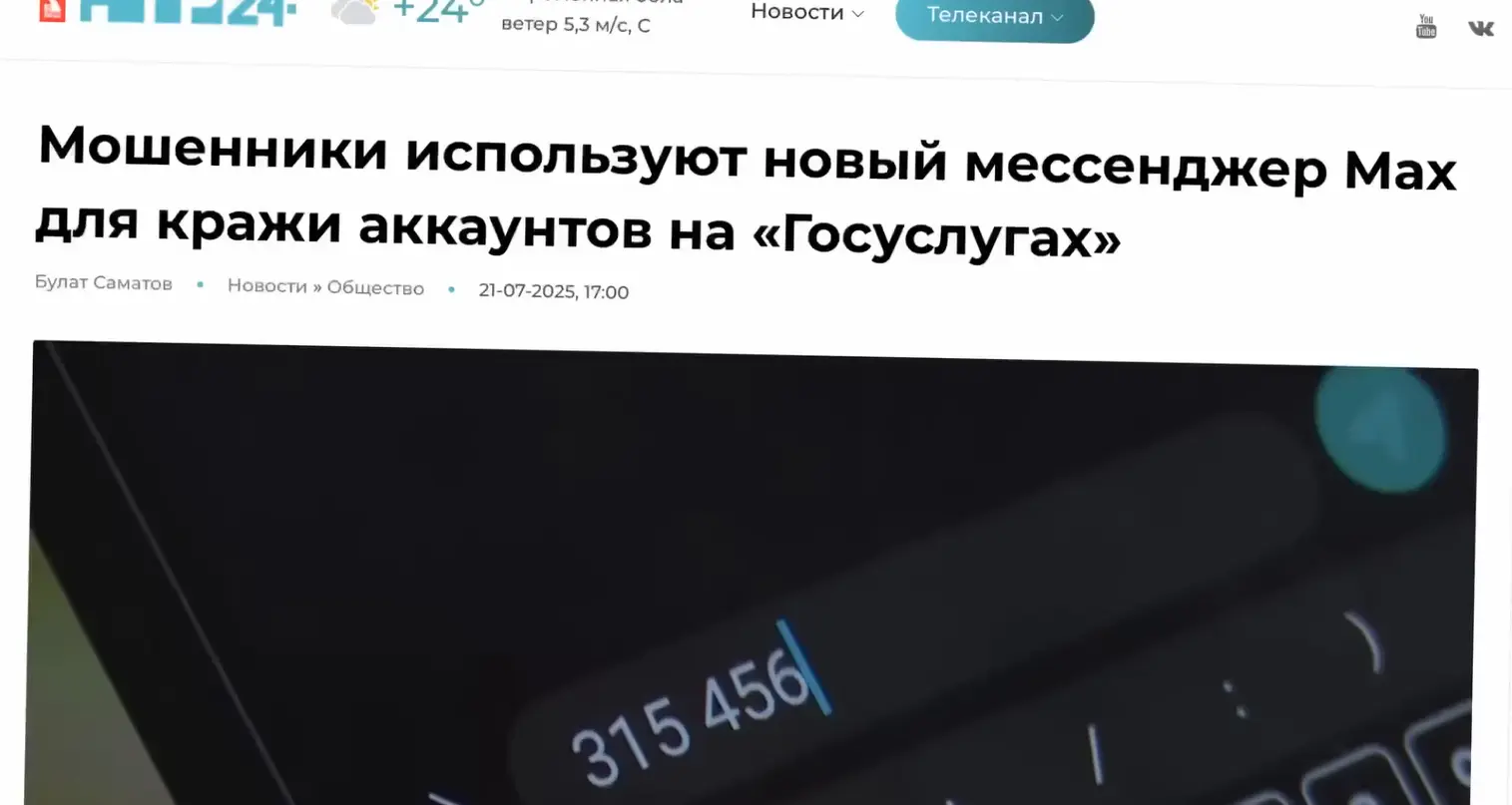
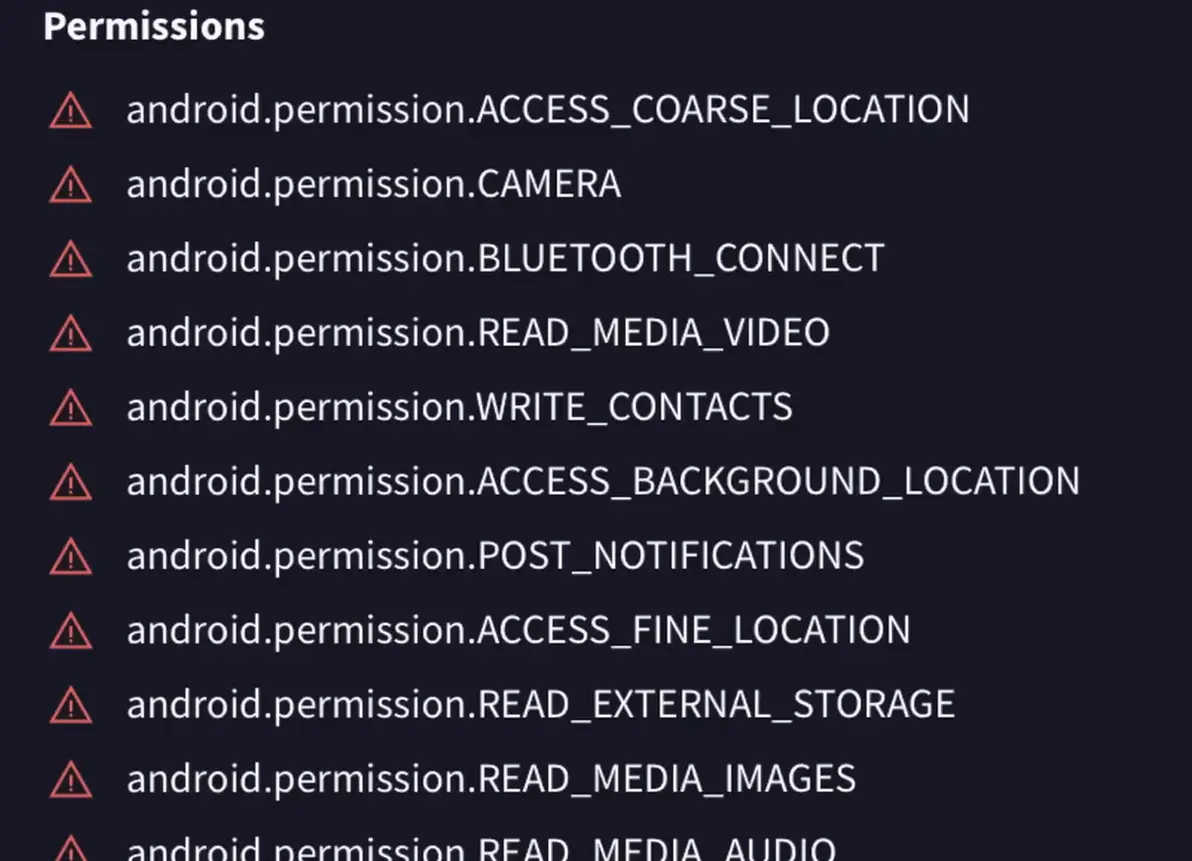
Max messenger is presented as a swift and efficient application for communication, designed to streamline daily activities. However, its substantial file size, which is larger than many comparable messengers, and the broad scope of extensive permissions it requests, have prompted scrutiny. For example, Max seeks permissions typically reserved for highly trusted applications or those with potentially intrusive functionalities, such as access to the microphone and root-level control over a device. These requests lead to questions about user privacy and the overall data security framework of the application.
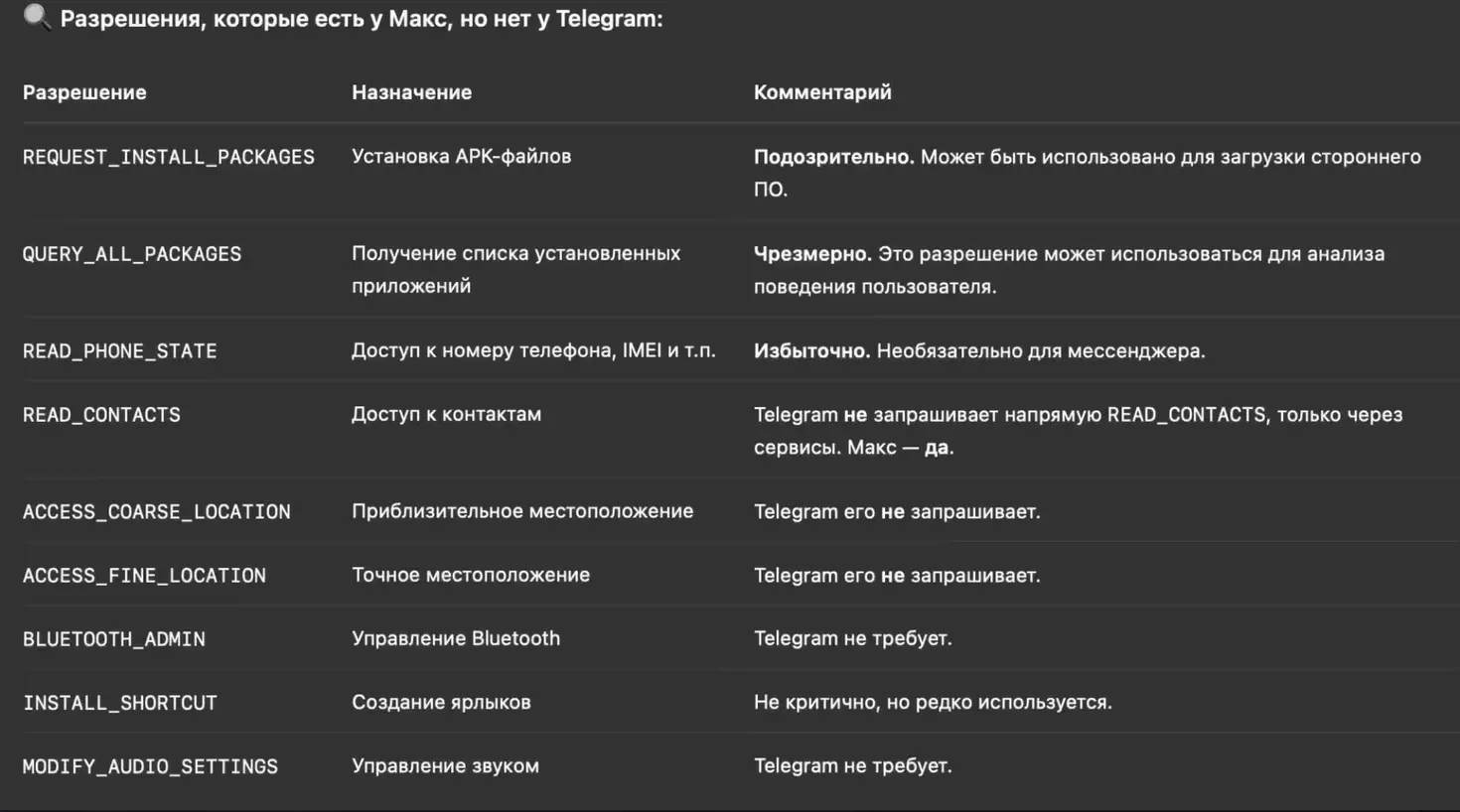
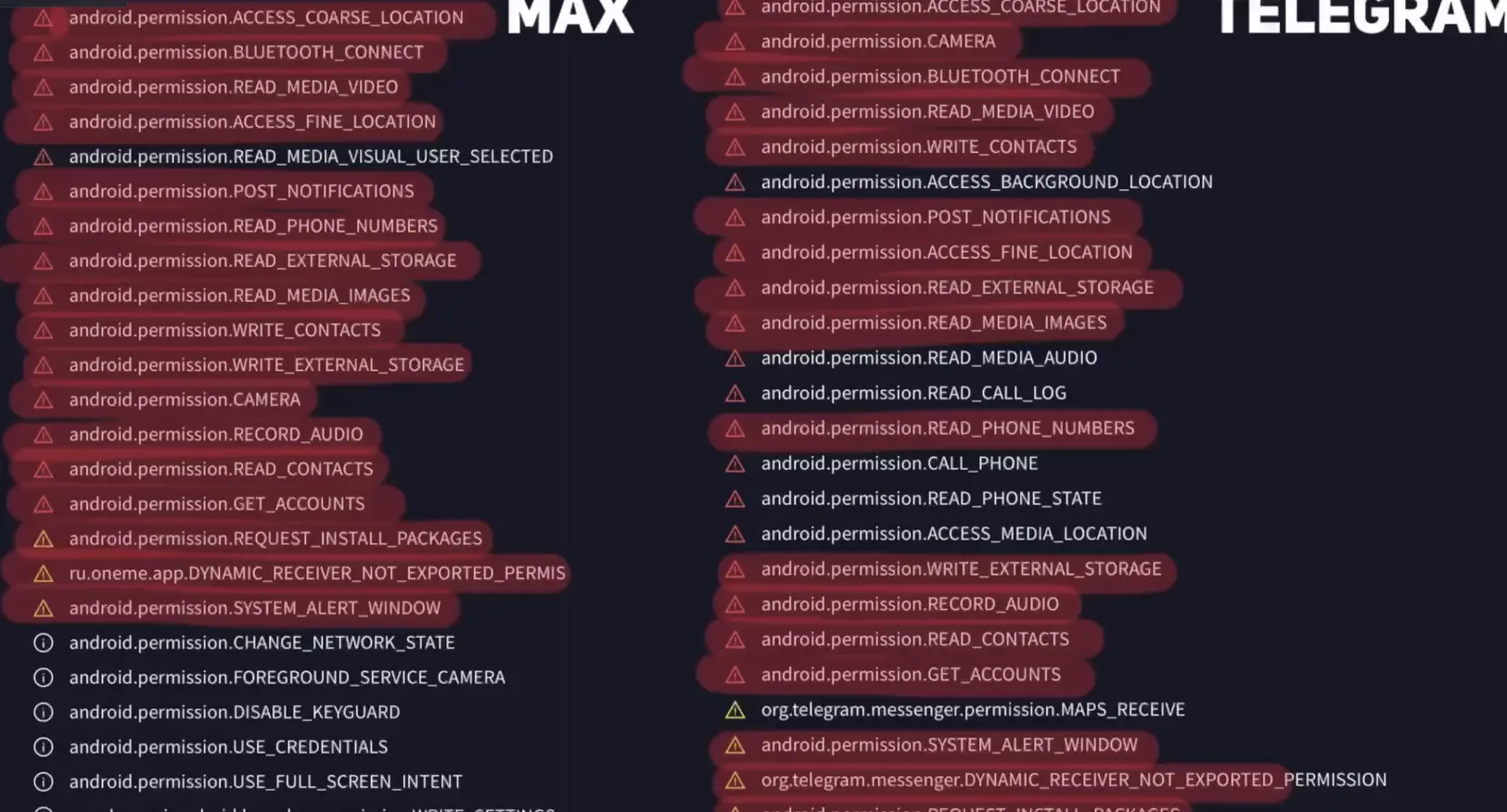
A comparative analysis with established platforms like Telegram reveals notable differences. While Telegram also requires various permissions to operate, it does not directly request access to contacts via `READ_CONTACTS` and avoids seeking both approximate and precise location data. Max, conversely, explicitly requests these permissions. This distinction in permission requirements suggests different approaches to data handling and user information access.
The entity behind Max is "Communication Platform LLC," with Elena Bagudina identified as its general director. This organization oversees several ventures, some of which possess significant capital, yet certain operations have reported substantial financial losses. This intricate corporate structure, coupled with the messenger's reported origin as a re-branded version of TamTam, adds layers of complexity to understanding its operational objectives.
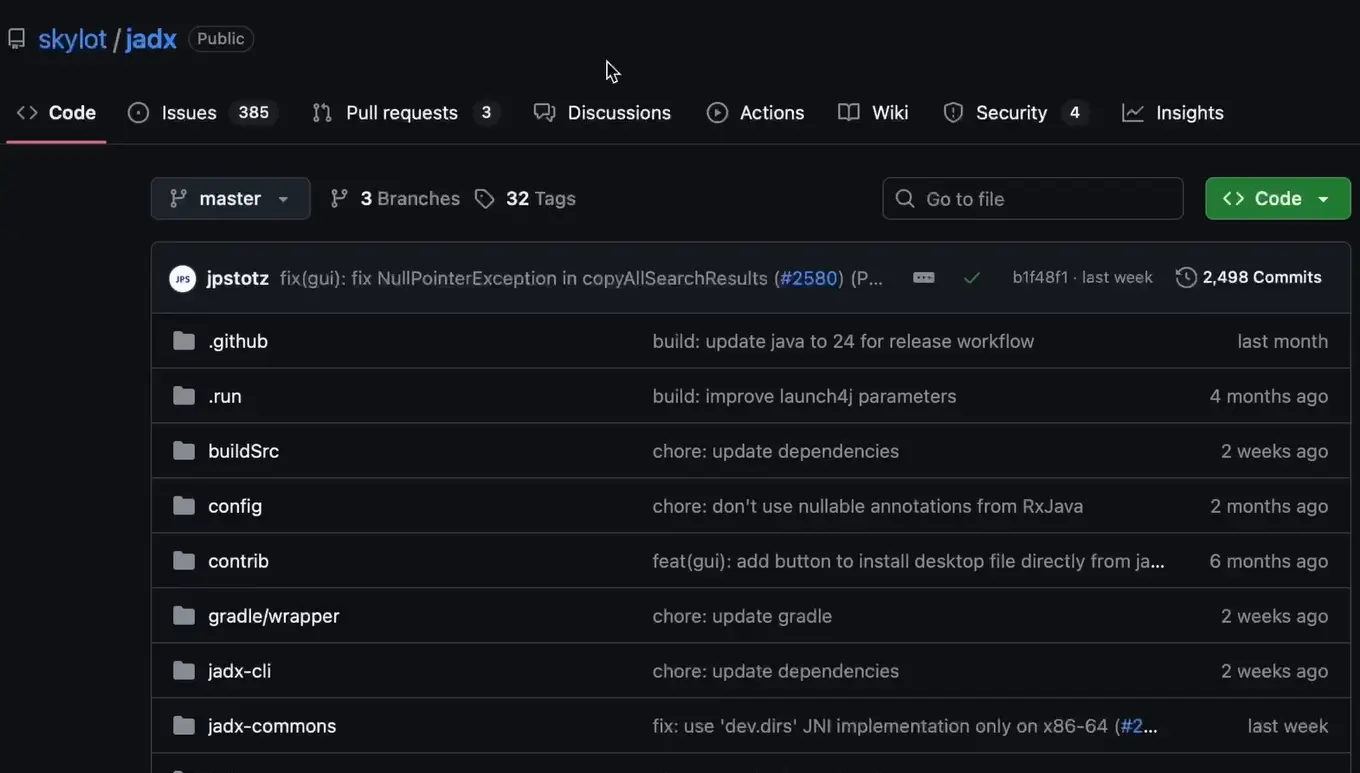
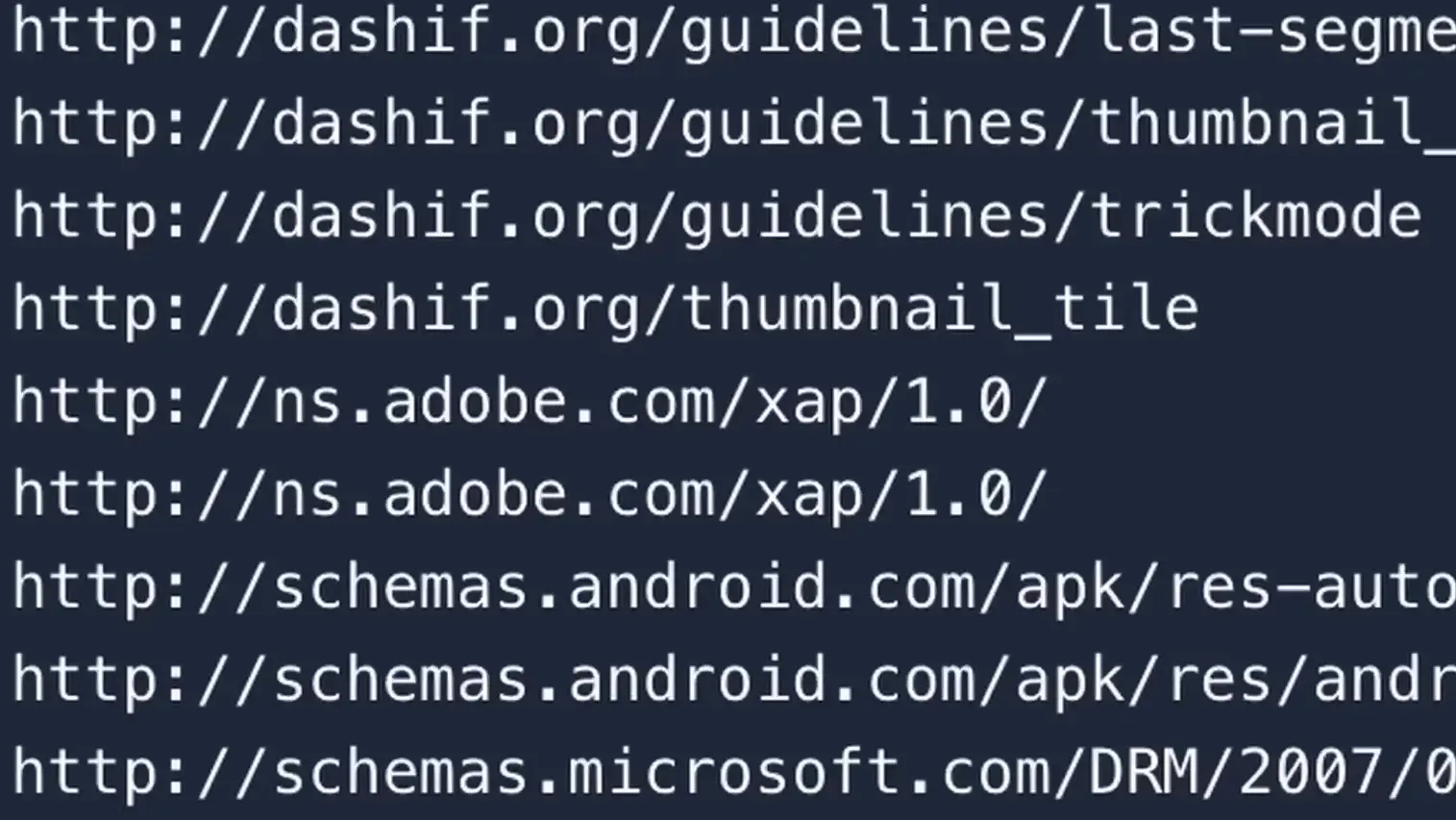
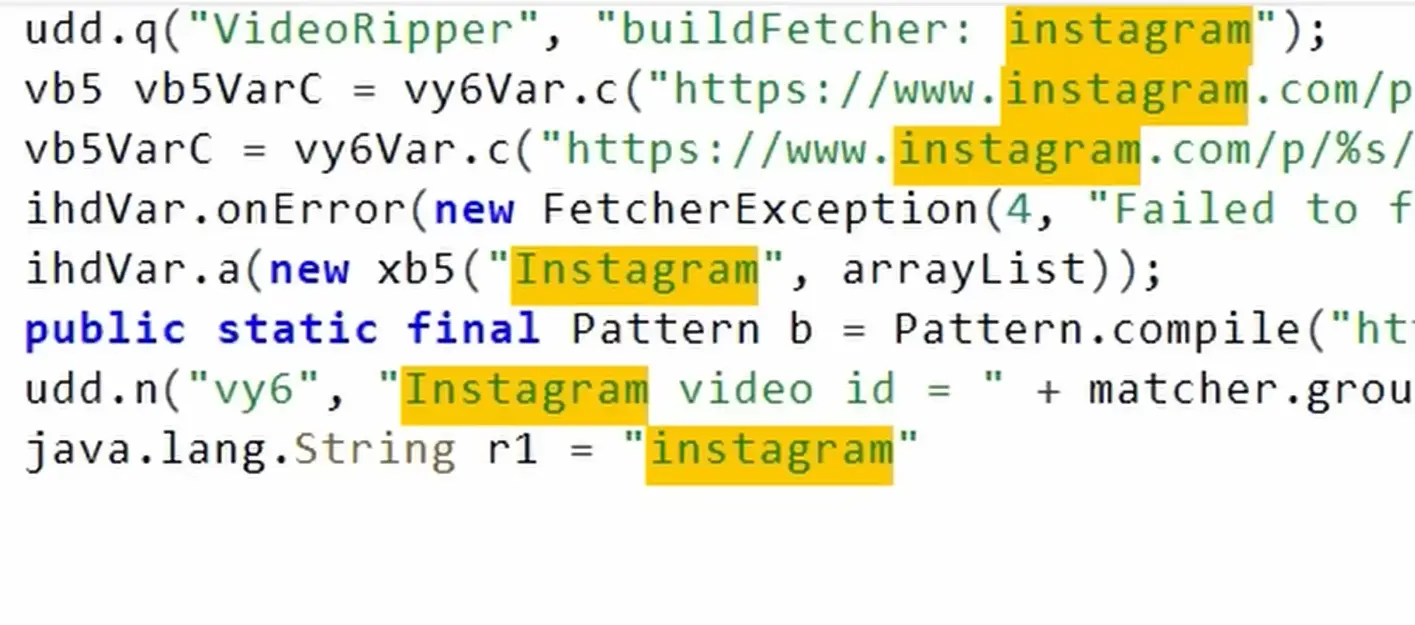
Examination of the application's underlying code uncovers interesting connections. Unlike Telegram's code, which shows no unusual external links, Max's code contains numerous references to Google servers located in the United States. This finding appears to be at odds with the narrative of Max being a purely "national" and secure Russian messenger, raising questions about data storage locations and digital sovereignty. Furthermore, the presence of extremist emojis within Max's files, including symbols and flags that are prohibited in certain jurisdictions, introduces a significant point of discussion.
The user experience with Max has been varied. While some individuals commend the application for its speed and features, a considerable number report frequent crashes, software glitches, and an interface that is not always intuitive. Discrepancies in ratings across various app stores, with higher scores observed on government-supported platforms like RuStore, indicate a potential for manipulated reviews. This situation raises questions about the transparency of user feedback and fair competition within the app market.
Recent legislative changes, which mandate a "national messenger" for signing documents and conducting various official communications, are set to solidify Max's market position. This regulatory shift could compel a large segment of users and businesses to adopt Max, irrespective of their privacy concerns. If Max indeed collects extensive user data, including browsing history, user interactions, and content accessed, it could function as a powerful tool for monitoring and analysis. This level of data collection, explicitly outlined in Max's privacy policy, surpasses the scope of data gathered by many widely used messengers.
Ultimately, individuals must weigh the perceived benefits and functionalities of Max messenger against the potential risks to their personal information. The ongoing discourse underscores the paramount importance of transparency and robust security in all digital communication platforms.


