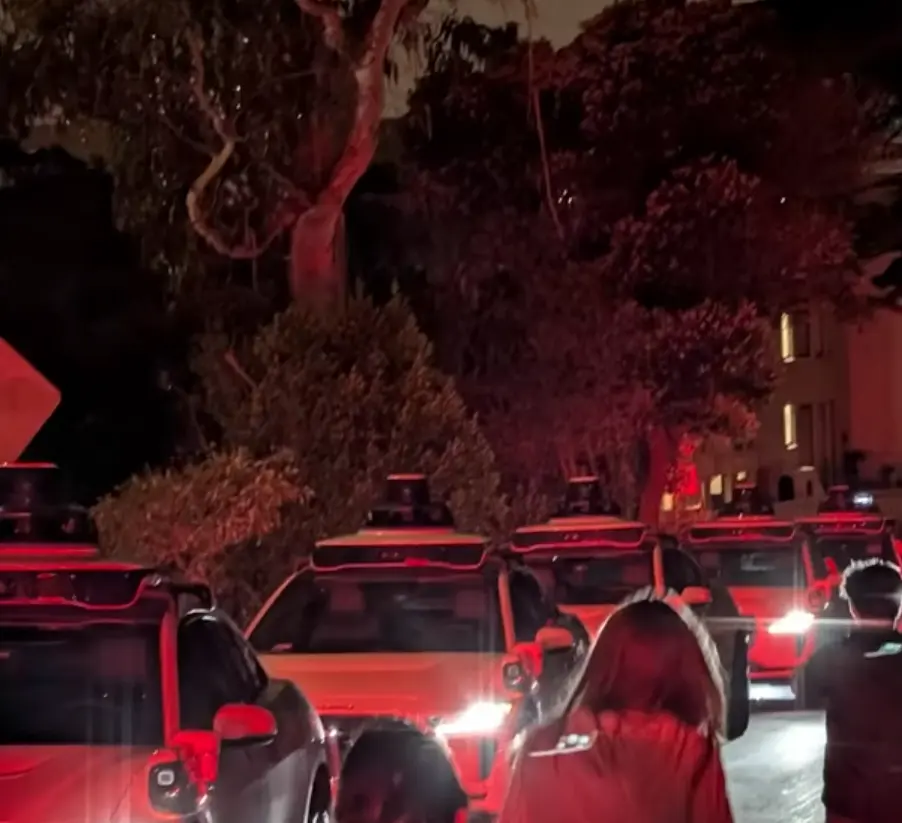
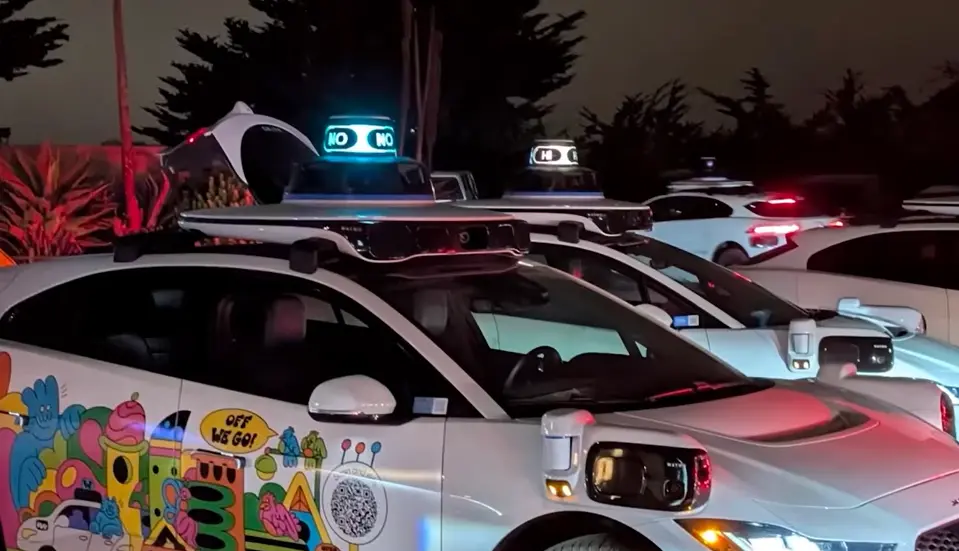
It wasn't a sophisticated cyberattack from a shadowy hacker group that brought a fleet of Waymo's self-driving cars to a standstill. Instead, it was a 23-year-old software engineer and a group of about 50 people who orchestrated what is being called the "world's first Waymo DDoS" attack. This incident, which unfolded on a dead-end street in San Francisco, has peeled back the curtain on the potential vulnerabilities of our increasingly automated world.
The plan was simple yet startlingly effective. At dusk, the participants simultaneously summoned Waymo robotaxis to the city's longest dead-end street. The result was a chaotic pileup of autonomous vehicles, their advanced sensors and algorithms unable to navigate the sudden, orchestrated congestion. For a moment, the cutting-edge of transportation technology was defeated by a well-coordinated prank.
This "distributed denial-of-service" attack, a term typically reserved for overwhelming a website with traffic, was applied to the physical world. While the intent may have been mischievous rather than malicious, it raises serious questions. If a group of tech-savvy individuals can create this level of disruption for fun, what could a more determined group with nefarious motives achieve?
Waymo's response was to temporarily disable its service within a two-block radius of the incident until the following morning. While the company handled the situation relatively well, the event serves as a wake-up call for the entire autonomous vehicle industry. It highlights a blind spot in their complex systems: the unpredictability of human behavior, especially when it's coordinated.
The prankster, Riley Walz, and his accomplices were each charged a $5 no-show fee after the cars waited for about 10 minutes. A small price to pay for exposing a significant chink in the armor of a multi-billion dollar industry. This low-stakes stunt mirrors potential threats from more organized groups, urging the sector to develop preemptive strategies.
While some have condemned the act as reckless, others see it as a valuable, albeit unconventional, stress test of these emerging technologies. It forces us to confront uncomfortable realities about the fragility of innovation. As we race towards a future of self-driving cars and smart cities, we must ask ourselves if the systems we are building are resilient enough to withstand not just technical glitches, but also the full spectrum of human creativity, from playful pranks to coordinated attacks. This incident proves that sometimes the biggest threats aren't in the code, but in the cleverness of people in the real world.


