An Alarming Trend
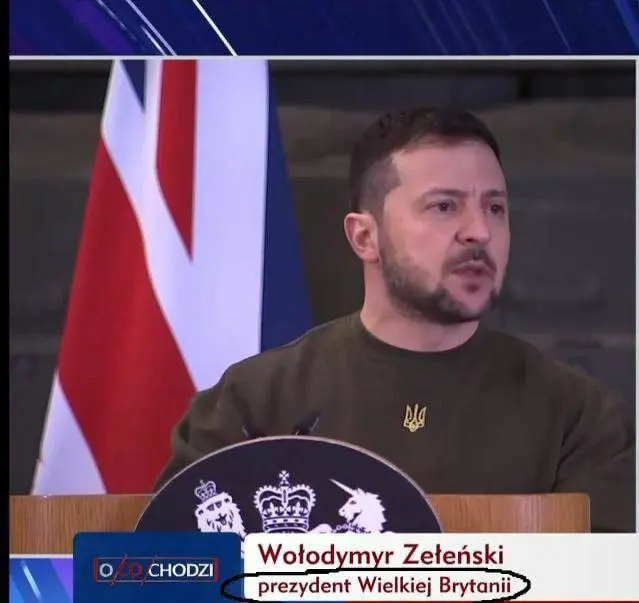
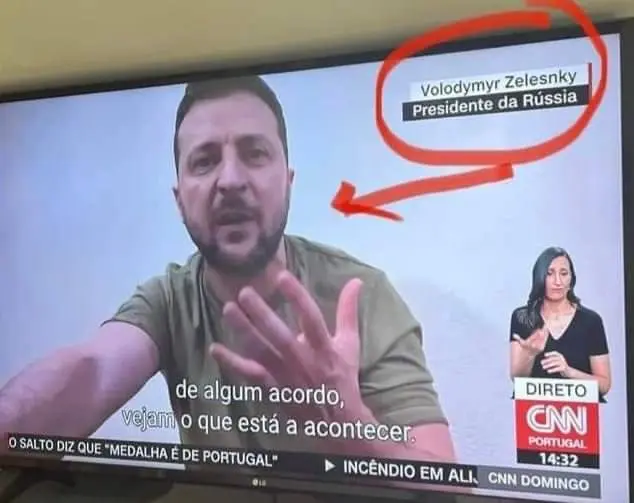
In a series of startling errors, major news channels have fundamentally misidentified Ukrainian President Volodymyr Zelenskyy, raising serious questions about the state of journalism and basic knowledge in modern newsrooms. One Polish news broadcast identified Volodymyr Zelenskyy as the "President of Great Britain," while a Portuguese channel went even further, labeling him the "President of Russia." These are not minor typos; they are glaring mistakes that undermine credibility and expose a deep-seated problem. These incidents go beyond simple embarrassment, highlighting a critical failure in the editorial process and a concerning lack of fundamental awareness about a figure central to current world events.
The Real Damage of Mistakes
These are not just humorous gaffes to be shared on social media; they are significant media blunders that fuel public distrust. In an information landscape already saturated with deliberate misinformation, such errors from supposedly reputable sources are incredibly damaging. Labeling the leader of a nation defending itself against Russian aggression as the "President of Russia" is particularly egregious. It is an error so profound that it borders on disinformation, regardless of intent. It confuses audiences and disrespects the very subject of the report, Volodymyr Zelenskyy. Such mistakes erode the authority of the press, making it harder for the public to distinguish between credible reporting and propaganda. The expectation is that news organizations get the basics right, and this is a fundamental failure.
A Symptom of a Larger Problem
The root of these errors points to a worrying decline in political literacy across the board, even within institutions that are supposed to inform the public. For such a mistake to make it to air, it means multiple people—from the graphics operator to the producer and editor—either did not know who Zelenskyy is or were not paying attention. This points to a systemic breakdown in the fact-checking process within the global media. When newsrooms lack basic geopolitical knowledge, their ability to report accurately on complex issues like international conflicts is severely compromised. These media blunders are not isolated incidents but symptoms of a wider issue where speed often trumps accuracy, and foundational knowledge is alarmingly absent.
Why It Matters for Everyone
This issue extends far beyond one leader or one conflict. It is about the core responsibility of journalism. When the global media fumbles basic identification, it calls into question its ability to report on the nuances of economic policy, legislative changes, or international treaties. A lack of political literacy within newsrooms has a direct impact on the quality of information the public receives. If we cannot trust a news channel to correctly identify a world leader at the center of a major global conflict, how can we trust its analysis of that conflict? This erosion of trust, fueled by carelessness and a lack of knowledge, weakens one of the core pillars of a democratic society. It is a stark reminder that in the fight against misinformation, accuracy is the most potent weapon, and it appears to be one that some newsrooms have misplaced.


