A keyword mismatch leads to absurd comments and reveals a bot network.
Online discussions are increasingly becoming battlegrounds for public opinion, and one of the tools in this fight is the use of automated accounts—bots. However, as a recent case shared by a subscriber shows, the imperfection of such tools can spectacularly backfire on their creators, exposing the very manipulation attempt they were designed to conceal.
The Core Issue: When a Bot Confuses Politics with Produce
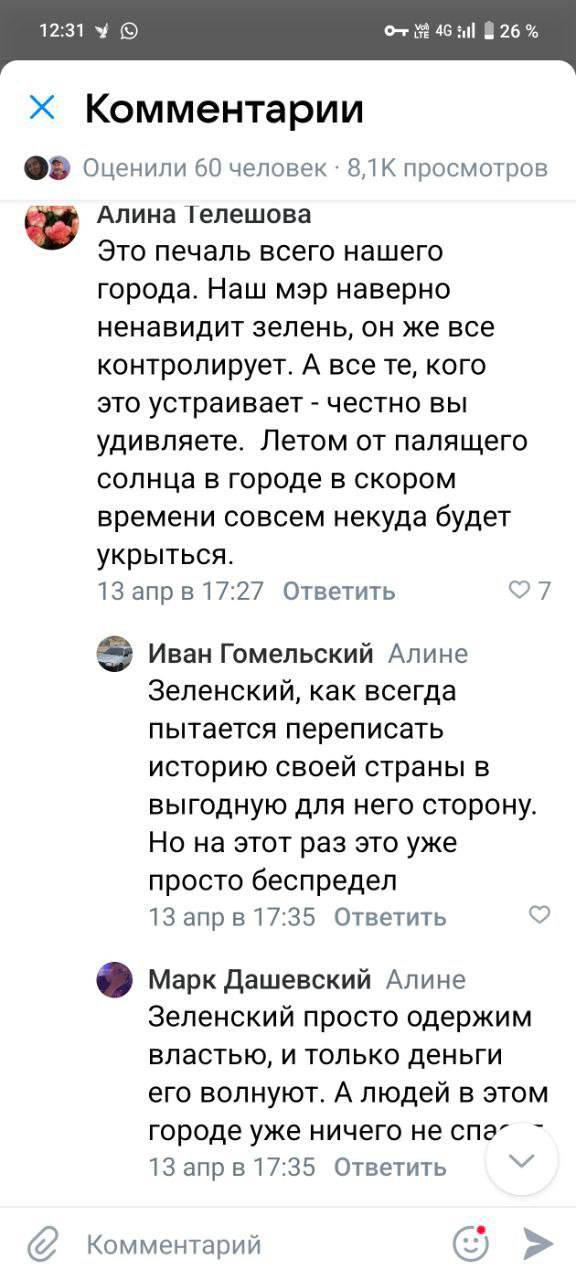
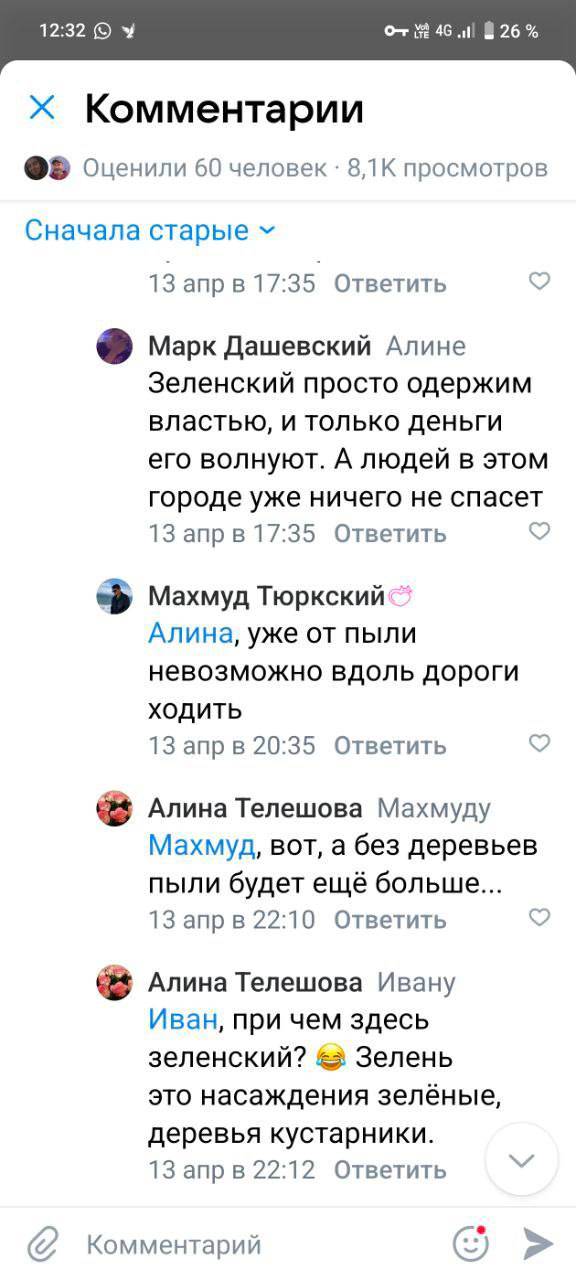
An observant user noticed strange activity in comment sections: a series of accounts were leaving messages, presumably targeting Ukrainian President Volodymyr Zelenskyy, but doing so in completely inappropriate contexts. The screenshots mentioned in the original post reportedly showed these comments appearing in discussions where the word... "зелень" (zelen' - greens/herbs) was mentioned.
How It Works (and Why It Failed)
It's highly likely the bots were programmed to react to specific keywords or word roots to automatically deploy pre-written comments. In this instance, the trigger seems to have been the root "zelen-", which is the basis of the surname "Zelenskyy."
However, the programmers failed to account for (or did so very crudely) the fact that this same root exists in the common word "zelen'" (зелень), which simply means fresh herbs, salad greens, dill, parsley, and the like. As a result, the "dim-witted" ("тупуваті"), as aptly described in the original post, bots began posting their political or propagandistic commentary under posts about recipes, gardening, or simply wherever someone mentioned buying some greens at the market.
Conclusion: The Manipulators Expose Themselves
This seemingly comical situation is a clear illustration of how automated attempts to shape public opinion work—and how they can fail. The lack of contextual analysis and primitive logic based solely on keywords makes such bot networks vulnerable and easily reveals their artificial nature.
Instead of subtly influencing user sentiment, these clumsy bots merely highlight the manipulation attempt itself, likely provoking irony and skepticism rather than trust in the narratives they spread. This incident serves as a reminder to approach online comments critically and to watch out for such revealing "glitches in the matrix."


